
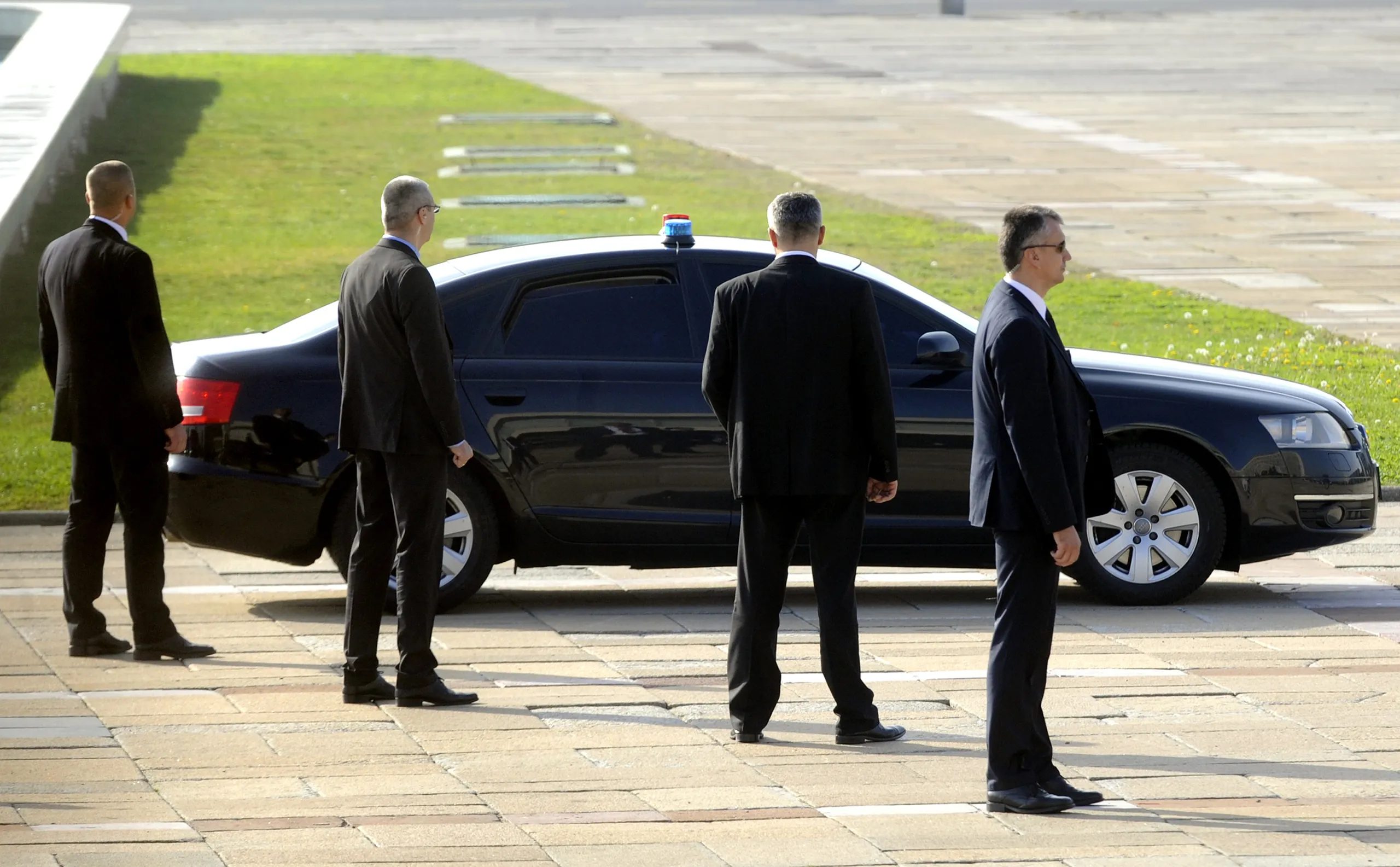
Planning travel to Wellington? Speak with a security consultant.
Wellington presents a low risk profile for visiting executives. New Zealand Police Crime Statistics 2024 record low overall crime rates across the Wellington CBD, with opportunistic vehicle break-ins and property theft as the primary concern rather than violent crime. The Parliament precinct (Beehive) is a consistent focal point for organised protest, and NZ Police incident logs 2024 identify this as requiring standard route assessment for principals with government-facing itineraries. Wellington City Council Emergency Management 2024 records the city’s seismic proximity to the Wellington Fault and its internationally noted wind conditions (Roaring Forties) as environmental variables that require contingency planning. The FCDO advises normal precautions for New Zealand (2026), and the US State Department rates the country at Level 1.
The corporate footprint is concentrated in the CBD (Lambton Quay, The Terrace, Featherston Street), where government agencies, financial institutions, and the principal corporate hotel brands are located. Michael Fowler Centre and Te Papa Museum serve as the primary events venues. Oriental Bay and Mt Victoria provide the preferred HNWI residential zone. Wellington International Airport (WLG) is 8km from the CBD, with reliable 15-20 minute transfer times outside peak hours; principals should monitor aircraft schedules in advance as Wellington’s wind conditions periodically affect flight timing.
Our executive protection services in Wellington cover the CBD, the Beehive government precinct, and Michael Fowler Centre. Vetted security drivers in Wellington provide airport transfers from WLG and corporate corridor cover. For regional context, see our briefings for Auckland and Sydney.
What are the main security threats in Wellington?
Opportunistic property crime
New Zealand Police Crime Statistics 2024: Wellington records low overall crime rates; opportunistic vehicle break-ins and property theft are the primary concern, particularly in the CBD and Courtenay Place precinct.
Protest and civil disruption near Parliament
NZ Police incident logs 2024: Wellington's Parliament precinct (Beehive) is a regular focal point for organised protest; the 2022 Freedom Village encampment is the reference precedent for large-scale disruption; route assessment for principals visiting government agencies is standard practice.
Weather conditions (seismic and wind)
Wellington City Council Emergency Management 2024: Wellington is an active seismic zone proximate to the Wellington Fault and is internationally noted for extreme wind conditions (the Roaring Forties); emergency planning incorporates seismic and wind-related contingencies.
Vetted operators with direct experience in Wellington
What security services are available in Wellington?
Executive Protection
Close protection for principals attending corporate meetings in the CBD, Beehive government precinct, Te Papa Museum events, and Michael Fowler Centre, with Parliament-precinct route assessment as standard.
Security Drivers
Vetted drivers covering Wellington International Airport (WLG, 8km from the CBD) and hotel transfers across the Lambton Quay and Oriental Bay corridors, with wind-aware flight schedule monitoring.
Residential Security
Static and mobile residential security for Mt Victoria and Oriental Bay executive residences and InterContinental Wellington suites, including security surveys for visiting principal accommodation.
Event Security
Close protection and venue security for corporate events at Michael Fowler Centre, Te Papa events, and Westpac Stadium, with connections to Auckland for national events.
What are the rules for private security in Wellington?
Key regulatory requirements for operating security services in Wellington.
Firearms Policy
Under section 20 of the Arms Act 1983, possessing a firearm without a firearms licence is an offence. New Zealand's firearms regulator states that keeping a loaded weapon cannot be justified by a claim of self-defence relating to a generalised fear, and that using a firearm against a person would rarely be lawful. Visitors staying less than 1 year need a visitor licence or must use firearms only under the direct supervision of a licence holder.
Licensing
The Private Security Personnel Licensing Authority (PSPLA), administered by the Ministry of Justice, issues licences and certificates of approval under the Private Security Personnel and Private Investigators Act 2010. Guarding a specific person is personal guard work (section 17). A business or sole trader doing it needs a licence (section 23), and each employee needs a certificate of approval (section 44). Personal guards must complete set NZQA unit standards, and a temporary certificate lets a new applicant work for 3 months while training. The PSPLA keeps a public register of licence and certificate holders.
Foreign Operators
Holders of an Australian security licence can apply to do the same work in New Zealand under trans-Tasman mutual recognition, as an individual or employee but not as a company. People trained overseas are told to ask NZQA whether their qualification is accepted. A licence from any other country does not by itself authorise personal guard work in New Zealand.
Sources, checked : Private Security Personnel and Private Investigators Act 2010, version as at 26 May 2026, sections 17, 23, 44 and 87 (legislation.govt.nz); Ministry of Justice, Private Security Personnel Licensing Authority; Ministry of Justice, PSPLA training and skills; Ministry of Justice, PSPLA: Australian registration in New Zealand; Arms Act 1983, section 20 (NZLII text); New Zealand firearms regulator, you apply for a firearms licence.
Which areas of Wellington carry elevated risk?
Lower-Risk Areas
- Wellington CBD (Lambton Quay, The Terrace, Featherston Street): primary corporate and government zone, consistent with lower NZ Police 2024 crime rates.
- Te Aro (Courtenay Place area, daytime): hospitality and cultural precinct, well-policed during business hours.
- Oriental Bay and Mt Victoria: upscale residential with low ambient crime, preferred for HNWI executive accommodation.
Elevated-Risk Areas
- Courtenay Place after midnight on weekends: NZ Police 2024 records elevated alcohol-related incidents after midnight; principal movements benefit from close protection cover at these times.
- Newtown and some Hutt Valley routes: lower police density and higher opportunistic crime than central Wellington per NZ Police 2024.
Deploying to Wellington? Get a vetted close protection detail.
Request ConsultationWho do you call in an emergency in Wellington?
Emergency services
111
Wellington Hospital
04-385-5999
Bowen Hospital
04-976-0060
Wellington Free Ambulance (non-emergency)
04-472-2222
What travel advisories apply to Wellington?
- FCDO advises normal precautions for New Zealand (2026); FCDO notes seismic risk and advises checking NZ government emergency management guidance before and during travel.
- US State Department Level 1 (Exercise Normal Precautions) for New Zealand as of 2026.
- Wellington International Airport is approximately 8km from the Wellington CBD; allow 15-20 min outside peak hours and 25-35 min during morning and evening peak. Wellington's wind conditions occasionally affect aircraft scheduling and transfer planning.
- Wellington Hospital (04-385-5999) is the principal public hospital for the region. Bowen Hospital (04-976-0060) is the principal private hospital, preferred for international executive patient services.
Frequently Asked Questions
Is Wellington safe for executive and corporate travellers?
What close protection licensing applies in New Zealand?
What are the main security zones for executives in Wellington?
What medical facilities serve international executives in Wellington?
This page is published by CloseProtectionHire.com and written to editorial standards overseen by James Calloway, Senior Security Consultant (regulation, licensing, vetting and risk frameworks) and Marcus Webb, Security Operations Adviser (operational close protection, secure transport and city-specific safety).
Threat, regulatory and emergency information is sourced to named, dated authorities such as the FCDO, the US State Department and national licensing bodies. Last updated . See how we verify.