Mexico · Close Protection & Executive Security
Close Protection in Mexico City
Close protection and executive security in Mexico City. Express-kidnap planning, armoured transport and licensed operators for corporate visitors to CDMX.
Planning travel to Mexico City? Speak with a security consultant.
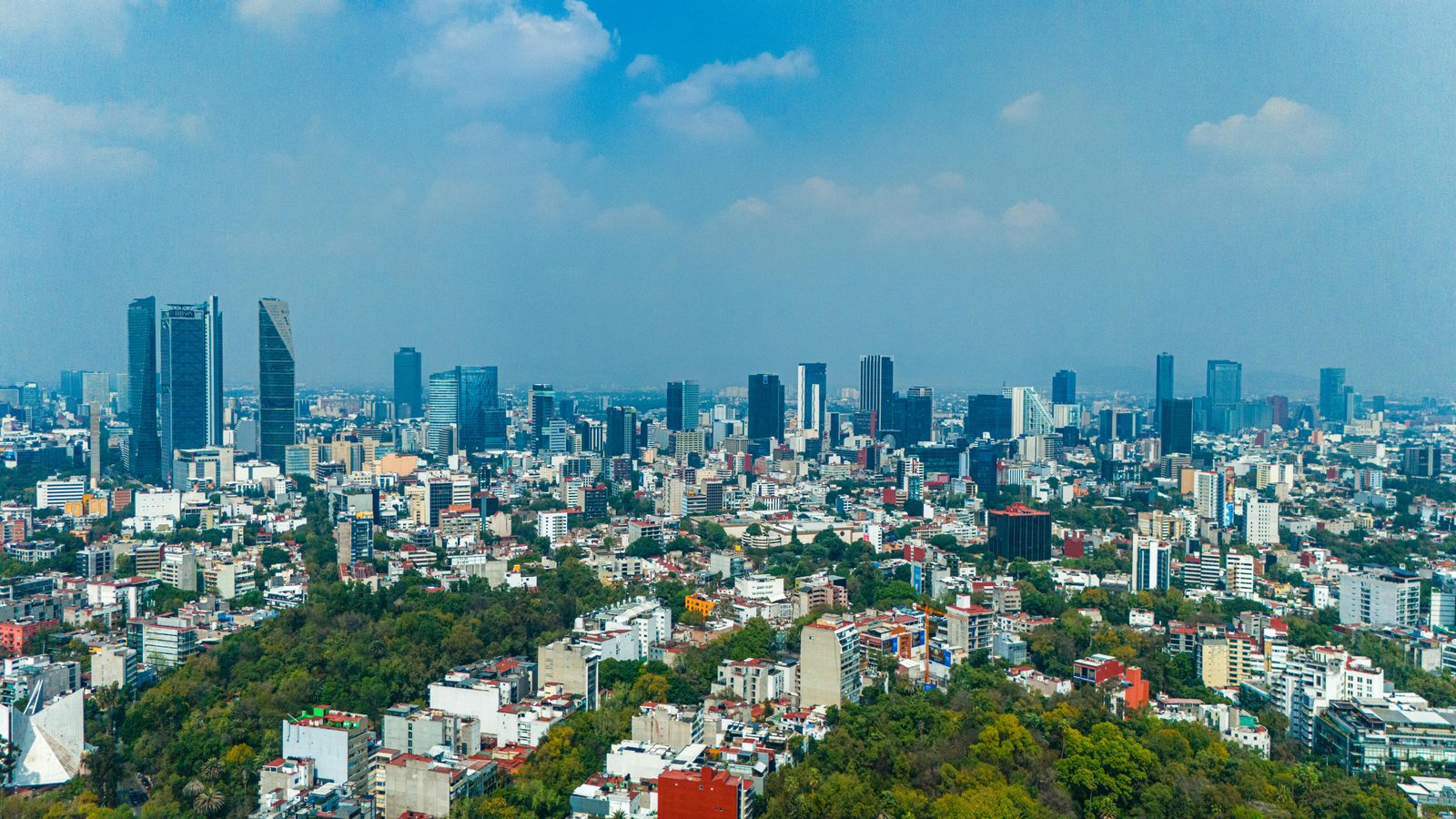
Mexico City is Latin America’s largest metropolis and a major hub for international business. The security environment is complex, with neighbourhood-level risk variations that are more extreme than most corporate travellers expect. A district with international hotels and corporate offices can sit a short distance from areas that no corporate itinerary should touch, and the boundary is not always obvious from a map.
The crime environment
Express kidnapping is the headline threat for corporate security planning in Mexico City. The typical scenario involves victims being taken from unofficial taxis or compromised ride-hailing vehicles, driven to multiple ATMs, and released after a few hours. Foreign nationals and visibly wealthy individuals are targeted disproportionately. The single most effective countermeasure is transport discipline: using only pre-arranged or verified vehicles, never street-hailed taxis.
Carjacking and armed robbery are common across the city. The risk varies substantially by neighbourhood, time of day, and the visibility of the target. Business districts such as Polanco and Santa Fe maintain a higher security presence, but incidents still occur, particularly at traffic signals and in slow-moving traffic. The FCDO advises that resisting a robbery increases the risk of harm, and compliance is the standard response.
Neighbourhood risk geography
Mexico City’s defining planning challenge is the abruptness of its risk transitions. Polanco, Lomas de Chapultepec, and Santa Fe are the principal lower-risk corporate zones. Districts such as Tepito and Doctores carry high crime and have no legitimate corporate purpose. Between these extremes, character can change block by block, and a route that looks direct on a map may pass through areas that should be avoided.
Local operational knowledge is therefore not a luxury in Mexico City; it is the core of safe movement. Vetted operators who know the current risk geography, including how it shifts after dark, are the appropriate guide to routing and venue selection.
Counter-kidnap planning
Express kidnapping is a plannable threat. It relies on opportunity (unofficial transport, predictable ATM use) and on targeting cues (visible wealth, predictable routines). Disrupting these is the basis of effective protection: pre-arranged vetted transport, disciplined ATM use limited to secure locations, low-visibility presentation, and varied departure times, routes, and venues. Our operators are trained in surveillance detection, anti-kidnap vehicle protocols, and route variation, and armoured vehicles add a further layer for elevated-risk principals.
Our operations in Mexico City
Our operators hold valid federal and CDMX security registration and are native Spanish speakers with direct experience in Mexico City’s operating environment. Assignments for elevated-risk principals use armoured vehicles with drivers trained in evasive and anti-kidnap techniques. We maintain real-time intelligence feeds covering protest activity, road closures, and criminal-incident patterns.
Our Mexico City risk assessment provides current threat scoring and zone-by-zone guidance. For the regulatory framework, see our guide to private security regulations in Mexico. Operator options are covered in our Mexico City bodyguard hire service.
Source: FCDO Mexico travel advisory (April 2026). OSAC Mexico City Country Security Report 2025. SEDENA private security firearm permits. CDMX private security registration requirements. US State Department Mexico advisory (2026).
Threat Profile
Express Kidnapping
Secuestro express remains a significant threat. Victims are typically taken from unofficial taxis or compromised ride-hailing vehicles and forced to withdraw cash from a series of ATMs before release. Foreign nationals and visibly wealthy individuals are targeted disproportionately.
Armed Robbery
Street robbery is common, particularly in tourist areas, on public transport, and at traffic signals. Armed incidents occur in both daytime and at night. The FCDO advises that resistance increases the risk of harm; compliance is the standard response.
Carjacking
Vehicle theft at gunpoint occurs throughout the metropolitan area, with hotspots on major thoroughfares and at traffic signals. This is a primary reason armoured transport is the standard for elevated-risk corporate travel.
Organised Crime
Cartel activity occasionally spills into Mexico City, though the city experiences lower levels of organised violence than several other Mexican cities. Extortion and related crime affect some commercial activity.
Seismic Risk
Mexico City sits in an active seismic zone. The 1985 and 2017 earthquakes caused major damage and loss of life. Knowing building evacuation protocols is a standard preparedness measure.
Vetted operators with direct experience in Mexico City
Available Services in Mexico City
Close Protection
Licensed close protection officers with CDMX operational experience and native Spanish-language capability.
Executive Protection
Full executive details with armoured vehicles, advance work, and counter-kidnap protocols.
Security Drivers
Anti-kidnap trained drivers with armoured vehicles and real-time route intelligence across the metro area.
Event Security
Venue security and VIP protection for corporate events and private functions in Mexico City.
Security Regulations
Key regulatory requirements for operating security services in Mexico City.
Firearms Policy
Mexico strictly controls firearms. Armed security is available only through federally registered companies holding specific permits from SEDENA (the Secretariat of National Defence).
Licensing
Private security companies must be registered with the federal government and with the CDMX local authority. Operators require documented training and certification.
Foreign Operators
Foreign nationals cannot carry firearms in Mexico under any circumstances. All armed security must be provided by Mexican-licensed operators. Our operators hold current federal and CDMX registration.
Zone Intelligence
Lower-Risk Areas
- Polanco: Primary upmarket business and hotel district. International hotels, corporate offices, higher security presence and infrastructure.
- Lomas de Chapultepec: Established affluent residential and diplomatic area with private security presence.
- Santa Fe: Modern corporate district with office towers and purpose-built security infrastructure, though access roads require route planning.
Elevated-Risk Areas
- Tepito and Doctores: High-crime districts with no legitimate corporate requirement to access.
- Public transport and Centro Historico after dark: Elevated robbery and pickpocketing risk.
- Traffic signals on major thoroughfares: Carjacking and phone-snatching risk, particularly after dark and in slow-moving traffic.
Deploying to Mexico City? Get a vetted close protection detail.
Request ConsultationEmergency Contacts
Emergency (all services)
911
Tourist Police (SECTUR)
55 5250 8221
Locatel (city assistance)
55 5658 1111
Important Warnings
- Never use street-hailed taxis. Use only pre-arranged transport or a verified ride-hailing account. Unofficial taxis are a primary express-kidnapping vector.
- Avoid displaying expensive watches, jewellery, or electronics. Phone snatching is widespread, and visible wealth informs targeting decisions.
- Limit ATM use to bank premises during business hours. ATM approaches are a primary express-kidnapping trigger point.
- Some neighbourhoods change character abruptly, including after dark. Evening movements and any travel outside the established business districts require a security assessment.
- Vary departure times, routes, and venue selection. Predictable routines are the primary enabler of targeted criminal activity in Mexico City.
Frequently Asked Questions
Request a Consultation
Describe your security requirements below. All enquiries are confidential and handled by licensed consultants.
Your enquiry has been received. A security consultant will contact you within 24 hours to discuss your requirements.