
Planning travel to Las Palmas de Gran Canaria? Speak with a security consultant.
Las Palmas de Gran Canaria is the capital of Gran Canaria and Spain’s eighth largest city, a major Atlantic cruise port and a growing commercial and fintech hub. Its mild climate draws corporate travellers, second-home owners and high-net-worth visitors throughout the year, particularly during the European winter. The city ranks as a low-risk destination, but professional protection still has a clear role: managing crowded environments, planning secure movement and giving visiting principals local knowledge they would otherwise lack.
The principal day-to-day concern is opportunistic street crime. The FCDO Spain travel advice (2024) records pickpocketing, bag-snatching and distraction theft in busy tourist areas, and in Las Palmas these cluster around Las Canteras beach, the Mesa y Lopez shopping district and the cruise terminal on arrival days. None of this is violent in character, but for visitors carrying valuables, documents or devices, a single lapse can be costly. A protection team trained in surveillance awareness keeps a principal’s attention free while watching the surrounding environment.
Beyond petty crime, the risk picture is mild. Spain experiences periodic demonstrations over national and Canarian issues, including tourism pressure and housing, and the FCDO (2024) advises avoiding such gatherings even though they are usually peaceful. They can briefly disrupt movement around the Triana and Vegueta districts. The island’s interior also presents genuine driving challenges: Spanish road authority DGT guidance (2024) highlights elevated risk on winding mountain routes, which matters for transfers to inland estates and viewpoints. Experienced security drivers in Las Palmas plan these journeys to keep transfers smooth and predictable.
Spain’s regulatory framework is mature and strictly enforced. The Ley de Seguridad Privada 5/2014 governs the entire sector, requiring companies to be authorised and registered, and individual officers to hold a tarjeta de identidad profesional (TIP) issued by the Dirección General de la Policía. Armed private security is heavily restricted, so the overwhelming majority of close protection work in Las Palmas is unarmed, focused instead on planning, discretion and secure logistics. Security staff must be EU or EEA nationals, or nationals of a third country whose agreement with Spain allows it. Firms from outside the EU typically work through an authorised Spanish company.
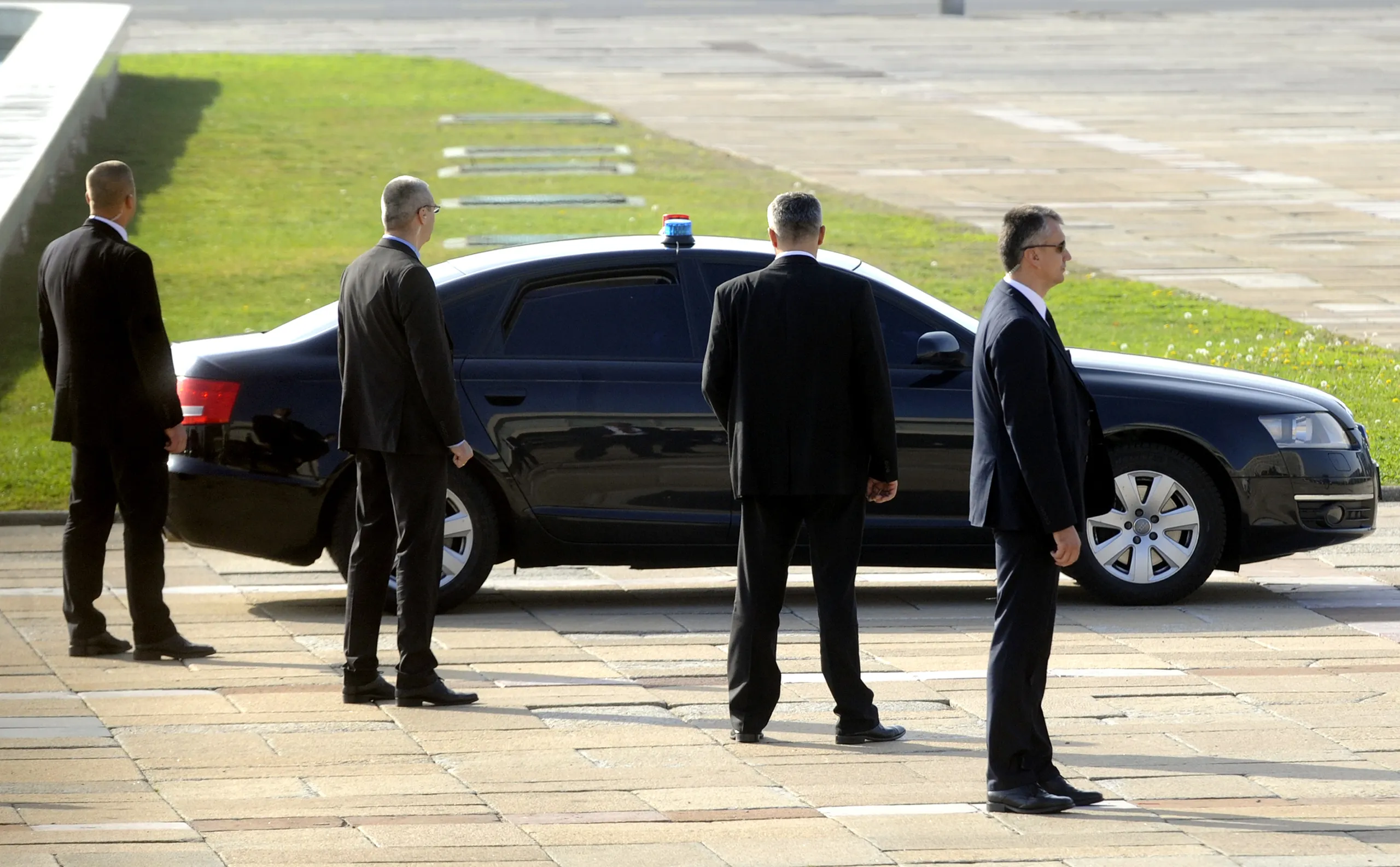
For visiting executives and families, the practical value of a local team lies in detail. Vetted drivers know the difference between the quick coastal route and the slower interior roads. Protection officers understand which districts, such as Ciudad Jardin and Santa Catalina, offer settled infrastructure and a steady police presence, and where dense crowds at the seafront or cruise terminal raise the chance of theft. Whether the requirement is venue cover at the Hotel Santa Catalina, residence security at a private villa, or bodyguard hire in Las Palmas for a short corporate visit, the aim is the same: reduce risk through preparation rather than visible force.
Las Palmas rewards a measured, low-profile approach. The city is welcoming and well-run, and most visits pass without incident. A trained protection presence is best understood as quiet insurance: a way to remove the small frictions of an unfamiliar place, manage the few genuine hazards the island presents, and let a principal focus on the reason they came.
What are the main security threats in Las Palmas de Gran Canaria?
Petty Theft and Pickpocketing
The FCDO Spain travel advice (2024) notes that street crime, including pickpocketing and bag-snatching, affects busy tourist areas. In Las Palmas this concentrates around Las Canteras beach, the Mesa y Lopez shopping district and the cruise terminal on busy arrival days.
Crime of Distraction
The FCDO (2024) records distraction techniques used against visitors, where one person engages a target while a second removes valuables. These methods appear around cafes, terraces and pedestrian shopping zones in the city centre.
Civil Demonstrations
Spain experiences periodic public protests over national and Canarian issues, including tourism pressure and housing. The FCDO Spain advice (2024) advises avoiding demonstrations, which are generally peaceful but can disrupt movement around the Triana and Vegueta districts.
Mountain Road Safety
Gran Canaria's interior routes are winding and narrow, with limited barriers in places. Spanish road authority DGT guidance (2024) highlights elevated risk on mountain roads, which is relevant for executive transfers to interior estates and viewpoints.
Vetted operators with direct experience in Las Palmas de Gran Canaria
What security services are available in Las Palmas de Gran Canaria?
Executive Close Protection
Discreet personal protection for corporate visitors, HNWI and family members at hotels, events and during movement around the city.
Secure Transport and Security Driving
Vetted security drivers familiar with Gran Canaria's road network, including coastal and interior routes to private residences.
Residence and Estate Security
Static and mobile protection for villas and private estates, including access control and overnight cover.
Event and Conference Security
Protective cover for delegates at INFECAR exhibitions, hotel conferences and private functions.
What are the rules for private security in Las Palmas de Gran Canaria?
Key regulatory requirements for operating security services in Las Palmas de Gran Canaria.
Firearms Policy
Weapons are governed by the Reglamento de Armas (Real Decreto 137/1993), and under Ley 5/2014 the Guardia Civil exercises the State's powers over weapons. Private security staff may carry a firearm only while on duty. When a personal protection service is authorised, the decision states whether it is provided by one or more escoltas privados and whether they carry weapons.
Licensing
Private security is governed by Ley 5/2014, de 4 de abril, de Seguridad Privada, and the Reglamento de Seguridad Privada (Real Decreto 2364/1994). The Ministerio del Interior authorises and supervises security companies through the Dirección General de la Policía, which also issues the habilitación and tarjeta de identidad profesional (TIP) of security staff. Escolta privado is a separate profession under the law. Personal protection may be provided only by escoltas privados employed by a security company, and each service needs prior authorisation from the Dirección General de la Policía or, where it holds the power, the regional government.
Foreign Operators
Ley 5/2014 requires security companies to hold the nationality of an EU or EEA state, and a company authorised in another EU state must register in Spain's Registro Nacional de Seguridad Privada. Security staff must be EU or EEA nationals, or nationals of a third country whose agreement with Spain allows it, and EU and EEA nationals must show training and aptitudes equivalent to those required in Spain. A team from outside the EU should work through an authorised Spanish security company.
Sources, checked : BOE, Ley 5/2014, de 4 de abril, de Seguridad Privada (consolidated text); Ley 5/2014, articles 40 and 43, text (Papelea); Ley 5/2014, articles 26 to 28, text (Papelea); Ministerio del Interior, protección de personas; Policía Nacional, autorización de servicios de protección personal; Ministerio del Interior, armas y explosivos, normativa básica reguladora.
Which areas of Las Palmas de Gran Canaria carry elevated risk?
Lower-Risk Areas
- Ciudad Jardin and Santa Catalina: established hotel and residential districts with a regular police presence and good infrastructure.
- Vegueta old town: historic, well-patrolled district popular for cultural visits during daytime hours.
Elevated-Risk Areas
- Las Canteras seafront at peak times: high footfall raises the risk of pickpocketing and distraction theft.
- Port and cruise terminal on arrival days: dense crowds create opportunities for opportunistic theft.
Deploying to Las Palmas de Gran Canaria? Get a vetted close protection detail.
Request ConsultationWho do you call in an emergency in Las Palmas de Gran Canaria?
Emergency Services
112
Police (Policia Nacional)
091
Ambulance
061
Spanish Guardia Civil
062
British Consulate Gran Canaria
+34 928 262 508
US Embassy Madrid
+34 91 587 2200
Hospital Universitario de Gran Canaria Doctor Negrin, switchboard
+34 928 450 000
Hospital Doctor Negrin urgencias information desk (open 24 hours)
+34 928 449 386
What travel advisories apply to Las Palmas de Gran Canaria?
- The FCDO Spain travel advice (2024) advises vigilance against street theft in tourist areas; keep documents and valuables secured and use hotel safes.
- The FCDO (2024) advises avoiding all demonstrations and large gatherings, which can occur with little notice in central districts.
- Spanish DGT guidance (2024) warns of demanding mountain roads on Gran Canaria; allow experienced drivers and extra time for interior transfers.
Frequently Asked Questions
Is Las Palmas de Gran Canaria safe for executive and HNWI visitors?
Do close protection officers in Las Palmas carry firearms?
Can a foreign security company operate in Las Palmas?
What security support is available for INFECAR events?
This page is published by CloseProtectionHire.com and written to editorial standards overseen by James Calloway, Senior Security Consultant (regulation, licensing, vetting and risk frameworks) and Marcus Webb, Security Operations Adviser (operational close protection, secure transport and city-specific safety).
Threat, regulatory and emergency information is sourced to named, dated authorities such as the FCDO, the US State Department and national licensing bodies. Last updated . See how we verify.