
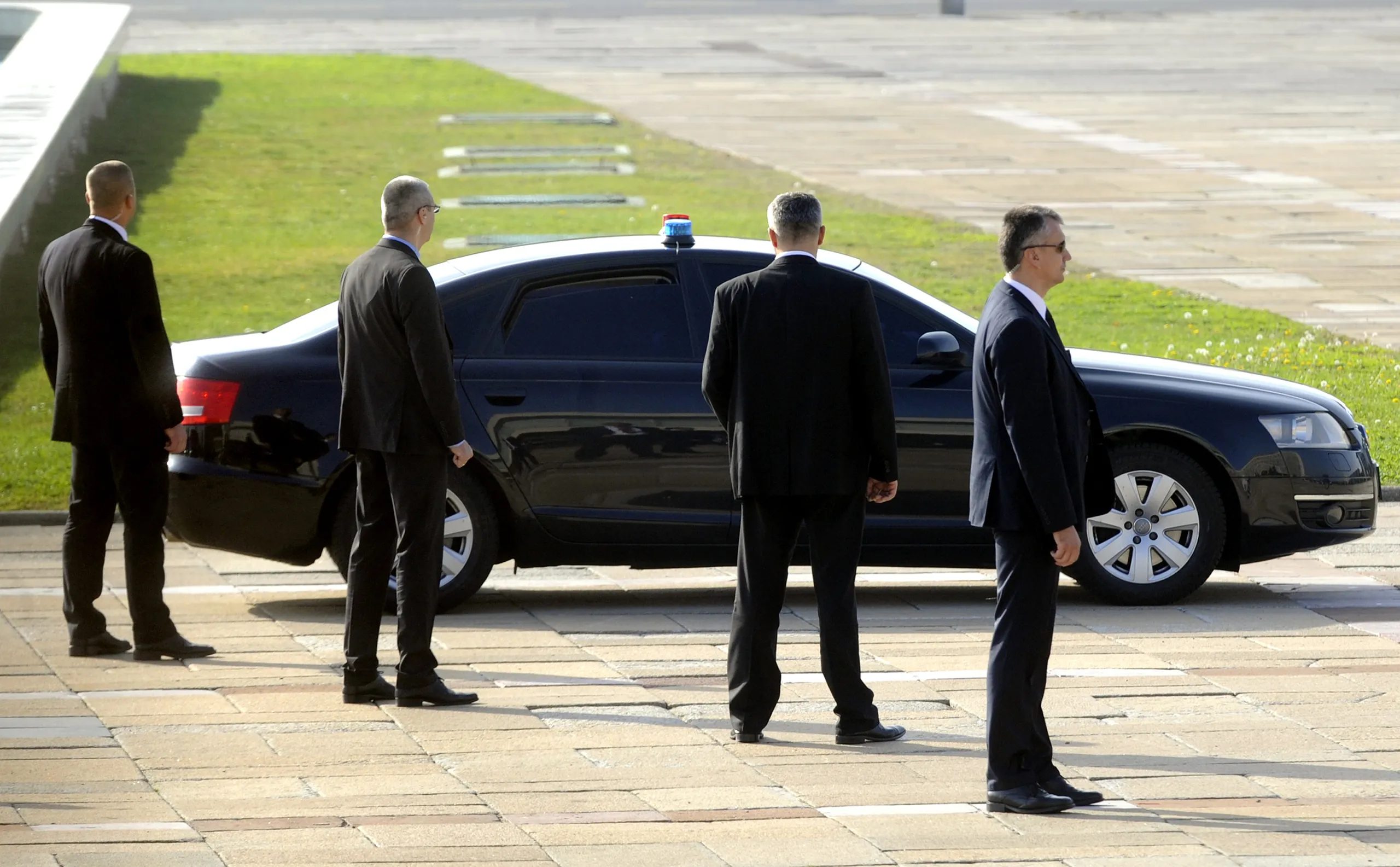
Planning travel to Dallas? Speak with a security consultant.
Dallas presents a moderate risk profile for visiting executives: property crime and carjacking incidents are elevated across the wider metropolitan area, while the Downtown core, Uptown corridor, and Arts District record materially lower rates per DPD Annual Crime Report 2024. Vehicle security discipline is a consistent operational priority throughout the city. The FCDO advises normal precautions for the United States (2026).
For principals requiring close protection in Dallas, all operators must hold a current Texas DPS licence under Chapter 1702 of the Texas Occupations Code. Our executive protection services in Dallas cover the Downtown core, the Kay Bailey Hutchison Convention Center, and the Uptown corridor. Vetted security drivers in Dallas cover DFW and Love Field airport arrivals and intercity transfers. For regional context, see our briefing for Houston.
What are the main security threats in Dallas?
Property and vehicle crime
DPD Annual Crime Report 2024: Dallas records elevated vehicle theft and property crime citywide, with hotspots concentrated in outer residential zones away from the central business district.
Carjacking incidents
DPD Crime Report 2024: carjacking incidents increased across the Dallas-Fort Worth metroplex, particularly at predictable stopping points such as petrol stations, drive-throughs, and hotel drop-off areas.
Protest and civil disruption
DPD public-order logs 2024: Dallas hosts major political and civic events; the Downtown corridor experiences periodic route disruptions during demonstrations at City Hall and the Arts District.
Vetted operators with direct experience in Dallas
What security services are available in Dallas?
Executive Protection
Close protection for principals attending corporate events at the Kay Bailey Hutchison Convention Center and AT&T Discovery District, covering Downtown and Uptown Dallas.
Security Drivers
Vetted drivers covering DFW International and Love Field airport arrivals, hotel transfers across the Uptown and Turtle Creek corridors, and intercity runs to Houston or Austin.
Residential Security
Static and mobile residential security for Uptown, Highland Park, and Park Cities properties, including hotel suite security surveys for visiting principals.
Event Security
Close protection and venue security for corporate events at the Kay Bailey Hutchison Convention Center and major Dallas hotel venues, with public-order-aware route planning.
What are the rules for private security in Dallas?
Key regulatory requirements for operating security services in Dallas.
Firearms Policy
Under section 1702.161 of the Texas Occupations Code, a security officer may not carry a firearm on duty without a security officer commission issued by the Department of Public Safety. Under section 1702.202, a person who protects another individual from bodily harm while carrying a firearm is acting as a personal protection officer and needs a personal protection officer licence. That licence requires the applicant to hold a security officer commission, be at least 21 and work for a licensed guard or investigations company (section 1702.204).
Licensing
Private security in Texas is regulated by the Texas Department of Public Safety under the Private Security Act (chapter 1702 of the Texas Occupations Code) and the rules in 37 TAC Part 1, Chapter 35. Ask any provider for its DPS company licence and for each officer's commission or personal protection officer licence.
Foreign Operators
Chapter 1702 sets out no separate route for a foreign security company. Use a DPS-licensed company for protective work in Texas, and take US immigration and local legal advice before a foreign team carries out protective duties.
Sources, checked : Texas DPS, private security laws and regulations; Texas Occupations Code section 1702.001, text (Public.Law); Texas Occupations Code section 1702.161, text (Public.Law); Texas Occupations Code section 1702.202, text (Public.Law); Texas Occupations Code section 1702.204, text (Public.Law).
Which areas of Dallas carry elevated risk?
Lower-Risk Areas
- Downtown Dallas and the Arts District: primary corporate and hotel zone, consistent with lower DPD 2024 crime rates.
- Uptown: high-density residential and hospitality area, well-lit, active policing, preferred for executive accommodation.
- Knox-Henderson and Park Cities corridor: upscale retail and dining, lower street crime per DPD 2024 data.
Elevated-Risk Areas
- South Dallas and Oak Cliff: DPD 2024 records elevated violent crime; avoid after dark without close protection cover.
- West Dallas industrial corridors: limited lighting and irregular response times; route pre-survey required before any scheduled visit.
Deploying to Dallas? Get a vetted close protection detail.
Request ConsultationWho do you call in an emergency in Dallas?
Emergency services
911
Dallas Police Department (non-emergency)
214-671-3000
Baylor University Medical Center
214-820-0111
What travel advisories apply to Dallas?
- FCDO advises normal precautions for the United States (2026); no travel restriction applies to Dallas.
- DFW International Airport is approximately 29km from Downtown Dallas; allow 30-50 minutes outside peak hours and up to 75 minutes during rush hour. Love Field (DAL) is approximately 11km from Downtown. Pre-survey your airport-to-hotel route before arrival.
- Baylor University Medical Center (214-820-0111) is the principal Level 1 trauma centre for Dallas. Parkland Memorial Hospital (214-590-8000) also provides Level 1 trauma care for the wider Dallas County.
Frequently Asked Questions
Is Dallas safe for executive and corporate travellers?
What close protection licensing applies in Texas?
What are the main security zones for executives in Dallas?
What medical facilities serve international executives in Dallas?
This page is published by CloseProtectionHire.com and written to editorial standards overseen by James Calloway, Senior Security Consultant (regulation, licensing, vetting and risk frameworks) and Marcus Webb, Security Operations Adviser (operational close protection, secure transport and city-specific safety).
Threat, regulatory and emergency information is sourced to named, dated authorities such as the FCDO, the US State Department and national licensing bodies. Last updated . See how we verify.