
Request a close protection consultation for Helsinki
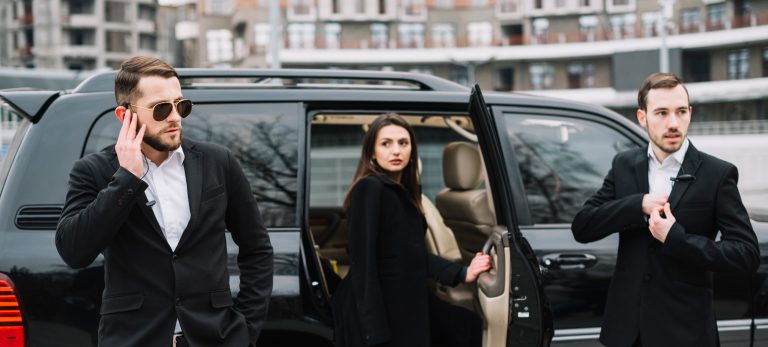
Hiring a bodyguard in Helsinki is typically about winter road conditions and cyber-threat awareness for visiting executives rather than violent crime, which is low. This page covers how close protection hire works in Finland, what a licensed officer does across a day of movements, and how quickly cover is arranged. Armed cover is not standard, so hire pairs a licensed officer with secure transport, scaled to the itinerary rather than a fixed contract.
For the broader operating picture of Helsinki and Finland’s logistics environment, see the Helsinki city guide. Executives requiring professional ground transport as a standalone service can arrange a vetted protective driver through our security drivers Helsinki service, covering HEL airport transfers, business circuits across the city centre and Keilaniemi, and extended assignments across Finland.
Hiring for a wider corporate programme rather than a single trip? See executive protection in Helsinki. To check the credentials and vetting behind the officers, see close protection officers in Helsinki.
What does this cover in Helsinki?
Threat Assessment: Helsinki
Helsinki is among the lowest-risk capital cities in Europe for corporate visitors. The FCDO advises normal precautions for Finland in 2026, and the US State Department maintains a Level 1 designation. Conventional crime risks are minimal: Finland consistently ranks in the top tier of global safety indices, and incidents involving foreign corporate visitors are extremely rare. The primary practical risk for visiting principals is environmental: winter weather between October and March creates significant icy pedestrian and road conditions that require adjusted movement planning. For executives operating in Finland's technology, defence, and public-sector environments, cyber threat awareness is the relevant background consideration given Finland's NATO membership and its digital economy profile, though this does not translate into physical close protection requirements beyond a standard proportionate baseline.
Finland Close Protection Licensing and Vetting
Private security services in Finland are governed by the Private Security Services Act (1085/2015). The police license security businesses and approve the individual guards and personal protection officers who work for them, and the National Police Board can cancel those licences. A foreign provider should work through a Finnish licensed security company. Ask for the company's licence and each officer's approval before deployment.
Airport and Arrival Security
Helsinki is served by Helsinki-Vantaa Airport (HEL), located approximately 19 km north of the city centre, with a standard transfer time of 20 to 35 minutes via the Ring Road I (Kehä I) corridor or the direct E12/E18 motorway approach. The airport is well-managed and efficient, with a controlled arrivals environment and no significant unlicensed operator issue. During winter months (October to March), road conditions between HEL and the city centre require additional journey time allowance and confirm the need for a vetted driver familiar with Finnish winter driving protocols. Pre-arranged collection with a qualified protective driver is the standard procedure regardless of season.
Movement and Route Security
Helsinki's compact city centre and low crime profile mean that route security considerations are primarily logistical rather than threat-based. The main adjustment required is winter weather planning: icy pavements and variable road grip between October and March affect pedestrian transitions and vehicle journey times, and close protection teams should confirm winter tyre fitment on all vehicles. For principals attending meetings at Finnish government ministries on Meritullinkatu or Katajanokka, or at corporate headquarters in Ruoholahti (Keilaniemi), route pre-survey is a standard professional practice even in a low-threat environment. Helsinki's tram network is not appropriate for principal movement without dedicated close cover.
Residential and Hotel Security
Hotels appropriate for HNWI and corporate principals in Helsinki include Palace Helsinki (Etelasatama, harbourfront), Hotel Kamp (Pohjoisesplanadi, city centre), and Scandic Grand Marina (Katajanokka). All three are well-positioned for central Helsinki business and government access and offer controlled-access environments suitable for advance security surveys. For longer stays, serviced apartments in the Eira and Kaivopuisto districts provide quieter residential environments with a high standard of building security. Close protection teams should liaise with hotel security management prior to arrival to confirm protocols.
Emergency Response and Medical Cover
The primary public emergency and trauma facility in Helsinki is Helsinki University Hospital (HUS), with its main campus at Haartmaninkatu (Meilahti, western Helsinki). Private alternatives with English-language capability include Mehilainen (multiple Helsinki locations, including a central clinic on Pohjoinen Hesperiankatu) and Pihlajalinna. Finland's healthcare system is of a consistently high standard, and private facilities are readily accessible for the corporate community. For medical emergencies requiring specialist care beyond Helsinki's capacity, medevac to Stockholm (approximately 45 minutes by air) is the standard routing. The Finnish emergency number is 112.
Sources for this page
Licensing, firearms and foreign-operator rules for Helsinki, checked : Finlex, Act 588/2023 amending the Private Security Services Act (1085/2015); Government bill HE 42/2016 on amending the Private Security Services Act (Edilex); Yle, National Police Board cancelled 753 security licences in 2022 (10 January 2023). The full rules are on our Helsinki security overview.
Travel advice quoted on this page: FCDO travel advice: Finland; US State Department travel advisory: Finland. Advice changes; read the current version before travel.
Frequently Asked Questions
What bodyguard hire options are available in Helsinki?
What is the close protection team configuration for Helsinki?
How do CPO licensing requirements work in Finland?
What emergency procedures apply to bodyguard deployments in Helsinki?
This page is published by CloseProtectionHire.com and written to editorial standards overseen by James Calloway, Senior Security Consultant (regulation, licensing, vetting and risk frameworks) and Marcus Webb, Security Operations Adviser (operational close protection, secure transport and city-specific safety).
Threat, regulatory and emergency information is sourced to named, dated authorities such as the FCDO, the US State Department and national licensing bodies. Last updated . See how we verify.