
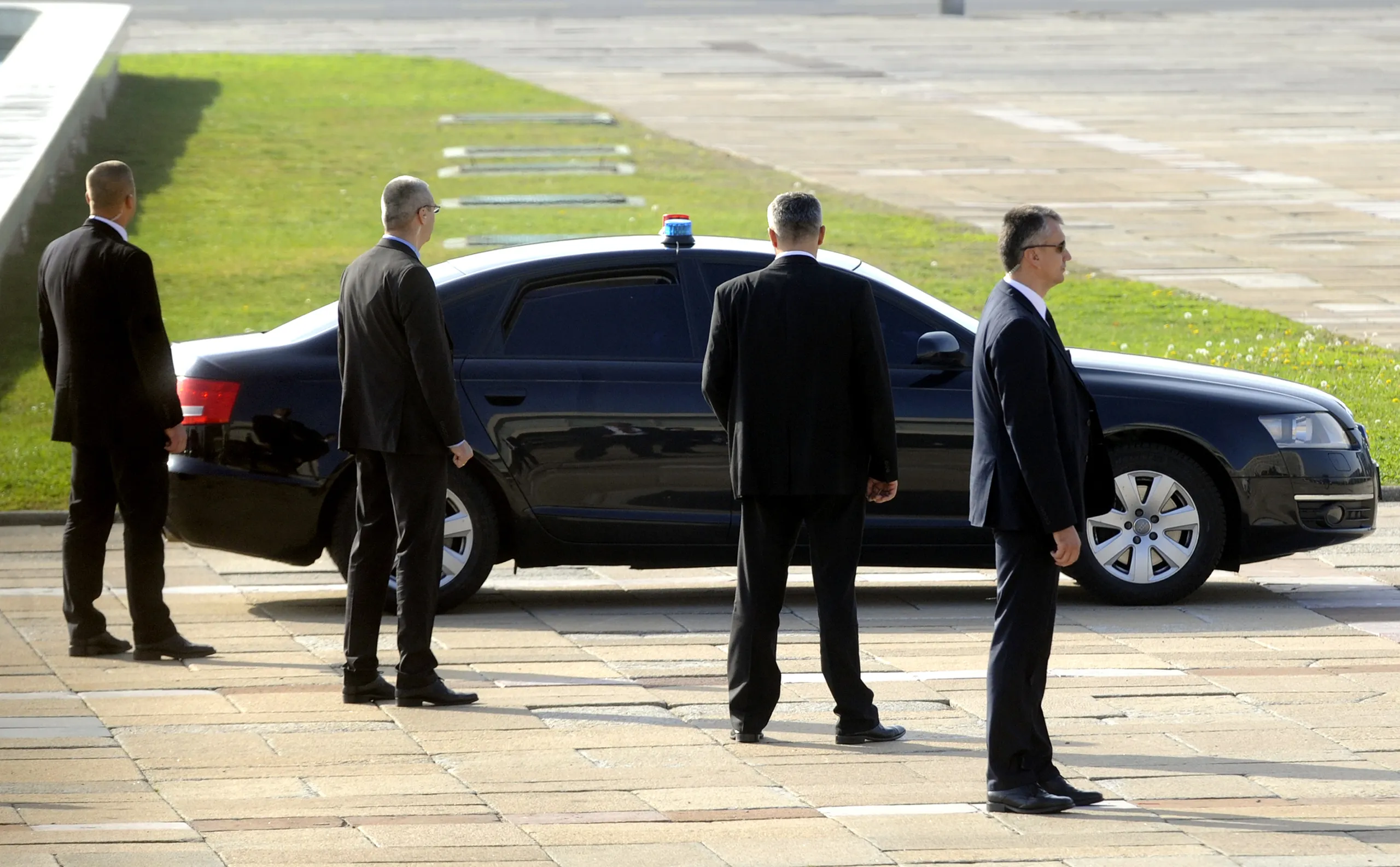
Arrange a vetted security driver in Tegucigalpa
Tegucigalpa operates in one of Central America’s more challenging security environments. The IUDPAS/UNAH violence observatory (2023) documents Honduras among the region’s higher-homicide-rate countries, and Tegucigalpa contributes significantly to national figures driven by gang territorial activity in peripheral colonias. The US State Department rates Honduras at Level 3 (Reconsider Travel) as of 2026, and FCDO Honduras (2026) specifically identifies carjacking and kidnapping as risks for vehicle-borne travellers. Toncontin International Airport’s urban location means that airport arrivals exit directly into city traffic with limited buffer, making the transfer protocol one of the most important security decisions of any Tegucigalpa visit.
A vetted security driver addresses the specific risks of Tegucigalpa ground transport: inside-terminal collection, route planning that avoids gang-active peripheral colonias, vehicle preparation at a secure compound before collection, and continuous GPS tracking with an operations controller throughout. Night movements apply a heightened protocol, with no unplanned stops and direct transfer between confirmed locations. For corporate clients making repeat visits, a standing driver arrangement provides route familiarity, pre-briefed itinerary knowledge, and pre-trip intelligence briefings covering current colonia risk assessments.
For the full Honduras risk environment and city-level threat assessment, see our Tegucigalpa city page. Clients requiring close protection alongside vetted transport can review bodyguard hire in Tegucigalpa for a full protective security structure suited to this environment.
What does this cover in Tegucigalpa?
Toncontin International to City Transfer Protocol
Toncontin International Airport (TGU) is located approximately 6km south of Colonia Palmira, Tegucigalpa's business and diplomatic district. Despite the short distance, the transfer approach passes through urban terrain with varying risk profiles. Toncontin's tight mountain approach pattern and urban location mean that arrivals exit the airport directly into city traffic with minimal buffer. Inside-terminal collection by a pre-arranged, vetted security driver is the baseline. The driver monitors the approach in real time and confirms the collection point is clear before the principal exits the terminal. Transfer routing avoids peripheral colonias with documented gang activity.
Route Intelligence: Tegucigalpa
Tegucigalpa's risk is concentrated in peripheral colonias, including sections of Comayaguela and outer districts with documented gang territorial presence. The IUDPAS/UNAH violence observatory (2023) records Honduras among the higher-homicide-rate countries in Central America, with Tegucigalpa contributing significantly to national figures. Colonia Palmira, the diplomatic zone, and the main commercial corridors are the lower-risk operating areas for corporate principals. Route planning avoids outer colonias, routes through unlit areas after dark, and any stops in unfamiliar locations. US State Department Honduras Level 3 (2026) documents carjacking and kidnapping as specific risks for vehicle-borne travellers.
Vehicle Selection and Preparation
A high-specification, dark-coloured, unmarked SUV is the standard vehicle for Tegucigalpa operations. Armoured vehicles are available for principals at elevated risk, high-profile executives, and individuals with a specific threat profile. All vehicles are prepared at a secure location before collection, with confirmed fuel levels, communications equipment, and primary and secondary route plans before departure. Vehicle livery and plates are kept low-profile throughout every movement.
Honduras Driver Licensing Requirements
Under Article 14 of Decreto 18-2017, the Dirección de Control de los Servicios Privados de Seguridad y Otros Servicios Especiales, within the Secretaría de Seguridad, authorises, controls, supervises and regulates security companies, including services for the security of persons, events and the transport of people. Verify the company's authorisation before engagement. The presence of unlicensed operators in the Tegucigalpa market makes direct verification essential before any deployment.
Night Movement Protocols
FCDO Honduras (2026) and US State Department Level 3 (2026) both note that the risk of carjacking and robbery increases after dark across Tegucigalpa. Night movement protocol restricts all movements to confirmed routes between pre-approved locations, no unplanned stops, locked doors, windows up, and continuous GPS tracking with the operations controller. Late-night arrivals at Toncontin are among the highest-risk transfer scenarios and should always use pre-arranged cover with driver confirmation before the principal exits the terminal.
Corporate Account and Recurring Cover
Corporate clients with regular Tegucigalpa operations benefit from a standing driver arrangement that includes a named, vetted driver familiar with the principal's itinerary pattern, pre-approved route plans reviewed against current FCDO and National Police intelligence, and account management providing a single operations controller contact for all movements. Recurring cover also includes access to the pre-trip security briefing covering current colonia risk assessments and any National Police advisories affecting the planned itinerary.
Sources for this page
Licensing, firearms and foreign-operator rules for Tegucigalpa, checked : Decreto 18-2017, Ley Orgánica de la Secretaría de Estado en el Despacho de Seguridad y de la Policía Nacional (text as published by policinglaw.info). The full rules are on our Tegucigalpa security overview.
Travel advice quoted on this page: FCDO travel advice: Honduras; US State Department travel advisory: Honduras. Advice changes; read the current version before travel.
Frequently Asked Questions
Why use a security driver rather than a regular taxi in Tegucigalpa?
Are armoured vehicles available in Tegucigalpa?
What is the highest-risk moment in a Tegucigalpa transfer?
How far is Toncontin airport from Tegucigalpa centre?
This page is published by CloseProtectionHire.com and written to editorial standards overseen by James Calloway, Senior Security Consultant (regulation, licensing, vetting and risk frameworks) and Marcus Webb, Security Operations Adviser (operational close protection, secure transport and city-specific safety).
Threat, regulatory and emergency information is sourced to named, dated authorities such as the FCDO, the US State Department and national licensing bodies. Last updated . See how we verify.