Risk Assessments
Sao Paulo Security Assessment
Pre-travel risk assessment for Sao Paulo, Brazil. Express kidnapping, dating app crime, armed robbery, and armoured vehicle use assessed from FCDO and OSAC data.
Travelling to Sao Paulo? Get an assessment before departure.
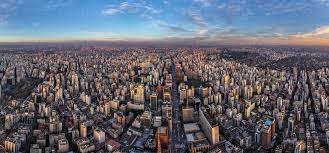
Sao Paulo is the largest city in Latin America and the financial capital of Brazil. Its 22 million metropolitan population includes the headquarters of the majority of Brazil’s and many of Latin America’s most significant corporations. It is also, by OSAC assessment, a critical-severity crime environment.
The threat profile in Sao Paulo is dominated by organised criminal activity. Unlike some cities where street crime is opportunistic, Sao Paulo’s criminal networks are structured. Express kidnapping, carjacking, and phone theft are not random. They follow patterns and concentrate at specific locations and times.
The express kidnapping picture
Sequestro relampago is perhaps the most important risk to understand for corporate visitors to Sao Paulo. It differs from traditional kidnapping. Victims are not held for days. The objective is maximum ATM withdrawal in minimum time. But it involves weapons, coercion, and frequently, violence.
The countermeasure is not purely physical protection. It is behaviour: not stopping at certain times of day near ATMs, not using visible devices in vehicles, not displaying watches or jewellery, using secure transport with a vetted driver who knows which routes and timings to avoid.
Brazil’s armoured vehicle context
Brazil’s private armoured vehicle fleet is among the largest in the world, which tells you something important about local assessments of ground transport risk. Corporate executives in Sao Paulo routinely use B4 or B6 armoured vehicles. Our operator network has access to both through licensed providers.
This does not mean every visit requires armoured transport. It means the infrastructure is available and the professional consensus in Sao Paulo is that for high-profile clients, it is the appropriate baseline.
PSPA and Brazil’s regulatory framework
Security operators in Brazil operate under a regulatory framework that exists but is variably enforced. Our Sao Paulo operators hold current licensing under applicable Brazilian law and have verifiable track records. Given the quality gap between professional and sub-professional operators in the Brazilian market, documented vetting is particularly important here. A risk assessment is the first step. See our Sao Paulo city security briefing for the operating picture, and our executive protection service for deployment options.
Assessment Components
Express Kidnapping (Sequestro Relampago)
Express kidnapping is endemic in Sao Paulo. Victims are detained briefly, usually in a vehicle, and driven between ATMs to withdraw the maximum daily limit across multiple transactions. May last several hours. Violence during the kidnapping is common. FCDO describes attackers as often armed and under the influence of drugs. This is not a rare or declining threat.
Armed Robbery
OSAC rates Sao Paulo crime as critical. Armed robbery is the primary daily threat. Robbers frequently target phones (FCDO notes phone snatching peaks between 4pm and 9pm), watches, and jewellery. Weapons are routinely used. Do not resist. The instruction to 'give up valuables without resistance' is the consistent professional advice.
Dating App Crime
FCDO specifically warns about criminals using dating apps to lure foreign nationals to locations where they are then robbed. This is a documented, targeted crime methodology. For business travellers using apps during their visit, awareness of this pattern is a genuine risk mitigation measure.
Carjacking at Traffic Lights
Carjacking concentrates at traffic light stops, particularly after dark and in tunnels. Doors should be locked and windows up at all times. Stopping should be minimised. Security drivers plan routes to use major, well-lit roads with minimised traffic light stops. The load-shedding equivalent in Sao Paulo is dead traffic lights in poorer districts.
Zone Risk
Sao Paulo has a pronounced risk gradient. Jardins, Itaim Bibi, Vila Madalena, Faria Lima corridor, and Pinheiros carry lower risk with active private security. Cracolandia (an open drug market) is extremely dangerous. All favelas should be avoided completely. Bras, Luz district, and Centro after dark carry high risk.
Armoured Vehicle Market
Brazil has one of the world's largest private armoured vehicle fleets (estimated at over 100,000 vehicles). This reflects the genuine demand for vehicular protection. Armoured vehicles (B4 to B6) are available through our Sao Paulo operator network and are recommended for HNWI clients, executives, and any client with a public profile.
Data-led risk analysis from verified sources
Frequently Asked Questions
Request a Consultation
Describe your security requirements below. All enquiries are confidential and handled by licensed consultants.
Your enquiry has been received. A security consultant will contact you within 24 hours to discuss your requirements.