Risk Assessments
Mexico City Security Assessment
Pre-travel risk assessment for Mexico City. Express kidnapping, cartel proximity risk, unlicensed taxi robbery, and drink spiking threats analysed from FCDO sources.
Planning travel to Mexico City? Get an assessment first.
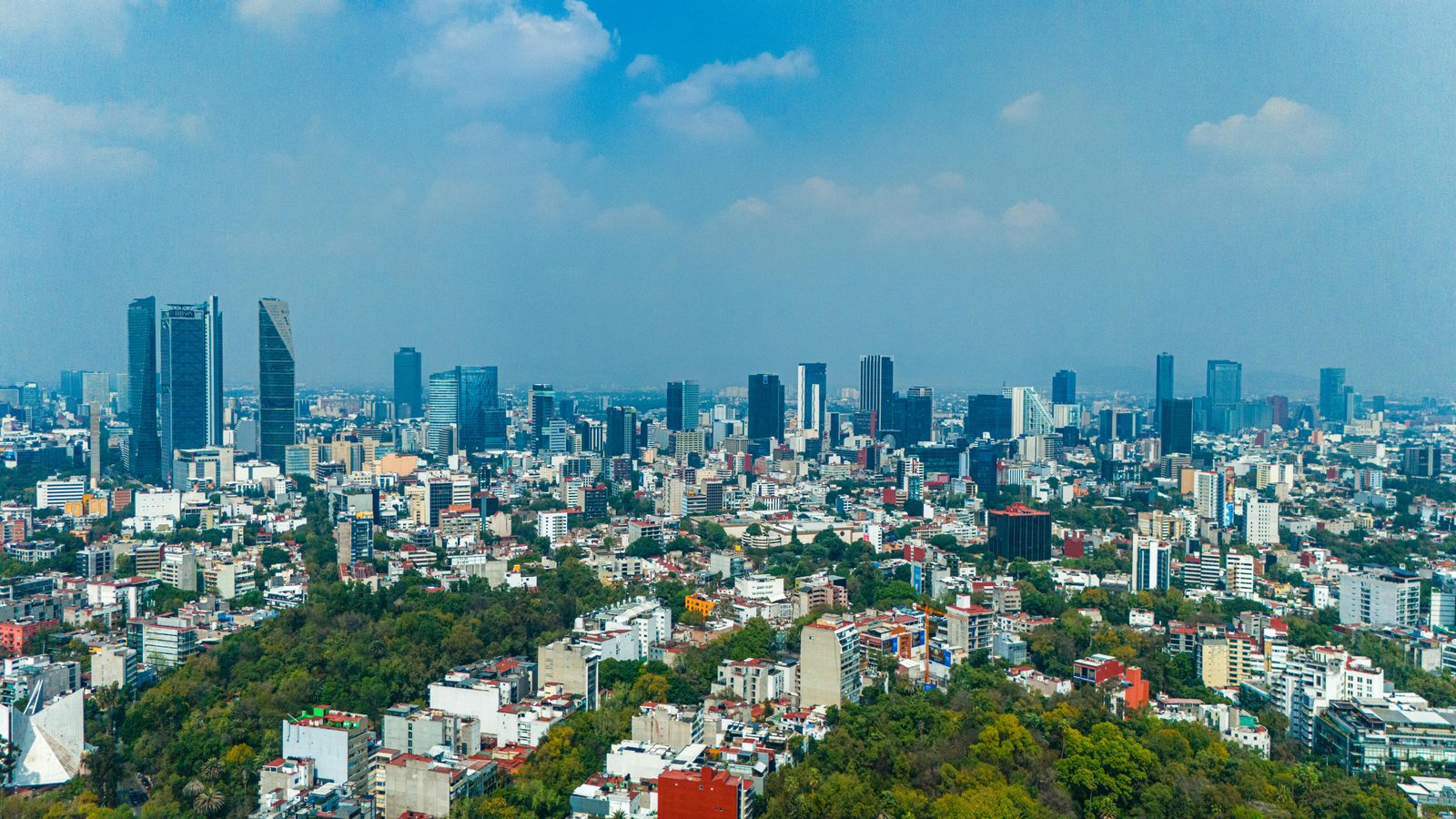
Mexico City is the commercial, political, and cultural capital of Mexico and one of the largest cities in the world by population. Major international corporations maintain regional headquarters here. The city received upgraded infrastructure and security investment ahead of the 2026 World Cup.
FCDO rates Mexico at Level 2 (Some Parts Not to Travel) and issues specific warnings for several Mexico City risks that differ from the general country advisory. OSAC rates crime as critical. The State Department advises increased caution.
A specific threat profile
Mexico City’s risk profile is different from either the cartel-dominated northern states or the relatively stable tourist areas of the south. The threats are urban and organised: unlicensed taxi robbery, express kidnapping, and drink spiking are the documented threat vectors for foreign visitors.
Cartel violence is real in Mexico, but its primary geography is northern border states and specific production corridors. Mexico City is not immune, but the risk to a corporate traveller staying in Polanco and visiting meetings in Santa Fe is categorically different from travelling through Tamaulipas or Sinaloa.
The transport solution
The single most effective risk mitigation for Mexico City is transport discipline. Use only registered rideshare apps or pre-vetted private drivers. Every journey. No exceptions.
This eliminates the most documented serious crime vector targeting foreign visitors. It costs very little relative to the risk it removes.
Pre-2026 security context
Mexico’s security investments ahead of FIFA World Cup 2026 have increased visible security in key venues and tourist districts. This elevated security posture creates some additional protection for corporate visitors in the primary business and hotel zones. It also means that during World Cup periods, crowds and event traffic create new logistical challenges for ground movement.
A risk assessment prepared for travel during or near the World Cup period will incorporate event-specific planning. A risk assessment is the first step. See our Mexico City city security briefing for the operating picture, and our executive protection service for deployment options.
Assessment Components
Unlicensed Taxi Robbery
FCDO explicitly warns about unlicensed taxis in Mexico City being used to rob passengers. The method is similar to Bogota's express kidnapping: victims are taken to ATMs or held while cards are maxed out. The countermeasure is simple but non-negotiable: use only registered rideshare apps or pre-vetted drivers. Never flag a taxi on the street.
Drink Spiking
FCDO warns about spiking of drinks in Mexico City, particularly in the Zona Rosa nightlife area. Victims are incapacitated and then robbed or assaulted. Applies to both men and women. Business dinners in reputable hotel restaurants carry low risk. Social occasions in bars and nightclubs carry higher risk.
Express Kidnapping
Express kidnapping is the primary urban threat for foreign nationals. Forced ATM withdrawals over multiple transactions. Virtual kidnapping scams by phone are also prevalent. Foreign nationals are specifically targeted as they are perceived as higher-value. Establish a family code word before travel.
Organised Crime Proximity
Cartel violence is the defining security issue in Mexico at the national level but Mexico City itself is less affected than northern states. The risk to corporate travellers in CDMX is from organised criminal networks operating independently of the major cartels. Polanco, Santa Fe, and Condesa carry lower risk. Tepito and Iztapalapa are extremely dangerous.
Transport Risk
Carjacking on highways outside the city is documented. Metro system has pickpocketing hotspots, especially on Lines 1, 2, and 3. Avoid the metro system after dark. AICM airport has a documented taxi scam problem: buy tickets for authorised taxis inside the terminal only.
Civil Unrest
Large marches on Paseo de la Reforma and in Zocalo are frequent. Teacher union protests, political demonstrations, and women's rights marches regularly affect traffic and movement. Generally peaceful but roadblocks disrupt itineraries. Monitor protest calendars during visit.
Data-led risk analysis from verified sources
Frequently Asked Questions
Request a Consultation
Describe your security requirements below. All enquiries are confidential and handled by licensed consultants.
Your enquiry has been received. A security consultant will contact you within 24 hours to discuss your requirements.