Risk Assessments
Jakarta Security Assessment
Pre-travel risk assessment for Jakarta, Indonesia. Jemaah Islamiyah terrorism, flooding risk, drug laws, and corporate operating areas assessed from FCDO data.
Travelling to Jakarta? Request a current security assessment.
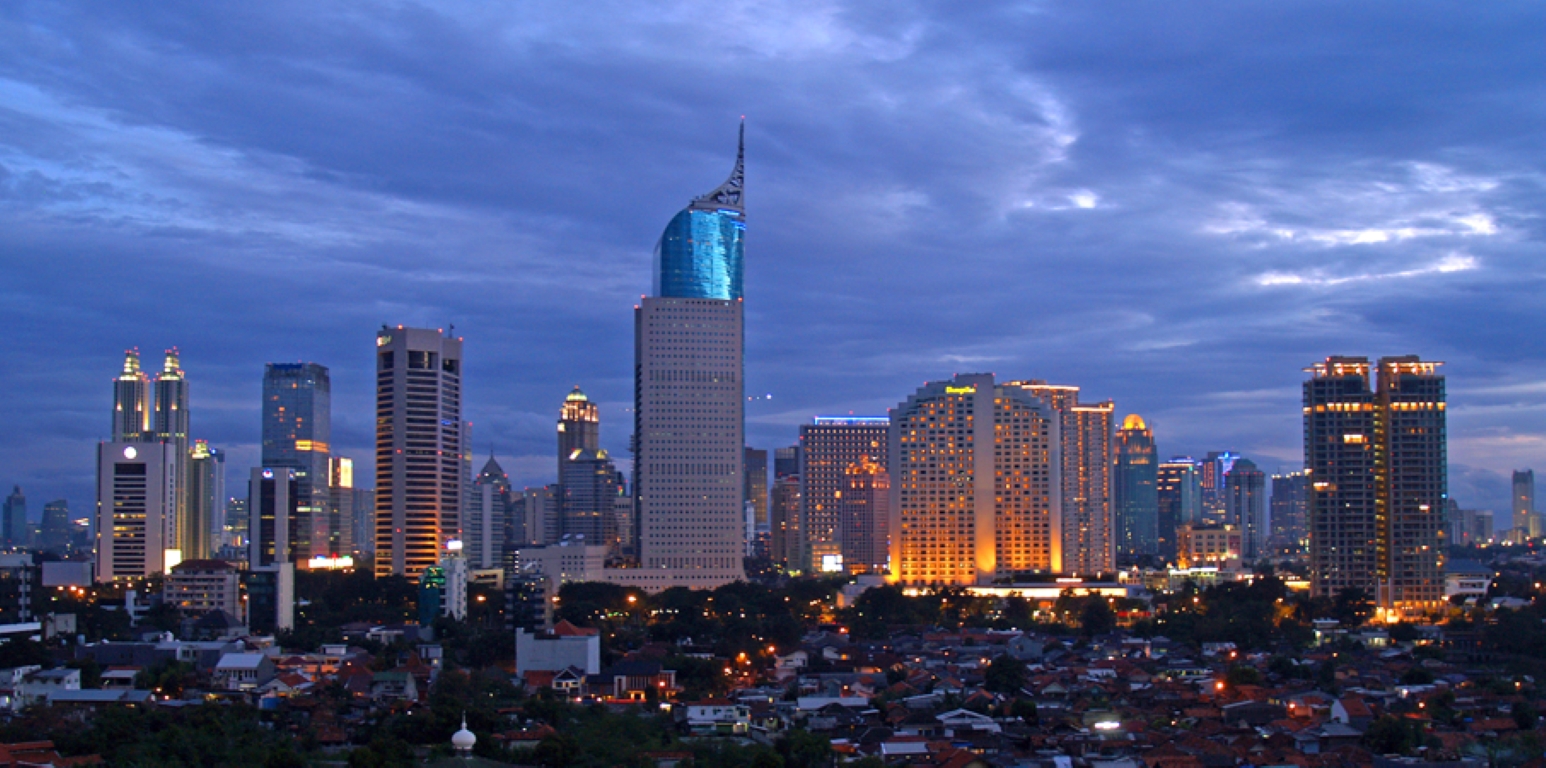
Jakarta is the capital of Indonesia and the political and commercial centre of the world’s fourth most populous country and the largest economy in Southeast Asia. The Sudirman Central Business District (SCBD) hosts the regional headquarters of many major multinationals, and Jakarta is increasingly significant as a gateway to ASEAN markets.
FCDO advises against all travel to parts of Indonesia (Papua, parts of Maluku) and rates terrorism as ’likely’ for the country as a whole. Jakarta’s specific risk profile differs from these high-risk provinces: the city has a functioning security infrastructure and a corporate environment that operates with appropriate precautions.
The terrorism question
Jakarta has experienced major terrorist attacks: the 2009 JW Marriott and Ritz-Carlton bombings (9 dead), the 2016 Starbucks attack near the UN office (8 dead), and a series of smaller incidents. Indonesian counter-terrorism (Densus 88) is widely regarded as effective, and the frequency of successful plots being disrupted is high.
This creates an unusual situation: the threat is documented and the response is capable, which means risk is real but actively managed by authorities. The implication for corporate travellers is that the threat cannot be dismissed but the Indonesian counter-terrorism infrastructure provides a meaningful degree of protection that does not exist in Pakistan or parts of West Africa.
What a Jakarta assessment covers
The assessment covers current terrorism intelligence, hotel and venue selection against the soft-target attack methodology, transport planning for ground movement and airport transfers, drug law compliance (a mandatory element of any visit briefing), and wet season flood risk if applicable to travel dates.
Emergency protocols include procedures specific to Jakarta: shelter locations during terrorist incidents, flood evacuation routes, and communications during the network outages that accompany serious civil incidents. A risk assessment is the first step. See our Jakarta city security briefing for the operating picture, and our executive protection service for deployment options.
Assessment Components
Terrorism: Active Islamist Threat
FCDO rates terrorism in Indonesia as 'likely'. Jemaah Islamiyah remnants and IS-affiliated cells remain active. Indonesian authorities are effective at disrupting plots but cells regenerate. Recent attacks: 2022 suicide bomber at Bandung police post (1 killed), 2021 suicide attack at Makassar cathedral. Plots continue to be disrupted. Heightened risk around Christmas, New Year, Ramadan, and Independence Day.
Soft Target Risk
Hotels, shopping malls carrying international brands, Western restaurants and bars, and foreign embassies are assessed as primary soft targets. The 2009 JW Marriott and Ritz-Carlton bombings in Jakarta demonstrated the specific targeting methodology of hotel venues. Security at major international hotels has improved materially since then.
Drug Laws: Absolute Risk
Indonesia's drug laws carry the death penalty for trafficking. Police conduct raids on venues popular with foreigners. Zero tolerance means exactly that. Any association with drug use or supply creates catastrophic legal jeopardy. The risk is not a cultural observation. It is a hard constraint that must feature in any visit briefing.
Flooding and Infrastructure
Jakarta floods severely during the wet season (November to March). The main toll road to Soekarno-Hatta International Airport floods and can be impassable. This creates genuine security risk by stranding clients or disrupting emergency evacuation. Itinerary planning must include contingency timing for wet season travel and awareness of flood forecasts.
Traffic and Ground Movement
Jakarta has some of the worst traffic congestion in the world. Journey times are unpredictable. Extended periods in slow or stationary traffic create vulnerability windows. Vetted private drivers with local knowledge of real-time alternatives are essential. Allow substantially more time than mapping applications suggest for all movements.
Police and Corruption Risk
Indonesian police may seek informal payments following traffic incidents. Drug law enforcement creates risk during police raids at venues. Foreigners involved in minor incidents can face extortion attempts. The SCBD (Sudirman CBD) area has better police responsiveness than peripheral districts.
Data-led risk analysis from verified sources
Frequently Asked Questions
Request a Consultation
Describe your security requirements below. All enquiries are confidential and handled by licensed consultants.
Your enquiry has been received. A security consultant will contact you within 24 hours to discuss your requirements.