Scroll to top
Event security in Port-au-Prince

Event Security

Event Security in Port-au-Prince, Haiti

Event security in Port-au-Prince, Haiti. Expert security teams for NGO, diplomatic, and essential-visit events with gang-zone awareness and evacuation planning.

Extreme risk Haiti

Planning a Port-au-Prince event? Extreme-risk security planning is the minimum requirement.

Port-au-Prince is the capital of Haiti and remains the operational centre for the country’s UN, NGO, and diplomatic community despite the extreme security environment. The Multinational Security Support Mission (MSS) has been present since 2024 with a mandate to support the Haitian National Police, but gang control of significant metropolitan areas remains a defining factor in all event security planning. Petionville – the hillside district above the city – is the primary viable location for international organised events, with the Hotel Montana and Villa Creole as the main suitable venues.

The Port-au-Prince event security environment

The FCDO advises against all travel to Haiti. The US State Department classifies Haiti at Level 4 (Do Not Travel). Gang activity affects transfer routes, venue options, and evacuation planning in ways that must be assessed in real time before any event. Kidnapping targeting international visitors and NGO staff is an active and documented threat. Any event held in Port-au-Prince is by definition a high-security operation requiring planning well above standard corporate event norms. Source: FCDO Haiti travel advice (2026); US State Dept Haiti Level 4 advisory (2026).

Planning events in Port-au-Prince

Event security planning for Port-au-Prince requires a current intelligence assessment of gang control, a venue security survey, armed close protection for transitions between venue and vehicle, and a documented evacuation plan. The plan must be current – the gang control situation changes – and must address both medical evacuation and country evacuation routes. For organisations that must operate in Port-au-Prince, these planning elements are prerequisites, not optional additions.

For the full Port-au-Prince security picture, see our Port-au-Prince city security briefing. Our event security service overview provides the framework for structuring these elements.

Planning

What our event security covers

Venue Security Assessment

Pre-event venue assessment in Port-au-Prince is substantially more complex than in most cities. Gang control of significant areas of the metropolitan area means that venue viability is contingent on the current security situation. Petionville -- the hillside district above Port-au-Prince -- remains the most viable location for international events, with hotels including the Hotel Montana (rebuilt after the 2010 earthquake) and the Villa Creole. Any venue outside Petionville requires a current threat assessment before engagement.

Armed Event Security

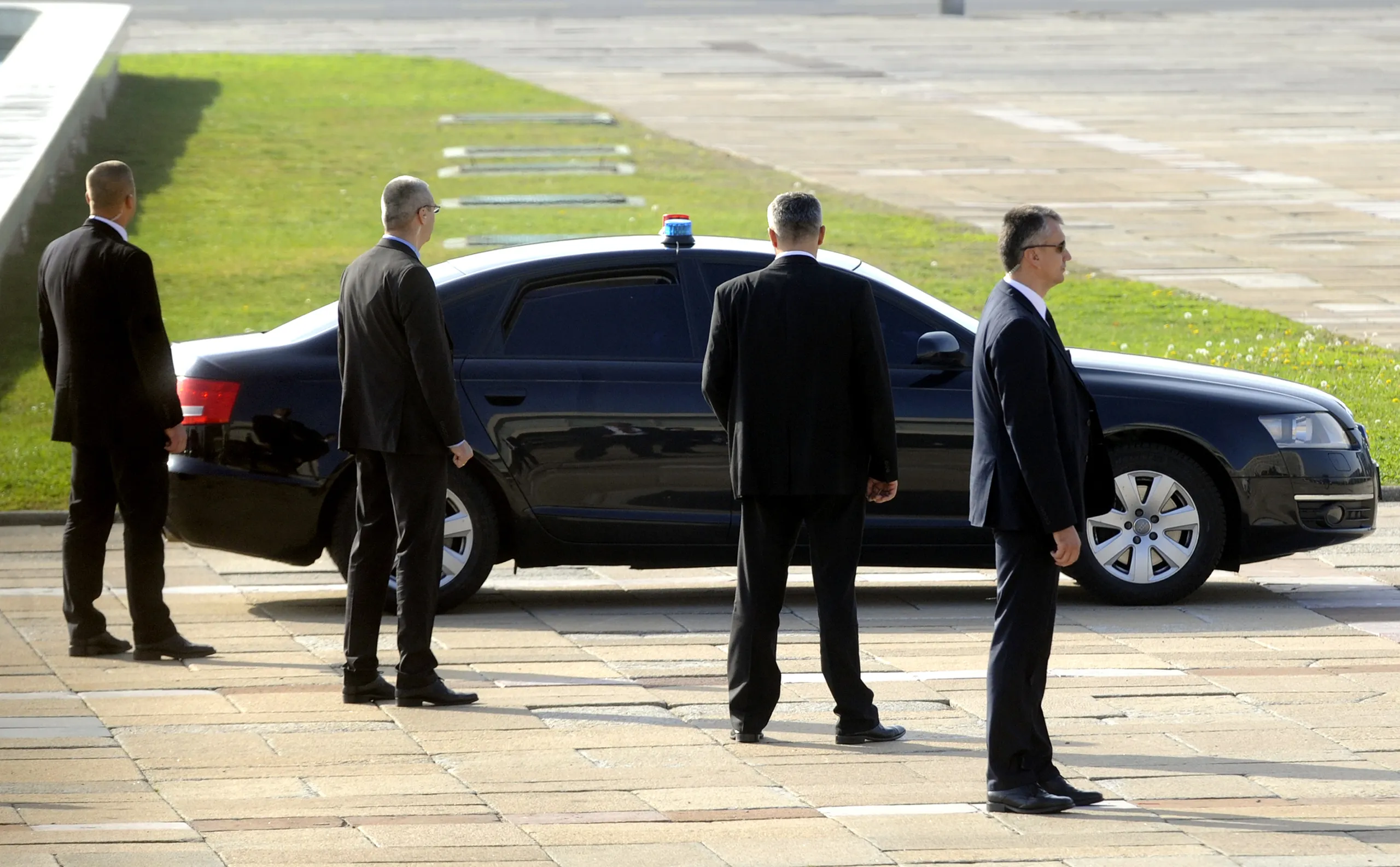
Port-au-Prince's security environment requires armed event security for any event drawing international delegates, NGO senior staff, or diplomatic personnel. The presence of armed gang activity in and around the metropolitan area, and the breakdown of police capacity in significant zones, means that unarmed security alone is not an appropriate baseline for organised events. Armed security is coordinated through licensed Haitian security operators with Multinational Security Support Mission (MSS) awareness.

VIP and Delegate Protection

Port-au-Prince events in the current security environment are primarily conducted by the NGO sector, development finance institutions, and diplomatic missions. CPO cover for NGO country directors, UN officials, and diplomatic personnel is structured to the extreme-risk environment: kidnapping is a documented and active threat, and principals have been targeted specifically at transitions between venue and vehicle.

Event Perimeter and Access Control

In Port-au-Prince's current security environment, the distinction between access control as a procedural function and access control as an active physical security requirement is significant. Structured perimeter management, vehicle exclusion zones, and credentialled entry are required for any organised event. The venue perimeter is the primary defensive layer.

Secure Delegate Transport

Secure transport for all delegate movements in Port-au-Prince is mandatory, not optional. Toussaint Louverture International Airport (PAP) transfers use vetted drivers with armed escort where the threat assessment warrants it. Route planning must account for the current gang control map, which changes. No informal transport is acceptable; every vehicle movement is planned and tracked by an operations controller.

Evacuation Planning

All Port-au-Prince events require a documented evacuation plan covering both in-city medical evacuation and country evacuation. The plan addresses medical evacuation to the Dominican Republic (Santo Domingo, approximately 4 to 5 hours overland) and air evacuation to Miami or Port of Spain. The plan is updated to reflect current gang control of exit routes before each event.

Vetted operators. Local knowledge. Proven protocols.

FAQ

Frequently Asked Questions

International corporate and organisational events continue to take place in Port-au-Prince, primarily in Petionville and at specific managed venue locations. However, the security planning requirement is at the extreme end of the spectrum: armed security, vetted transport for all movements, kidnapping awareness protocols, and a current evacuation plan are all required. Events that can be hosted from the Dominican Republic should be assessed against that option. Source: FCDO Haiti travel advice (2026).

Gang coalitions, principally Viv Ansanm, control significant areas of Port-au-Prince including Cite Soleil, Martissant, and major arterial routes including sections of the road to the airport. This affects event planning by constraining viable venue locations, transfer routes, and evacuation options. The gang control map changes and requires current intelligence before any event. Source: FCDO Haiti travel advice (2026); UN BINUH reporting (2026).

UN agencies, NGOs, bilateral donors, and development finance institutions continue to hold operational meetings and conferences in Port-au-Prince, primarily in Petionville. Diplomatic missions operating from their embassy compounds also host events. Private sector events are rare given the current security environment, and any such event requires a specific security justification for being held in Haiti rather than from a neighbouring country.

Kidnapping targeting individuals perceived as affluent or connected to international organisations is a documented and active threat in Port-au-Prince. Targets have included NGO staff, diplomatic personnel, and business visitors. Transitions between venue and vehicle are identified as high-risk moments. A kidnapping awareness protocol and response plan are required elements of event security planning in Port-au-Prince. Source: FCDO Haiti travel advice (2026).

Medical evacuation from Port-au-Prince should be planned before any event takes place. Medical care in Port-au-Prince is severely limited. Evacuation to the Dominican Republic (overland to Santo Domingo or air from PAP airport when accessible) or to Miami (approximately 2 hours by air) are the primary options. Confirm current airport access and overland route status before any event.
Get in Touch

Request a Consultation

Describe your security requirements below. All enquiries are confidential and handled by licensed consultants.

Confidential. Your details are never shared with third parties.