
Speak to our team about security planning for Myanmar government-organised events.
Naypyidaw represents one of the most constrained event security environments in the world: the FCDO Myanmar advisory (updated 4 August 2026) advises against all travel to parts of the country, though not Naypyidaw, all internationally attended events are government-controlled under SAC oversight, and independent commercial event activity does not exist. International security professionals operating in this context function within the state-assigned framework, focusing on delegate welfare monitoring, contingency communications and medevac readiness.
For the full Myanmar security context, see our Naypyidaw city page. Delegates requiring personal close protection advice for Myanmar should review bodyguard hire in Naypyidaw for specialist guidance on operating in a military-governed environment.
What does event security in Naypyidaw cover?
Naypyidaw Event Landscape
Naypyidaw, Myanmar's purpose-built administrative capital, has an extremely restricted commercial event market for international delegates. The city does not operate an independent conference industry: virtually all internationally attended gatherings are government-organised or government-facilitated summits convened by the State Administration Council (SAC), the military junta that seized power on 1 February 2021. Events of this type include ASEAN-adjacent meetings where Myanmar holds a participation role, bilateral negotiations conducted at the government's request, and state-organised industry sessions related to Myanmar's jade, gem and energy sectors. Independent corporate conferences, NGO coordination events and civil society gatherings are not feasible in Naypyidaw under current conditions. International delegates who do travel to Naypyidaw for SAC-organised events are assigned to a government-managed itinerary with no discretionary movement. The Naypyidaw Convention Centre, purpose-built at government scale, is the principal venue; international hotel options in the capital are very limited compared with Yangon.
SAC Oversight and Regulatory Framework
Since the February 2021 coup, Myanmar's security and licensing environment has been entirely restructured around SAC military authority. Private security services in Myanmar are regulated by the Private Security Services Law (State Administration Council Law No. 4/2025 of 18 February 2025), with licensing overseen by the Central Supervisory Committee on Private Security Services, chaired by the Union Minister for Home Affairs. Security arrangements for events with foreign delegates in Naypyidaw are directed by the government's own protocol and security apparatus, and operating outside it risks detention. The practical implication is that event security in Naypyidaw functions as a coordination and advisory role: the international CPO works within the government-assigned security frame, monitors the delegate's welfare and manages contingency communications rather than operating an independent perimeter.
Political Context and Conflict Risk
The FCDO Myanmar travel advisory advises against all travel to parts of Myanmar and against all but essential travel to other parts; Yangon and Naypyidaw are not in any listed area (updated 4 August 2026). The country has been in an active armed conflict since the 2021 coup, with the People's Defence Force and various ethnic resistance organisations conducting ongoing military operations against SAC forces across multiple states and regions. Naypyidaw itself is under tight SAC control and has not been the site of significant armed clashes within the capital boundary, but the overall political environment is highly volatile and international advisories are subject to rapid revision. Demonstrations are prohibited under the SAC's post-coup restrictions, but the political temperature remains high and targeted violence against perceived SAC collaborators has been documented. Any foreign organisation sending delegates to Naypyidaw must conduct a current and specific risk assessment, obtain legal counsel on the reputational and compliance implications of engaging with SAC-organised events, and ensure that all relevant government departments (including the home-country Foreign Ministry) are notified of the travel.
Movement Restrictions and Venue Access
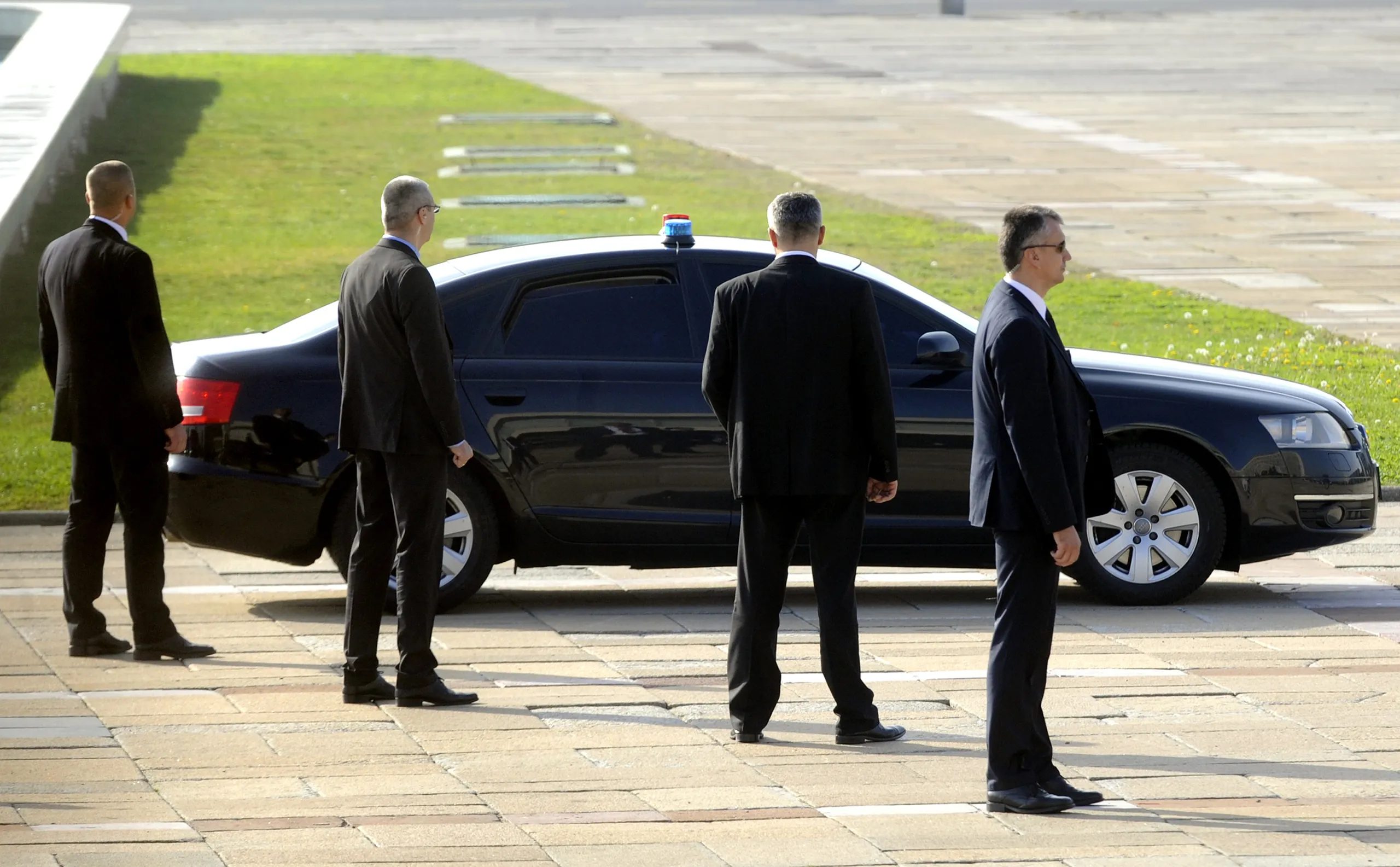
International delegates at Naypyidaw events operate under SAC-assigned movement plans. There is no expectation of free movement outside the hotel and conference venue corridor. Vehicle transfers between the airport, hotel and conference venue are managed by the SAC protocol office using government-assigned vehicles with government escort. International security teams accompanying a delegate are passengers within this system, not controllers of it. Event security responsibilities therefore focus on monitoring the delegate's condition and welfare throughout the assigned programme, maintaining independent communications capability (encrypted satellite or VPN-routed where network infrastructure permits), documenting deviations from the agreed itinerary and maintaining a continuously updated contingency plan for emergency extraction. Meeting rooms and hotel accommodation should be assessed for surveillance vulnerabilities; delegates should be briefed on the significant likelihood of electronic surveillance in all venues, including hotel rooms and vehicles.
NYT Airport Delegate Transfers
Naypyidaw Airport (NYT) handles international flights on a limited schedule, with connections principally via Bangkok, Kuala Lumpur and Kunming. The airport is smaller and less congested than Yangon International, and the arrivals and departure process is managed within the SAC's tightly controlled capital zone. For government-invited delegates, an official protocol officer meets the delegation at the aircraft or at the arrivals exit and transfers them directly to government vehicles. The international CPO or security adviser accompanying the delegate should ensure that the delegation's arrival details have been communicated to the home-country embassy in Yangon (Naypyidaw does not host most Western embassies directly) in advance of landing. Emergency communications should be established before departure from the origin country, as mobile network reliability and access to international calls from Naypyidaw is not consistent. The contingency transfer route to the nearest medevac point is Naypyidaw Airport itself, with an onward flight to Bangkok or Singapore.
Medical Infrastructure and Emergency Evacuation
Medical infrastructure in Naypyidaw is inadequate by international standards. The principal government hospital in the capital is Naypyidaw General Hospital, but facilities are limited and medical consumables and specialist capacity are not at a level appropriate for complex emergencies involving international patients. The FCDO Myanmar advisory specifically notes that medical evacuation is required for all serious medical emergencies. The standard evacuation protocol from Naypyidaw is a flight to Bangkok, Thailand, where international-standard hospitals including Bumrungrad International and Bangkok Hospital are available. Flight time from NYT to Bangkok is approximately 2 hours, and the routing may run via Yangon where no direct service is operating. All delegates travelling to Naypyidaw must hold insurance that explicitly covers emergency medical evacuation with a specialist provider. The event security team should carry the medevac provider's emergency number and have confirmed the current flight schedule from NYT to Bangkok before each event day begins.
Vetted operators. Local knowledge. Proven protocols.
Sources for this page
Licensing, firearms and foreign-operator rules for Naypyidaw, checked : Lincoln Legal Services (Myanmar), Private Security Services Law (SAC Law No. 4/2025), English translation text. The full rules are on our Naypyidaw security overview.
Travel advice quoted on this page: FCDO travel advice: Myanmar. Advice changes; read the current version before travel.