
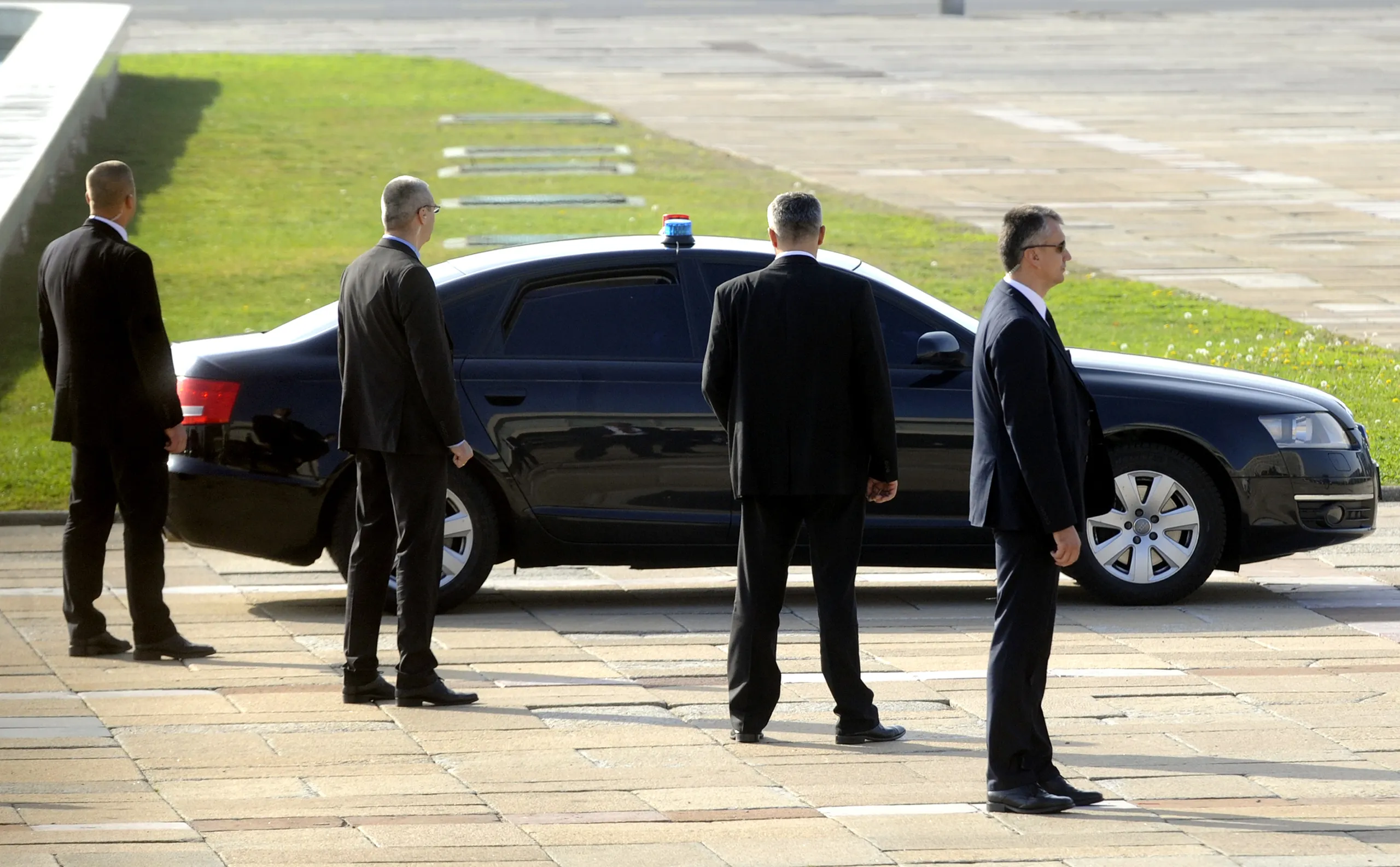
Event in Kabul on essential-travel authorisation? Request a security assessment before any venue is confirmed.
Kabul sits at the extreme end of the event security risk spectrum. FCDO advises against all travel to Afghanistan, and the IS-KP terrorism threat since the August 2021 Taliban takeover has created an environment where mass-casualty attacks at gatherings remain an active and documented threat. The 2021 HKIA bombing, killing approximately 170 people, and subsequent attacks on Kabul mosques, checkpoints, and international-presence locations, illustrate consistent IS-KP capability and intent. This context defines every element of event security planning for Kabul.
Who operates in Kabul
The organisations conducting events in Kabul are humanitarian sector bodies, UN-affiliated agencies, development sector organisations, and diplomatic missions with formal essential-presence mandates. Commercial conferences are not viable. Events that do take place are operational meetings inside hardened compound facilities, with minimised external movement, Taliban coordination managed through vetted Afghan partners, and no public announcement of venue or attendance.
Western private security companies largely withdrew from Afghanistan following the 2021 evacuation. Effective security in the current environment requires Afghan operators with post-2021 operating experience, Taliban relationship management capability, and demonstrated access to personnel with the skills and equipment appropriate to the threat level.
The practical architecture
There is no civil private security licensing framework in post-2021 Afghanistan. All security operations proceed through Taliban permission-based arrangements managed by local operators. This is not an improvised workaround but the only functional model for the current environment. Operator selection, vetting, and ongoing management are the most important variables in Kabul event security, because the regulatory backstop that applies in most other jurisdictions does not exist here.
For the broader security context, see our Kabul city security briefing and our close protection officers in Kabul.
What does event security in Kabul cover?
IS-KP Mass Casualty Attack Assessment
Islamic State Khorasan Province (IS-KP) has conducted sustained mass-casualty attacks in Kabul since the August 2021 Taliban takeover, targeting gatherings, checkpoints, and locations associated with Western presence. The 2021 HKIA bombing, which killed approximately 170 people, is the defining event of the post-2021 threat environment. Any event involving a concentration of foreign nationals or visible Western-linked activity in Kabul must be assessed against the IS-KP attack pattern, including the use of suicide bombers at gathering points and complex attacks combining initial detonation with follow-on assault.
Taliban Permission and Coordination Framework
There is no functioning civil private security licensing system in post-2021 Afghanistan. Security operations in Kabul require Taliban permission-based coordination through Afghan local operators with established Taliban relationship management capability. Operations proceeding without this coordination are exposed to arbitrary Taliban detention and checkpoint interference. All event security planning in Kabul incorporates the Taliban coordination layer through vetted local partners who have maintained operational continuity since August 2021.
Venue Selection and Compound Hardening
Venue selection in Kabul is primarily driven by blast stand-off distance, structural hardening, and proximity to the Taliban checkpoint network. Locations inside walled compounds with vehicle access control, secondary entry screening, and structural blast resistance are the only appropriate event facilities. No open-access or pedestrian-frontage venue is appropriate for events involving foreign nationals. The venue assessment evaluates compound perimeter, vehicle bomb stand-off, multiple entry points, and emergency egress routes.
Local Operator Vetting and Management
Western private security companies have largely withdrawn from Afghanistan since 2021. Effective event security in Kabul depends on Afghan operators with post-2021 experience, Taliban network knowledge, and documented operational history in the current environment. Operator vetting covers financial stability, Taliban relationship management track record, equipment condition, and individual team member backgrounds. Unvetted local providers are not engaged under any circumstances.
IED and Checkpoint Route Management
Kabul's road network presents an active IED threat, and Taliban checkpoints create both movement vulnerabilities and intelligence exposure. Delegate movements between the airport, accommodation, and event venue are planned to minimise checkpoint interactions, avoid documented IED-affected routes, and reduce the predictability of movement timing and routing. No fixed or repeated transfer schedule is used for any delegate during an event.
Medical Emergency and Exfiltration Planning
Western consular services are absent from Afghanistan following the 2021 evacuation, and civilian emergency medical services are extremely limited. Event security plans for Kabul include a dedicated medic with trauma management capability, pre-identified medical facilities with the minimum usable capacity, and medical evacuation protocols covering both in-country transfer and emergency exfiltration. Given the absence of Western consular cover, exfiltration planning is confirmed in detail before any event proceeds.
Vetted operators. Local knowledge. Proven protocols.
Sources for this page
Travel advice quoted on this page: FCDO travel advice: Afghanistan; US State Department travel advisory: Afghanistan. Advice changes; read the current version before travel.