
Operating in Juba? Request a specialist high-risk event security consultation.
Juba is the capital of South Sudan and a significant hub for the country’s oil sector, UN peacekeeping operations and one of the world’s largest humanitarian response programmes. Petronas and Dar Petroleum Operating Company, as well as CNPC, operate in South Sudan’s oil fields. UNMISS maintains its headquarters at UN House, and the 2018 R-ARCSS peace framework generates a regular cycle of diplomatic and technical committee meetings. The FCDO South Sudan travel advice (2026) advises against all travel to the whole country (as at 25 August 2026) and highlights armed robbery, carjacking and kidnapping targeting international organisations as the primary concerns for event planners in Juba. The US State Department classifies South Sudan at Level 4 (Do Not Travel).
The Juba event security environment
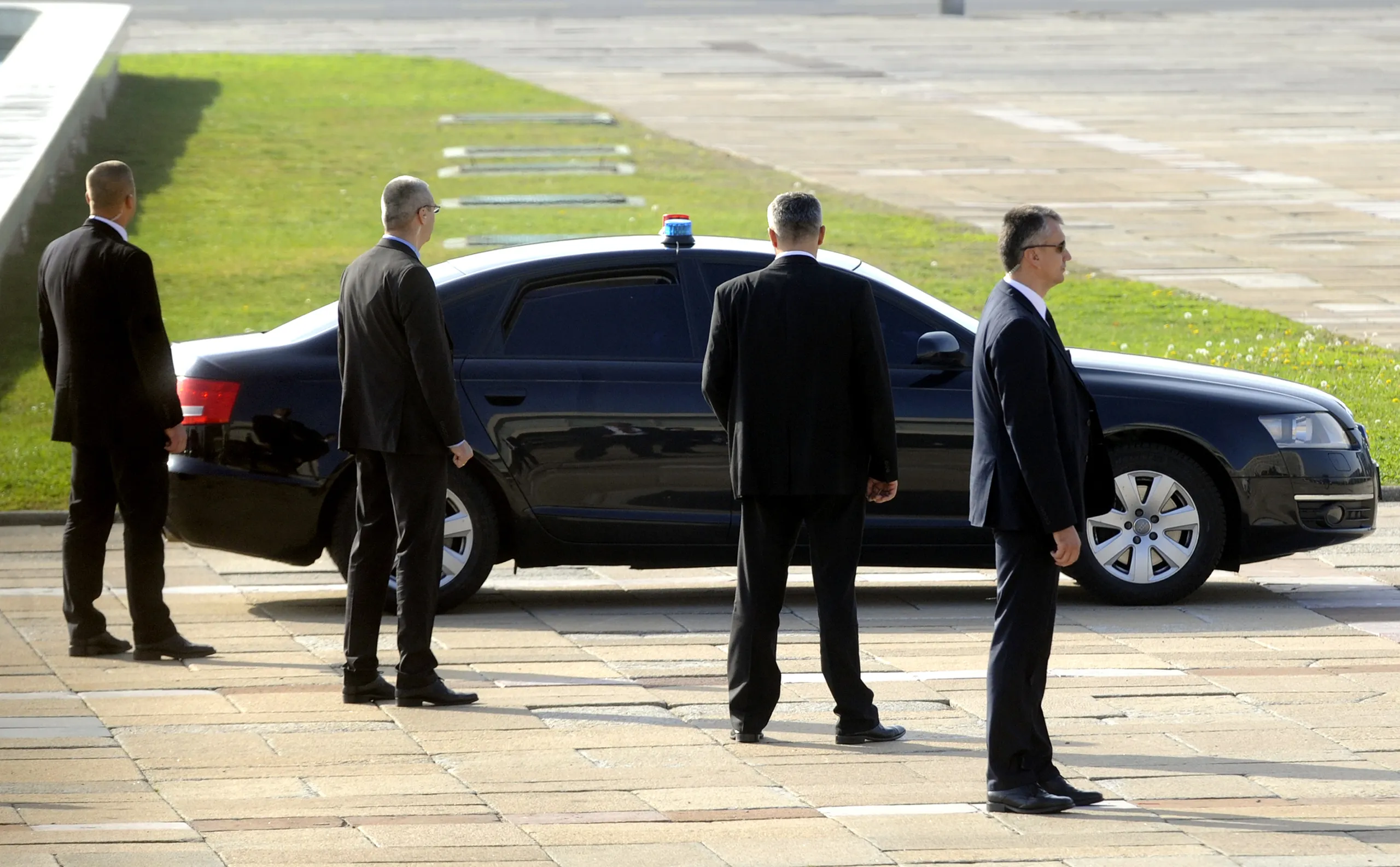
Armed robbery and carjacking targeting vehicles used by international organisations are the dominant daily crime risk in Juba. All delegate transfers must be conducted in convoy using non-descript vehicles with no organisational branding, and licensed armed guards are a standard operational measure. The fragile peace environment means that political events can produce short-notice security developments: organisers should maintain a continuously monitored security brief in the days before and during any event. Venue selection in the Tongping, Kololo and UN House areas provides the most manageable environment for international events. Source: FCDO South Sudan travel advice (2026); US State Dept South Sudan Level 4 advisory (2026).
Planning events in Juba
Licensed operators are required for all event security functions. Delegate transfer planning from Juba International Airport (5km) must include inside-terminal collection and pre-positioned vehicles in convoy. The medevac protocol to Nairobi must be contracted and confirmed before the event commences, and the political security calendar should be assessed and updated in the days immediately before each event.
For the full Juba security context, see our Juba city security briefing. Delegates requiring personal close protection at Juba events should review our close protection services for Juba.
What does event security in Juba cover?
Juba Event Landscape
Juba's international event activity is concentrated in four sectors: oil and gas, humanitarian and development, UN peacekeeping coordination and government affairs. Petronas and Dar Petroleum Operating Company, as well as CNPC, operate in South Sudan's oil fields and their representatives attend regular bilateral negotiations and compliance meetings in the capital. The UN Mission in South Sudan (UNMISS) maintains its headquarters at UN House, which is a central venue for humanitarian coordination meetings attended by UNHCR, WFP, MSF, IRC and dozens of other organisations with South Sudan programmes. The fragile peace framework established under the 2018 Revitalised Agreement on the Resolution of the Conflict in South Sudan (R-ARCSS) generates diplomatic events and technical committee meetings, often involving senior government officials and foreign diplomatic representatives. The humanitarian sector's scale in Juba means that coordination events can draw a large number of international NGO representatives, requiring crowd and access management appropriate for extended events over multiple days. Commercial conferences and investment forums are limited in number but do occur, particularly around oil-sector licensing rounds and development finance discussions.
South Sudan Private Security Licensing
Eye Radio reported on 5 August 2026 that private security companies in South Sudan are licensed and supervised by the Ministry of Interior and the South Sudan National Police Service, and that a bill to create a South Sudan Private Security Regulatory Authority was going to the Council of Ministers. No private security statute could be confirmed against a primary source on 7 October 2026. Licence verification is essential before engaging any Juba event security operator. The South Sudan National Police Service (SSNPS) and the National Security Service (NSS) maintain oversight of the security environment at major international events. Events involving senior government officials or foreign diplomatic delegations will attract NSS interest, and advance coordination with the relevant government liaison is an operational requirement. Operators working in Juba should also maintain professional relationships with UNMISS security coordination structures, which provide an additional layer of situational awareness across the city.
Fragile Peace and Residual Armed Threat
The FCDO South Sudan travel advice (2026) advises against all travel to South Sudan, the whole country (as at 25 August 2026) and highlights the risk of armed robbery, carjacking, kidnapping, and the residual potential for inter-communal and political violence. The 2018 R-ARCSS peace agreement has produced a degree of stabilisation in Juba, but armed clashes have continued in some states and the political environment remains fragile. The US State Department classifies South Sudan at Level 4 (Do Not Travel). In Juba specifically, armed robbery and carjacking targeting vehicles used by international organisations is a documented and persistent threat. This threat is highest at night and on routes between the airport, guesthouses and event venues. Vehicles used for delegate transfers must be non-descript in appearance, high in mechanical reliability, and should never carry visible branding, flags or insignia that identify the occupants as international organisation personnel. Armed guards in transfer vehicles are a standard operational measure for Juba; the authorisation for any armed personnel must be confirmed in writing.
Venue Access Control: UN House and Embassy District
UN House, on the western edge of Juba, is the primary venue for humanitarian coordination meetings. It operates its own UNDSS-managed access control system and perimeter security. For meetings held within UN House, the event security team's primary responsibility is coordination with UNDSS on access protocols, delegate registration and emergency response procedures. For events held outside UN House at hotels or conference facilities in the Tongping and Kololo residential and diplomatic districts, a dedicated event credentialling system is required. The Juba Freedom Centre, the Radisson Blu Juba and several guesthouses in the Tongping area are used for corporate and diplomatic events. Venue access control should include: photo-verified delegate credentials, vehicle access management with pre-approved vehicle lists, a sweep-and-clear protocol before each delegate session, and a designated event security command post with communications coverage across all event zones. Movement between venues should be conducted in convoy with advance route confirmation.
JUB Airport Delegate Transfers
Juba International Airport (JUB) is located approximately 5 kilometres from the city centre and the Tongping district. The arrivals process at JUB can be slow, with immigration and customs clearance sometimes taking significantly longer than at comparable airports. The terminal environment is basic and the area immediately outside the terminal perimeter requires active crowd management. An inside-terminal or near-aircraft collection protocol should be arranged in advance with the airport authority, enabling the event security team to meet delegates as close to the disembarkation point as access permits. Transfer vehicles should be pre-positioned in the designated secure area and all vehicles should be checked before each use. The transfer route from JUB to the Tongping district passes through areas where carjacking incidents have been recorded: convoy movement with communications cover is required and night arrivals should be avoided where the itinerary permits.
Medical Infrastructure and Medevac Planning
Medical infrastructure in Juba is extremely limited. The Juba Teaching Hospital is the primary public medical facility but it faces severe supply and capacity constraints. International-standard emergency or surgical care is not available in the city. The UN Medical Clinic at UN House can provide basic emergency stabilisation for UN-affiliated personnel. For all serious medical emergencies, medical evacuation is the required response. The standard medevac protocol for Juba events is evacuation to Nairobi, Kenya (approximately 1 hour by air), where Aga Khan University Hospital and Nairobi Hospital provide international-standard emergency and surgical care. Evacuation to Kampala, Uganda is an alternative for certain case types. Air charter is the most operationally reliable medevac transport from JUB given the limited commercial flight schedule. All delegates must hold insurance that explicitly covers medical evacuation from conflict-affected environments. A contracted medevac provider must be named in the event security plan and the activation protocol communicated to all team members before the event begins.
Vetted operators. Local knowledge. Proven protocols.
Sources for this page
Travel advice quoted on this page: FCDO travel advice: South Sudan; US State Department travel advisory: South Sudan. Advice changes; read the current version before travel.