
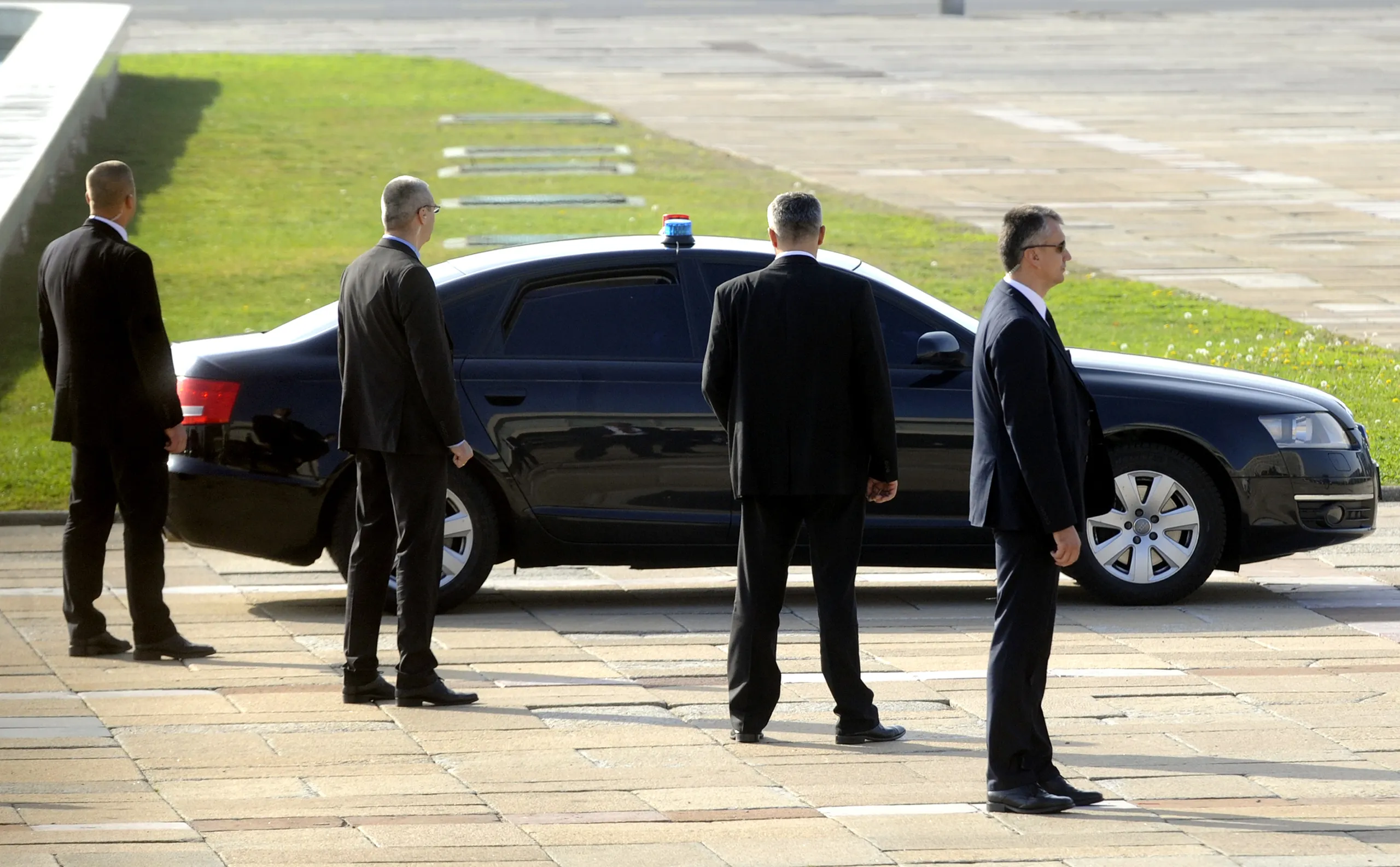
Planning travel to Zagreb? Speak with a security consultant.
Zagreb entered the Schengen Area in January 2023, completing Croatia’s integration into the EU’s free-movement zone and simplifying cross-border executive travel across Central Europe and the Adriatic region. The city has invested significantly in business and conference infrastructure, positioning itself as a MICE destination between Vienna and the Western Balkans. Personal security risk for corporate visitors is low: Croatian Police maintain a visible presence in the city centre, and violent crime rates are well below the EU average.
The practical security consideration that distinguishes Zagreb from other Central European capitals is the 2020 earthquake recovery. While the core business districts and hotel stock are fully operational, the upper town around Kaptol Cathedral retains active construction sites and some heritage buildings remain structurally compromised. Accommodation selection should favour post-2000 construction in Donji Grad. For close protection requirements, operators must be approved by the Ministry of the Interior under the Law on Private Protection (NN 16/2020). Our executive protection services can be co-ordinated with accredited Croatian partners for any visit requiring a close protection officer. For regional comparison, see our security briefings for Ljubljana and Sarajevo, which represent the range of risk environments in the immediate neighbourhood.
What are the main security threats in Zagreb?
Petty crime and vehicle theft
Croatian Police statistics (2025) record low rates of petty theft and vehicle crime in Zagreb. Pickpocketing occurs at moderate levels in the Dolac Market, Jelacic Square, and on tram routes during peak tourist season. Vehicle break-ins are reported in less-watched car parks. Standard personal security awareness and use of attended parking is sufficient.
Infrastructure damage from 2020 earthquake
A magnitude 6.2 earthquake struck Zagreb in March 2020, causing significant damage to historic buildings in the upper town (Gornji Grad) and Kaptol Cathedral area. Reconstruction is ongoing as of 2026. Some heritage buildings remain scaffolded or closed; pedestrian routes near active rebuilding sites require awareness. Core business and hotel infrastructure is fully operational.
Regional organised crime at background levels
Europol's SOCTA (2025) notes organised crime groups active across the Western Balkans, with some cross-border activity into Croatia. Targeted criminal activity is primarily in narcotics and financial crime rather than the corporate sector. Violence between criminal groups occasionally occurs in peripheral areas and does not materially affect the corporate security environment in central Zagreb.
Vetted operators with direct experience in Zagreb
What security services are available in Zagreb?
Executive Protection
Close protection for pharmaceutical, IT, and MICE sector executives attending Zagreb conferences and business meetings.
Security Drivers
Secure transfers between Zagreb Airport Franjo Tudman (ZAG, 17km) and city-centre hotels and conference venues.
Residential Security
Static guarding and access control for executive accommodation used by long-stay corporate visitors.
Risk Assessment
Pre-visit threat assessment covering the Zagreb operating environment and any regional transit requirements in the Western Balkans.
What are the rules for private security in Zagreb?
Key regulatory requirements for operating security services in Zagreb.
Firearms Policy
Croatia's Law on Private Protection (NN 16/2020) sets out in Article 36 the tasks for which security guards may carry short firearms, Article 39 covers their safe storage, and Article 56 allows a guard to use a firearm only to repel an unlawful attack that cannot be stopped another way. Ask any provider which permit covers each weapon.
Licensing
Private protection in Croatia, including the physical protection of persons, is governed by the Law on Private Protection (Zakon o privatnoj zaštiti, NN 16/2020). The Ministry of the Interior (Ministarstvo unutarnjih poslova) grants approval (odobrenje) to companies and craftsmen and permits (dopuštenje) to individual guards. Under Article 1(4), a person who wants physical protection must engage an approved company or craftsman. Ask any provider for its Ministry approval before engagement.
Foreign Operators
Under Article 4(3) of the Law on Private Protection, a company from another EU or EEA state must register a branch in Croatia, appoint a responsible person who meets the Law's conditions and keep compliant premises. Under Article 24(2), a foreign guard needs an employment contract with a licensed company, equivalent training, a health certificate and an active knowledge of Croatian. Take local legal advice before a foreign team carries out protective duties.
Sources, checked : Zakon o privatnoj zaštiti (NN 16/2020), Ministry of the Interior of Croatia.
Which areas of Zagreb carry elevated risk?
Lower-Risk Areas
- Donji Grad (Lower Town) - main business, hotel, and commercial district; well-policed, low crime
- Gornji Grad (Upper Town) - tourist and government quarter; police presence, note earthquake repair scaffolding near some historic buildings
- Kvaternik Square and Tresnjevka business areas - modern commercial zones, very low personal security risk
Elevated-Risk Areas
- Main railway station (Glavni Kolodvor) environs - moderate opportunistic theft risk; standard awareness required
- Peripheral districts (Dugave, Travno) away from city centre - lower police density; not relevant to standard corporate itineraries
Deploying to Zagreb? Get a vetted close protection detail.
Request ConsultationWho do you call in an emergency in Zagreb?
Police
192
Fire service
193
Medical emergency
194
KBC Zagreb (University Hospital Centre)
+385 1 238 8888
Emergency Services (112, the single emergency number in Croatia, alongside 192, 193 and 194)
112
What travel advisories apply to Zagreb?
- FCDO Croatia travel advice (2026) advises normal precautions for Zagreb and mainland Croatia.
- US State Department Level 1 (Exercise Normal Precautions) for Croatia (2026).
- Croatian Seismological Survey (2025) confirms elevated seismic activity in the Zagreb region following the 2020 earthquake; this does not constitute an active threat but should inform accommodation selection (prefer newer buildings with post-2000 construction).
- Zagreb Airport Franjo Tudman (ZAG) is 17km from the city centre; road transfer takes approximately 30-45 minutes depending on traffic. Standard aviation security applies.
- Medical facilities: KBC Zagreb (+385 1 238 8888) is Croatia's main university hospital with full trauma capability; Klinicka Bolnica Sveti Duh offers specialist care. Medevac to Vienna for complex specialist treatment not available in Zagreb.
Frequently Asked Questions
Is Zagreb safe for corporate and executive visitors?
What is the impact of the 2020 earthquake on executive travel to Zagreb?
What sectors bring executive visitors to Zagreb, and what security arrangements are typical?
What private security licensing applies in Croatia?
This page is published by CloseProtectionHire.com and written to editorial standards overseen by James Calloway, Senior Security Consultant (regulation, licensing, vetting and risk frameworks) and Marcus Webb, Security Operations Adviser (operational close protection, secure transport and city-specific safety).
Threat, regulatory and emergency information is sourced to named, dated authorities such as the FCDO, the US State Department and national licensing bodies. Last updated . See how we verify.