
Planning travel to Yaounde? Speak with a security consultant.
Yaounde is the political capital and second-largest city of Cameroon, with a metropolitan population of approximately 3.5 million. It is the seat of government, the centre of regulatory and administrative activity for Cameroon’s significant natural resources sector, and the base for international diplomatic missions and NGO operations. Cameroon’s economy is anchored in oil and gas (administered through the national oil company SNH and international partners including TotalEnergies), agriculture (cocoa, coffee, timber, palm oil), telecoms (MTN Cameroon and Orange Cameroon have major Yaounde operations), and financial services. International business visitors come to Yaounde for government affairs and regulatory engagement, oil sector administration, development finance, and management of the substantial international NGO and development sector presence.
The security environment for Yaounde must be understood in two distinct layers: the conditions in the city itself, and the national context that shapes overall risk planning. Within Yaounde, the primary risks are petty crime, opportunistic theft, and periodic political demonstrations. The city’s Bastos diplomatic district is substantially more stable than central commercial areas and provides a manageable base for international visitors. However, at the national level, Cameroon faces two serious armed conflicts: Boko Haram activity in the Far North region, and an ongoing Anglophone separatist conflict in the Northwest and Southwest regions that has caused significant casualties and displacement since 2017. The FCDO advises against all travel to both of these zones. The US State Department classifies Cameroon at Level 2 (Exercise Increased Caution) and designates the Far North and Anglophone regions as Level 4 (Do Not Travel) as of 2026. Visitors to Yaounde must ensure their itinerary does not transit through these zones, including domestic connections.
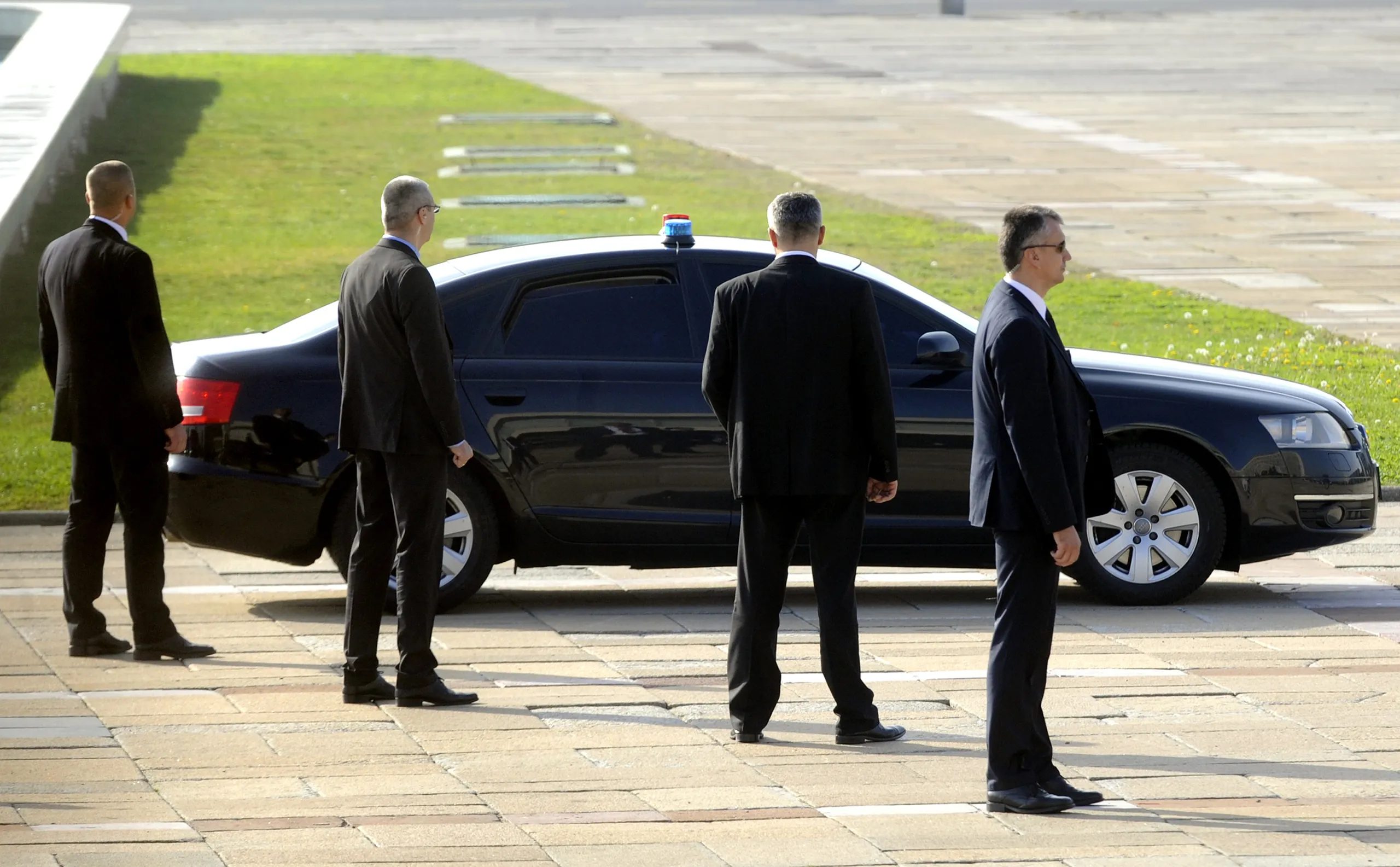
For business visitors to Yaounde, the Bastos district is the recommended operational base. Nsimalen International Airport (NSI) is approximately 25km south of the city. All airport transfers and in-city movements should use vetted security drivers. Senior executives, government-facing principals, and those in higher-profile sectors should engage close protection officers with Central Africa experience. Healthcare is limited and medical evacuation insurance is essential.
For security support in Yaounde, our bodyguard hire team provides close protection with Central Africa experience, and our security drivers page covers vetted transport. Visitors operating across West and Central Africa should also review our Abuja and Accra pages. Sources: FCDO Cameroon travel advice (2026); US State Dept Cameroon Level 2 advisory (2026); MINAT Cameroon; SNH (Societe Nationale des Hydrocarbures).
What are the main security threats in Yaounde?
Terrorism (Regional)
Boko Haram remains active in Cameroon's Far North region, conducting attacks on civilian populations, military, and civilian infrastructure. The FCDO advises against all travel to the Far North region. While Yaounde, located in the Francophone Centre region, is geographically distant from Boko Haram's primary operational area, the terrorist threat to the country as a whole is real and ongoing. Visitors should confirm their travel does not route through or near the Far North. Source: FCDO Cameroon travel advice (2026).
Anglophone Conflict (Northwest and Southwest Regions)
Cameroon's Northwest and Southwest regions (the Anglophone areas) have experienced an armed separatist conflict since 2017, in which English-speaking separatist fighters (Ambazonian Defense Forces and allied groups) have engaged in armed confrontations with Cameroonian security forces. The conflict has caused significant civilian casualties and displacement. The FCDO advises against all travel to the Northwest and Southwest regions. Yaounde is not directly affected by the Anglophone conflict, but visitors planning multi-city itineraries in Cameroon must not route through these regions. Source: FCDO Cameroon travel advice (2026).
Petty Crime and Opportunistic Theft
Yaounde itself experiences petty crime including pickpocketing, bag snatching, and opportunistic theft, particularly in crowded areas such as the central market (Marche Central), Briqueterie, and around transport terminals. Smash-and-grab incidents targeting vehicles in traffic are documented. Night-time robbery risk is elevated in commercial areas beyond the Bastos diplomatic district. Business visitors should maintain street awareness and travel by vetted private transport at all times.
Political Demonstrations
Political demonstrations occur periodically in Yaounde, including protests linked to the Anglophone crisis and general political discontent. Demonstrations can become confrontational and may attract a significant security force response. Monitor local conditions and avoid all political gatherings. Source: US State Dept Cameroon Level 2 advisory (2026).
Vetted operators with direct experience in Yaounde
What security services are available in Yaounde?
Security Drivers
Vetted, licensed security drivers for airport transfers and in-city movement.
Bodyguard Hire
Close protection officers for senior principals and visiting executives.
Executive Protection
Structured EP programmes for principals with elevated risk profiles.
Risk Assessment
Pre-travel security assessment covering the current threat environment.
What are the rules for private security in Yaounde?
Key regulatory requirements for operating security services in Yaounde.
Firearms Policy
The rules on whether private security staff in Cameroon may carry firearms could not be confirmed against a primary source on 7 October 2026. Ask any provider which permit covers each weapon, and take local legal advice before engagement.
Licensing
Private security in Cameroon is governed by Law No. 97/021 of 10 September 1997 on private security activities, amended in 2014. A company needs an agrément granted by presidential decree, and the Ministry of Territorial Administration authorises its operations. Ask any provider for its agrément before engagement.
Foreign Operators
Rules for foreign security companies and personnel in Cameroon could not be confirmed against a primary source on 7 October 2026. Take local legal advice before a foreign team carries out protective duties.
Sources, checked : EcoMatin, Cameroon has 16 new private security companies, presidential agréments of 4 February 2021 (11 February 2021); Camer.be, promoters of security companies warned, Law No. 97/021 and MINATD authorisations (5 September 2016).
Which areas of Yaounde carry elevated risk?
Lower-Risk Areas
- Bastos: The diplomatic district of Yaounde. Contains embassies, international NGO offices, international-standard hotels, and higher-income residential areas. The safest zone in Yaounde for international visitors and the recommended operational base.
- Nlongkak/Quartier Fouda: Adjacent to Bastos, contains additional diplomatic residences and business facilities; moderate security profile.
Elevated-Risk Areas
- Centre Ville (central business district): The commercial centre is active during business hours but carries elevated petty crime risk. Avoid after dark.
- Briqueterie: Commercial neighbourhood with higher petty theft and opportunistic robbery risk. Not on standard business itineraries.
- Mvog-Mbi: Elevated crime risk; avoid without local security support.
Deploying to Yaounde? Get a vetted close protection detail.
Request ConsultationWho do you call in an emergency in Yaounde?
Police Emergency
117
Fire Emergency
118
Ambulance
119
Centre Hospitalier et Universitaire de Yaounde
+237 222 23 3085
British High Commission Yaounde
+237 222 220 545
What travel advisories apply to Yaounde?
- THE FCDO ADVISES AGAINST ALL TRAVEL to Cameroon's Far North region (Boko Haram) and to the Northwest and Southwest regions (Anglophone armed conflict). Visitors to Yaounde must not route through these areas. Confirm your entire itinerary avoids FCDO against-all-travel zones. Source: FCDO Cameroon travel advice (2026).
- The US State Department classifies Cameroon at Level 2 (Exercise Increased Caution) and designates the Far North, Northwest, and Southwest regions as Level 4 (Do Not Travel) as of 2026. Source: US State Dept Cameroon travel advisory (2026).
- Nsimalen International Airport (NSI) is approximately 25km south of Yaounde city centre. The airport transfer should be pre-arranged with a vetted security driver. Do not use informal taxis at the terminal. The road between the airport and the city passes through areas with varying crime risk after dark.
- Healthcare in Yaounde is limited by international standards. The Centre Hospitalier et Universitaire de Yaounde (CHU) provides the main public hospital care; private clinics including the Clinique de la Cathedrale provide better-resourced care for routine conditions. For serious trauma or complex medical conditions, medical evacuation to South Africa or Europe is the appropriate response. Confirm medical evacuation insurance before travel.
Frequently Asked Questions
Is Yaounde itself affected by the terrorism and armed conflict affecting other parts of Cameroon?
What industries bring international business visitors to Yaounde?
How do I travel safely between Yaounde and Douala?
What is the MINAT licensing framework for private security in Cameroon?
Which hotel zone in Yaounde is recommended for international visitors?
This page is published by CloseProtectionHire.com and written to editorial standards overseen by James Calloway, Senior Security Consultant (regulation, licensing, vetting and risk frameworks) and Marcus Webb, Security Operations Adviser (operational close protection, secure transport and city-specific safety).
Threat, regulatory and emergency information is sourced to named, dated authorities such as the FCDO, the US State Department and national licensing bodies. Last updated . See how we verify.