
Planning travel to Yangon? Speak with a security consultant.
Yangon is Myanmar’s former capital and largest city, the commercial and operational hub for the country’s economy. Before the February 2021 military coup, it was a significant destination for energy sector investment, NGO operations, and development finance. The security environment has changed fundamentally since. Yangon in 2026 is a high-complexity operating environment defined by civil conflict, arbitrary detention risk, sanctions compliance requirements, and the breakdown of normal rule of law.
The security landscape post-coup
Myanmar’s security environment since the military coup is categorically different from what existed before 2021. The FCDO advises against all travel to parts of Myanmar and against all but essential travel to other parts, though Yangon is not in any listed area (updated 4 August 2026). The combination of active civil conflict in multiple states, arbitrary detention risk for foreign nationals, checkpoint unpredictability in Yangon itself, and the complete absence of independent legal recourse creates a high-complexity operating environment that demands preparation well beyond standard corporate security measures.
The category of organisations with legitimate operational reasons to maintain a Yangon presence is narrow: humanitarian bodies providing essential services, energy sector companies with existing investments and legal obligations, some diplomatic missions, and a small number of development finance institutions. All require substantial security infrastructure and regular, current threat assessment.
Detention risk: the defining consideration
For many foreign nationals in Myanmar, arbitrary detention is a more immediate risk than physical violence. The SAC has detained NGO workers, journalists, and business people on charges that include unlawful association, incitement, and support for pro-democracy resistance movements. The legal system is not independent, consular access is not guaranteed, and conditions of detention are poor.
Any pre-deployment assessment for Yangon must treat detention risk as a first-order consideration rather than a secondary factor. The profile indicators for elevated detention risk – media connections, civil society relationships, previous public statements on Myanmar, and any contact with resistance-affiliated individuals – must be evaluated before deployment.
Sanctions compliance as a security concern
UK, US, and EU sanctions on the SAC and associated entities create a legal exposure risk that operates alongside the physical security environment. Commercial activities in Myanmar carry the risk of inadvertent engagement with sanctioned parties. Organisations maintaining Myanmar operations must conduct and document ongoing sanctions screening and ensure that legal review is current before any commercial engagement. The security team’s role is to ensure that physical security planning does not create inadvertent proximity to sanctioned actors or entities.
Communications security
The SAC maintains active monitoring of communications infrastructure. All standard electronic communications channels should be treated as potentially compromised. Encrypted messaging apps, device hygiene (including the use of dedicated travel devices), and face-to-face briefings for operationally sensitive information are the standard operating practice for any organisation with Myanmar operations.
Our operations in Yangon
We support a limited category of organisations with essential operations requiring Yangon presence. Our operators have current Myanmar operational experience and understand the post-coup operating environment, the checkpoint system, and the emergency extraction requirements. All Yangon assignments include a detention-risk assessment, a sanctions compliance review, and an emergency extraction plan.
For regional context see our Bangkok city page and Singapore city page.
Source: FCDO Myanmar travel advisory (April 2026). UK sanctions on Myanmar SAC. US OFAC Myanmar sanctions. EU Myanmar sanctions. OSAC Myanmar Country Security Report 2025. UN Special Rapporteur on Myanmar 2025 report.
What are the main security threats in Yangon?
Military Coup and Civil Conflict
Myanmar's military junta (SAC) seized power in February 2021. The country has been in civil conflict since, with armed resistance groups including the People's Defence Force (PDF) and ethnic armed organisations fighting the military across multiple states and regions. While the primary conflict is outside Yangon, the capital has experienced targeted killings, bombings, and security crackdowns. The FCDO advises against all travel to parts of Myanmar and against all but essential travel to other parts; Yangon is not in any listed area (updated 4 August 2026).
Arbitrary Detention
The SAC has detained foreign nationals including journalists, NGO workers, and business people on charges of supporting anti-government activities. The legal system is not independent under junta control. Detention can occur on minimal evidence, consular access is not guaranteed, and conditions of detention are poor. This is the primary risk for many foreign nationals and must be assessed before any deployment.
Sanctions Compliance
The UK, US, and EU have imposed sanctions on the SAC and associated entities. Commercial activities in Myanmar carry the risk of inadvertent engagement with sanctioned individuals or entities. Organisations maintaining Myanmar operations must conduct and document ongoing sanctions screening. This is a legal exposure risk that operates alongside the physical security risk.
Armed Crime and Civil Disorder
The breakdown of rule of law since the coup has increased opportunistic crime in Yangon. Armed robbery, carjacking, and unpredictable military and police checkpoints create a volatile ground-level environment. Unannounced checkpoint operations can delay or complicate movement significantly.
Vetted operators with direct experience in Yangon
What security services are available in Yangon?
Executive Protection
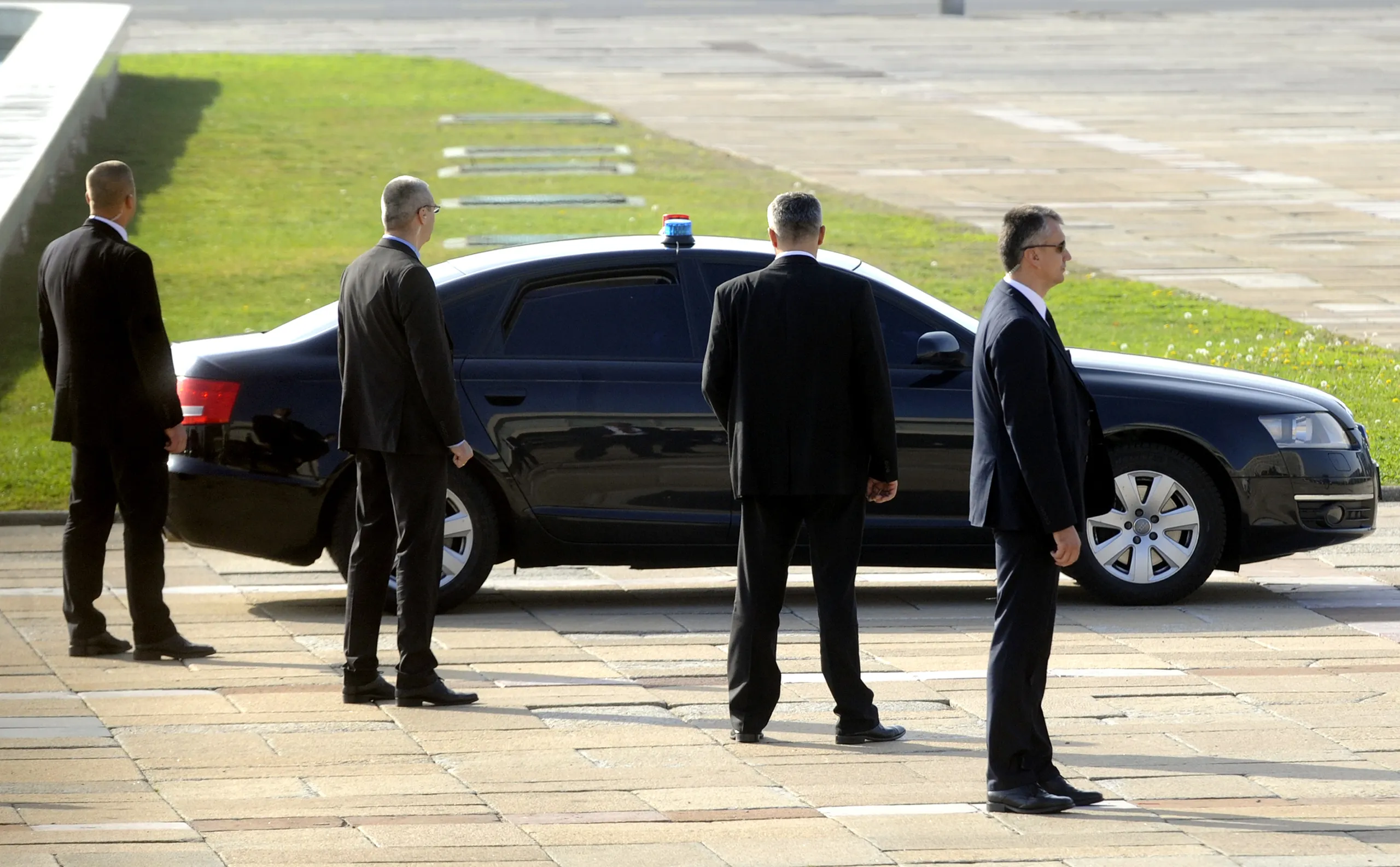
Close protection for senior NGO directors, energy sector principals, and humanitarian coordination staff with essential operations requiring presence in Yangon.
Security Drivers
Vetted security drivers with current knowledge of Yangon checkpoint patterns, high-risk routes, and the rapidly changing security environment.
Residential Security
Security assessment and hardening for NGO compound and expatriate residences, including protocols for lockdown and emergency extraction.
Risk Assessment
Pre-deployment risk assessments for organisations considering or maintaining operations in Myanmar, covering detention risk, conflict status, NGO operating environment, and sanctions compliance factors.
What are the rules for private security in Yangon?
Key regulatory requirements for operating security services in Yangon.
Firearms Policy
Under the Private Security Services Law, a licence holder may carry arms and ammunition only with the approval of the Central Supervisory Committee, and under the existing arms law and its rules. Businesses holding only a permit to employ their own security staff may not hold firearms.
Licensing
Private security services in Myanmar are regulated by the Private Security Services Law, State Administration Council Law No. 4/2025 of 18 February 2025. The Central Supervisory Committee on Private Security Services, chaired by the Union Minister for Home Affairs, oversees licensing, and the Ministry of Home Affairs implements the law. Existing providers had 6 months from enactment to obtain a licence.
Foreign Operators
A foreign company may provide private security services if it is registered under the Myanmar Companies Law, but at least 75 per cent of the security staff it hires must be Myanmar citizens. Foreign staff need a clear criminal record from their own country and must not be serving armed forces members. Take local legal advice, including on sanctions, before any engagement.
Sources, checked : Lincoln Legal Services (Myanmar), Private Security Services Law (SAC Law No. 4/2025), English translation text.
Which areas of Yangon carry elevated risk?
Lower-Risk Areas
- Bahan and Kamaryut townships: Traditional expatriate areas with better infrastructure and some security infrastructure.
- Major international hotel compounds: Hotels maintain their own security perimeters and are generally the safest accommodation option for visiting principals.
Elevated-Risk Areas
- Downtown Yangon near government buildings: Checkpoint concentration, periodic demonstrations and crackdowns.
- Hledan and Insein areas: Periodic security incidents, protests, and junta security operations.
- All road movement: Checkpoint system is unpredictable and can complicate movement at any time.
Deploying to Yangon? Get a vetted close protection detail.
Request ConsultationWho do you call in an emergency in Yangon?
Police (operational in Yangon, Nay Pyi Taw and Mandalay only; few officers speak English)
199
Fire department (operational in Yangon, Nay Pyi Taw and Mandalay only)
191
UK Embassy Yangon
+95 1 380 322
US Embassy Rangoon
+95 1 753 6509
Asia Royal Hospital (private, 24h emergency, 14 Baho Road, Sanchaung Township)
+95 1 753 8055
Pun Hlaing Siloam Hospital emergency ambulance (Hlaing Tharyar Township)
+95 1 368 4411
International SOS Clinic Yangon (Inya Lake Hotel, 37 Kaba Aye Pagoda Road)
+95 1 657 922
Samitivej International Clinic at Parami Hospital, medical evacuation desk (24h)
+95 9 31911541
Yangon General Hospital (public, Bogyoke Aung San Road, Latha Township)
+95 1 825 6112
Bumrungrad Clinic Yangon (referral clinic of Bumrungrad International, 77 Pyidaungsu Yeiktha Road, Dagon Township)
+95 1 230 2420
Ambulance and rescue service (state line; ambulances are frequently unavailable, so a private vehicle to a private hospital is usually the faster route)
192
What travel advisories apply to Yangon?
- The FCDO advises against all travel to parts of Myanmar and against all but essential travel to other parts; Yangon is not in any listed area (updated 4 August 2026). Before deploying any personnel to Yangon, obtain sign-off at the highest organisational level and ensure full legal review of operations under current UK, US, and EU sanctions frameworks.
- Assume all communications in Myanmar are monitored by the SAC. Do not use standard communications channels for any operationally sensitive discussion. Use encrypted communications and treat all standard channels as compromised.
- Any business activity in Myanmar must be reviewed against UK, US, and EU sanctions on the SAC and associated entities. Inadvertent sanctions violations create serious legal exposure for both organisations and individuals.
- Consular access for detained foreign nationals is not guaranteed under the current junta. Register with your embassy before arrival and maintain regular check-in protocols.
Frequently Asked Questions
Should organisations continue operations in Myanmar after the 2021 coup?
What does the detention risk look like for foreign nationals in Yangon?
What security infrastructure exists for organisations that must maintain Yangon operations?
How does sanctions compliance interact with security planning in Myanmar?
What emergency extraction planning is required for Yangon assignments?
This page is published by CloseProtectionHire.com and written to editorial standards overseen by James Calloway, Senior Security Consultant (regulation, licensing, vetting and risk frameworks) and Marcus Webb, Security Operations Adviser (operational close protection, secure transport and city-specific safety).
Threat, regulatory and emergency information is sourced to named, dated authorities such as the FCDO, the US State Department and national licensing bodies. Last updated . See how we verify.