
Planning travel to Wuhan? Speak with a security consultant.
Wuhan is the capital of Hubei Province and one of China’s largest industrial cities by output, serving as the national centre for automotive manufacturing, optoelectronics, and heavy engineering. With a population exceeding 12 million, it is among China’s ten largest cities and hosts significant foreign direct investment from major automotive groups. The security environment is assessed as low to moderate for business visitors, with the primary risks being business intelligence exposure and the legal framework specific to operating in China rather than street crime.
The Wuhan operating environment
Wuhan’s risks for international business visitors are China-specific rather than city-specific: PSB oversight, the digital surveillance environment, exit ban risk for executives in commercial disputes, and the counter-intelligence considerations applicable across China’s industrial centres. State Council Decree No. 564 (2009) governs commercial security operations.
Security in Wuhan
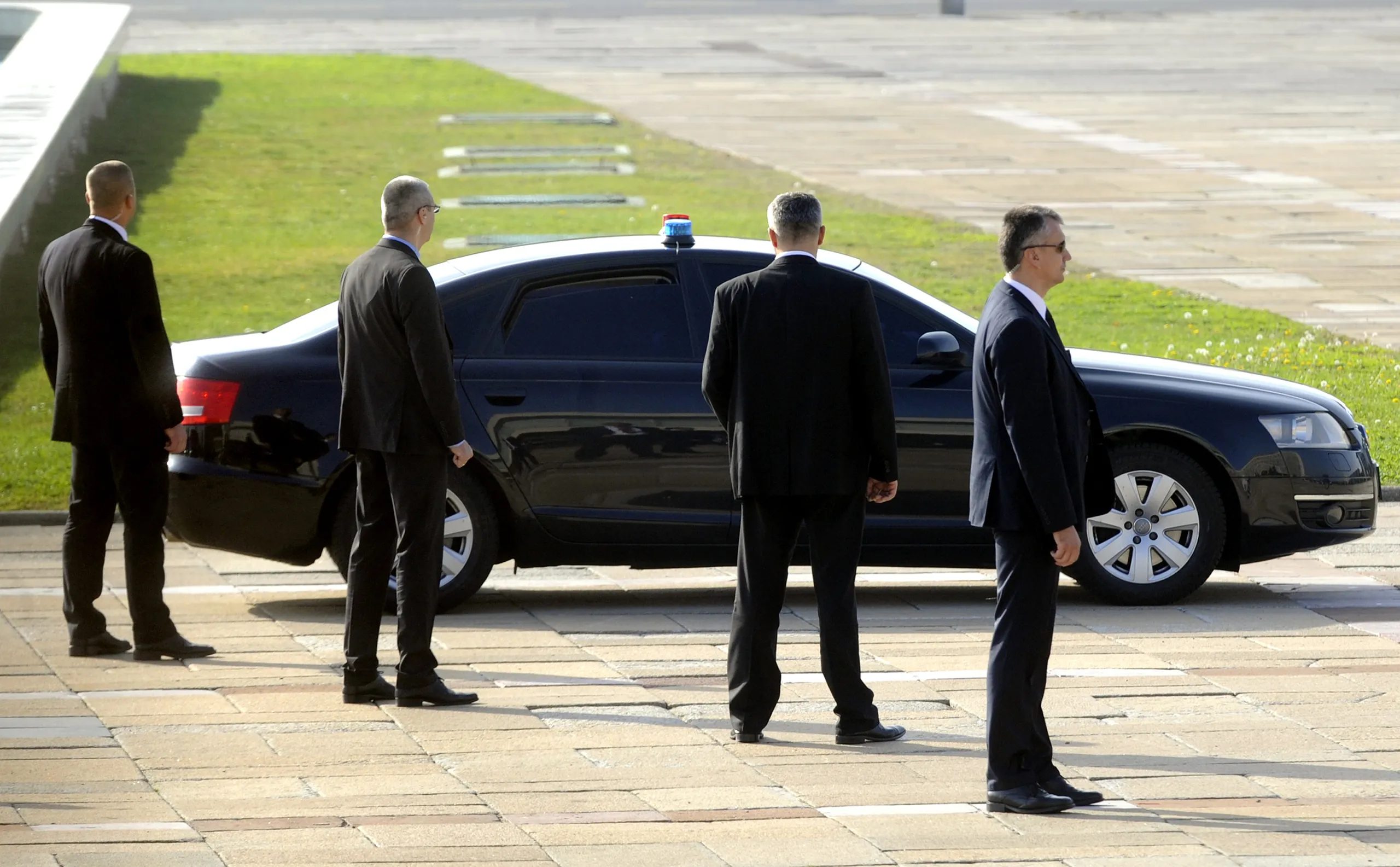
PSB-compliant vetted drivers and operations controller oversight are the appropriate baseline for executive movement in Wuhan. Business intelligence briefing before any visit to the automotive or advanced manufacturing zones is a standard precaution.
For executive security in Wuhan, see our close protection officers and secure airport transfers.
What are the main security threats in Wuhan?
Business Intelligence and Counter-Intelligence
Wuhan is a significant industrial and automotive manufacturing centre with major foreign direct investment in the automotive sector (Dongfeng-Honda, Dongfeng-Nissan, SAIC-GM). Principals from automotive, advanced manufacturing, and technology sectors should treat Wuhan as a business intelligence-sensitive environment. Counter-intelligence awareness and digital device discipline are appropriate precautions.
Legal and Regulatory Risk
China's National Security Law, Data Security Law, and Personal Information Protection Law create legal exposure for foreign executives conducting due diligence, competitive intelligence gathering, or meetings with individuals who may have opposition associations. China's exit ban mechanism allows the Ministry of Public Security to prevent departure during investigations. Source: UK FCDO China travel advice.
Digital Surveillance Environment
Wuhan, like all major Chinese cities, operates an extensive digital surveillance infrastructure. CCTV coverage in public areas is near-universal. Digital communications on Chinese networks are subject to monitoring. Principals should brief on digital hygiene practices before any Wuhan visit.
Vetted operators with direct experience in Wuhan
What security services are available in Wuhan?
Security Drivers
PSB-compliant vetted drivers for Tianhe Airport transfers and in-city business movement in Wuhan.
Executive Protection
Close protection arrangements for senior executives visiting Wuhan's automotive and industrial sector partners. Operates within the State Council Decree No. 564 legal framework.
Risk Assessment
Pre-travel risk assessment covering Wuhan's business intelligence environment, legal risk under Chinese data and security laws, and digital hygiene briefing.
What are the rules for private security in Wuhan?
Key regulatory requirements for operating security services in Wuhan.
Firearms Policy
Under the Regulation on the Administration of Security Services, guns may be used only by security guards on armed guarding and escort duties, under the regulations on the use of firearms by full-time guards and escorts (article 29). A company offering armed guarding and escort must be wholly state-owned or at least 51% state-owned and have registered capital of at least CNY 10 million (article 10). The Regulation gives no route for armed close protection.
Licensing
Security service companies are licensed under the Regulation on the Administration of Security Services, State Council Decree No. 564 of 13 October 2009 (in force 1 January 2010, amended 2020 and 2022). An application goes to the city public security bureau, and the provincial-level public security authority decides and issues the security service licence (article 9). The Ministry of Public Security supervises nationally and local public security organs within their areas (article 3). Individual guards need a security guard certificate, issued after an examination by the city public security bureau (article 16). For this city the licence is issued by the Hubei provincial public security department.
Foreign Operators
Article 16 limits the security guard certificate to Chinese citizens, so a foreign company cannot deploy its own staff as certified guards. Under article 22, as amended in 2020, key public-security units designated by city governments may not hire foreign-invested security companies. The Regulation sets out no other route for foreign operators. International clients normally engage a licensed Chinese company. Take local legal advice before a foreign team carries out protective duties.
Sources, checked : Regulation on the Administration of Security Services, State Council Decree No. 564 (gov.cn); State Council Decree No. 732 (2020), amending article 22; State Council Decree No. 752 (2022), amending the training provisions.
Which areas of Wuhan carry elevated risk?
Lower-Risk Areas
- Wuhan Economic and Technological Development Zone (WEDZ): Automotive manufacturing district hosting Dongfeng Motor Group and joint ventures. Primary corporate operating zone for automotive sector visitors.
- Jiefang Avenue and Jianghan District CBD: Central business district with major hotels and commercial banks.
- Optical Valley (East Lake High-Tech Development Zone): Technology and optoelectronics cluster. Secondary corporate operating zone.
- Wuhan International Expo Centre Area: Convention and event zone north of East Lake.
Elevated-Risk Areas
- Wuchang old city peripheral areas at night: General crime risk is low but standard urban precautions apply.
- Hankou Old Concession Area: Historic district with pedestrian density and some petty crime risk.
Deploying to Wuhan? Get a vetted close protection detail.
Request ConsultationWho do you call in an emergency in Wuhan?
Emergency (Police/Fire/Ambulance)
110 / 119 / 120
Wuhan Union Hospital
+86 27 8572 6114
Wuhan Tongji Hospital (International)
+86 27 8366 3163
British Consulate-General Chongqing (nearest to Wuhan)
+86 23 6369 1000
US Consulate General Wuhan (closed 2020 -- US Embassy Beijing)
+86 10 8531 3000
What travel advisories apply to Wuhan?
- The US Consulate General in Wuhan was closed by the Chinese government in 2020. US citizens in Wuhan should register with the US Embassy in Beijing and are covered by the Chengdu Consulate General for consular emergencies. British nationals should contact the Chongqing Consulate-General.
- China's exit ban mechanism can prevent foreign nationals from leaving during commercial disputes or investigations. Executives involved in complex transactions or regulatory engagement should assess this risk before travel.
- Digital devices taken into China should be treated as potentially exposed to access. VPN use is subject to Chinese law and available VPN services change. Brief on digital hygiene before travel.
- Wuhan's summers are extremely hot and humid; outdoor events and walking significant distances in summer months require heat management planning.
Frequently Asked Questions
What sectors bring business visitors to Wuhan?
Is Wuhan a high-risk destination for business travel?
How far is Wuhan Tianhe Airport from the city centre?
What digital security precautions apply in Wuhan?
This page is published by CloseProtectionHire.com and written to editorial standards overseen by James Calloway, Senior Security Consultant (regulation, licensing, vetting and risk frameworks) and Marcus Webb, Security Operations Adviser (operational close protection, secure transport and city-specific safety).
Threat, regulatory and emergency information is sourced to named, dated authorities such as the FCDO, the US State Department and national licensing bodies. Last updated . See how we verify.