
Planning travel to Windhoek? Speak with a security consultant.
Windhoek is the capital and largest city of Namibia, a vast and sparsely populated southern African country of approximately 2.6 million people occupying 825,000 square kilometres. Namibia is among Africa’s more stable and transparent governance environments, consistently ranking well on Transparency International and Ibrahim Index measures. The economy is anchored in mining (diamonds, uranium, copper, zinc), fishing through the port of Walvis Bay, and tourism, with Windhoek as the centre for government affairs, regulatory engagement, and corporate administration.
The security environment in Windhoek is low risk by regional standards. The FCDO advises normal precautions for Namibia. The US State Department classifies Namibia at Level 2 (Exercise Increased Caution). Vehicle break-ins, petty theft in commercial areas, and robbery in outer residential areas after dark are the relevant risks; the organised criminal targeting of international business visitors that characterises higher-risk African capitals is not a documented feature of Windhoek. Standard urban precautions and vetted transport for all movements are appropriate for business visitors. Source: FCDO Namibia travel advice (2026); US State Dept Namibia Level 2 travel advisory (2026).
For regional context and the primary South African aviation and medical hub, Cape Town is approximately 2 hours by air and Johannesburg 2 to 2.5 hours. Hosea Kutako International Airport (WDH) is approximately 42km east of the city centre.
What are the main security threats in Windhoek?
Petty Crime and Vehicle Theft
Windhoek has a higher crime rate than the country average, with vehicle break-ins, opportunistic theft from unattended vehicles, and petty crime in commercial areas representing the primary risks for international visitors. The Independence Avenue central business district and the Post Street Mall area have elevated petty theft. Standard urban precautions apply. Source: FCDO Namibia travel advice (2026).
Robbery in Less-Frequented Areas
Armed robbery and muggings occur in outer residential areas of Windhoek and in townships including Katutura at night. Business visitors should avoid these areas after dark and use vetted transport for all movements outside the main commercial and diplomatic zones.
Road Safety for Regional Travel
Road travel outside Windhoek, including to mine sites in the Namib Desert, Erongo region, or Orange River corridor, carries road safety risk from single-lane roads, sand and gravel surfaces, and wildlife. Regional travel by road requires appropriate vehicle selection and experienced drivers.
Vetted operators with direct experience in Windhoek
What security services are available in Windhoek?
Security Drivers
Vetted drivers for airport transfers from Hosea Kutako International Airport (WDH) and all in-city corporate movement in Windhoek.
Bodyguard Hire
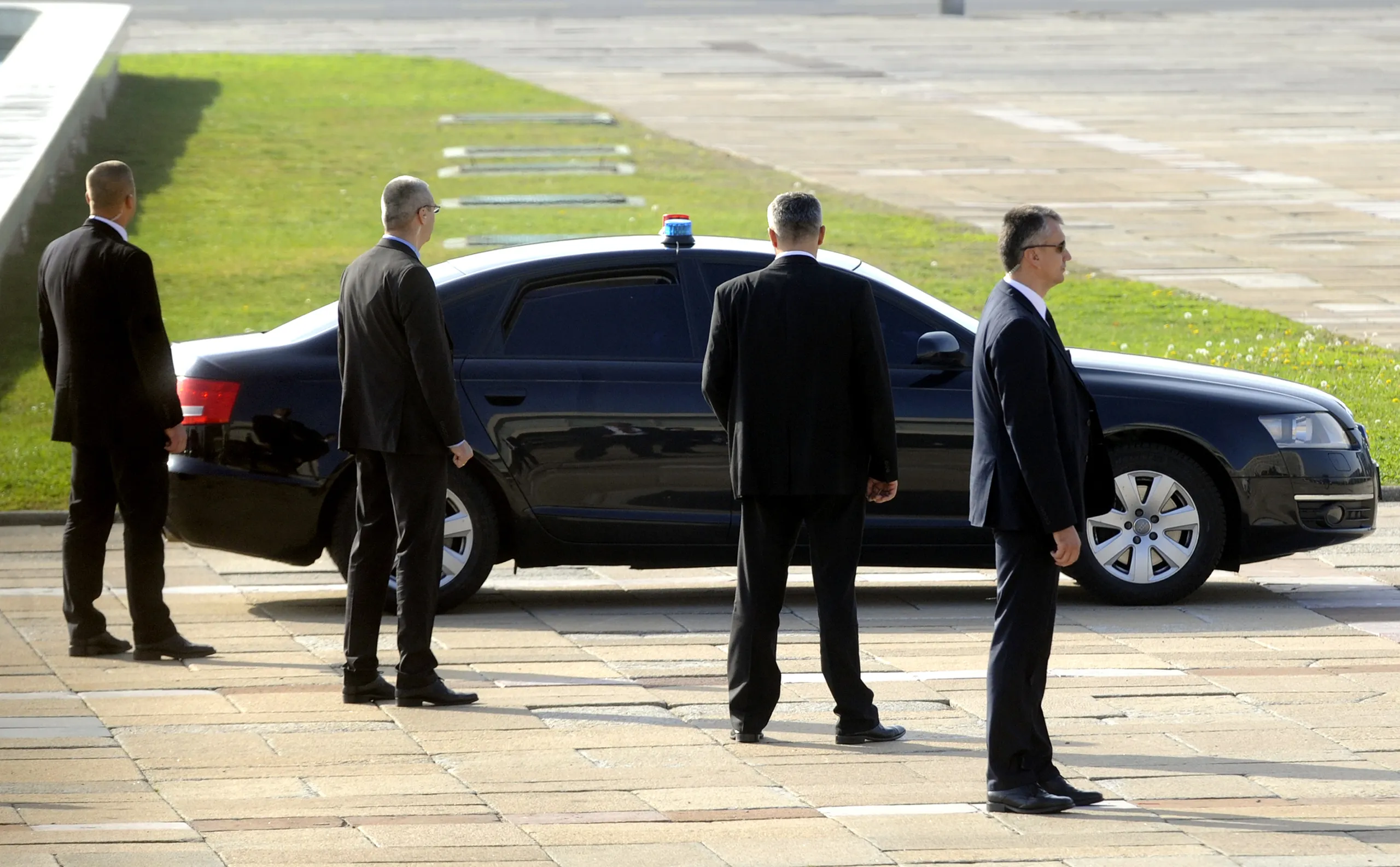
Close protection for mining sector executives, senior government affairs visitors, and principals requiring personal security in Namibia.
Executive Protection
Discreet EP for principals with sustained Windhoek presence, particularly those in the diamond, uranium, and critical minerals sectors.
Risk Assessment
Pre-visit security assessment covering the Windhoek operating environment and any specific sector threat assessment.
What are the rules for private security in Windhoek?
Key regulatory requirements for operating security services in Windhoek.
Firearms Policy
The Security Enterprises and Security Officers Act, 1998 contains no provisions on firearms, and the rules on whether private security staff in Namibia may carry them could not be confirmed against a primary source on 7 October 2026. Ask any provider which permit covers each weapon, and take local legal advice before engagement.
Licensing
Private security in Namibia is governed by the Security Enterprises and Security Officers Act, 1998 (Act 19 of 1998), as amended to 2015. Security enterprises and security officers must register with the Security Enterprises and Security Officers Regulation Board (SESORB) under section 14, and the Act's definition of a security service includes making staff available to protect people. Ask any provider for its SESORB registration and that of each officer before engagement.
Foreign Operators
The Act sets no separate rule for foreign security companies: any enterprise or officer providing a security service in Namibia must register with SESORB. Take local legal advice before a foreign team carries out protective duties.
Sources, checked : Security Enterprises and Security Officers Act, 1998 (Act 19 of 1998), NamibLII.
Which areas of Windhoek carry elevated risk?
Lower-Risk Areas
- Klein Windhoek: the primary expatriate and diplomatic residential area with the main corporate and hospitality infrastructure. The appropriate base for international business visitors.
- CBD and Ausspannplatz: the central commercial district with government offices, international bank branches, and conference facilities.
- Ludwigsdorf: upper residential area used by diplomatic personnel and senior expatriate staff.
Elevated-Risk Areas
- Katutura township: elevated robbery and crime risk after dark.
- Outer commercial areas after dark: standard elevated urban risk applies.
Deploying to Windhoek? Get a vetted close protection detail.
Request ConsultationWho do you call in an emergency in Windhoek?
Police
10111
Fire and Ambulance (City of Windhoek)
211111
Mediclinic Windhoek
+264 61 222 687
Rhino Park Private Hospital
+264 61 375 000
What travel advisories apply to Windhoek?
- Windhoek carries moderate urban crime risk by international standards. Vehicle break-ins and petty theft are the primary concerns in commercial areas. Avoid Katutura and outer areas after dark. Source: FCDO Namibia travel advice (2026).
- The US State Department advises increased caution for Namibia (Level 2). Source: US State Dept Namibia travel advisory (2026).
- Hosea Kutako International Airport (WDH) is approximately 42km east of central Windhoek, a transfer of 35 to 50 minutes under normal conditions. Pre-arrange transfers with a vetted driver.
- For travel to Namibian mining sites (Erongo uranium belt, Namdeb diamond operations, the Skorpion zinc mine), a route security assessment and appropriate vehicle are required. These are not part of standard Windhoek city security planning and must be assessed separately.
Frequently Asked Questions
Is Windhoek safe for business travel?
Which industries bring international visitors to Windhoek?
How far is Hosea Kutako Airport from Windhoek?
What medical facilities are available in Windhoek?
This page is published by CloseProtectionHire.com and written to editorial standards overseen by James Calloway, Senior Security Consultant (regulation, licensing, vetting and risk frameworks) and Marcus Webb, Security Operations Adviser (operational close protection, secure transport and city-specific safety).
Threat, regulatory and emergency information is sourced to named, dated authorities such as the FCDO, the US State Department and national licensing bodies. Last updated . See how we verify.