
Planning travel to Washington DC? Speak with a security consultant.
Washington DC is the US political capital and home to the federal government, Congress, the Supreme Court, and the headquarters of major regulatory agencies, lobbying organisations, policy institutes, and international financial institutions. Major corporate and foreign government engagement with the US government takes place in DC. Its security environment is shaped fundamentally by its political function, which creates threat profiles distinct from those of commercial cities.
A politically shaped threat environment
DC’s defining security characteristic is its political function. The concentration of government officials, foreign diplomats, and policy influencers creates an elevated political threat environment relative to other US cities. Threats directed at political figures and organisations, from both domestic extremists and foreign state actors, are a documented and recurring feature. For politically engaged principals – those whose policy positions, affiliations, or public advocacy create specific exposure – the threat profile in DC is genuinely different from what the same individual would face in a commercial city.
For standard corporate visits, by contrast, DC operates as a broadly functional US city. The distinction between these two categories of visitor is the central planning consideration: the security requirements for a board meeting are modest, while those for a principal engaged in contentious policy matters can be substantial.
The protest environment
DC is the primary location for national political demonstrations in the US, and large-scale protests near the White House, Capitol Hill, and the National Mall are frequent. The events of January 6, 2021 demonstrated that the DC protest environment can escalate to serious violence rapidly, and that the area around the Capitol is a genuine flashpoint. Security planning for events near these locations now routinely includes monitoring of scheduled demonstrations, assessment of the current political temperature, and contingency plans for rapid relocation.
Federal coordination
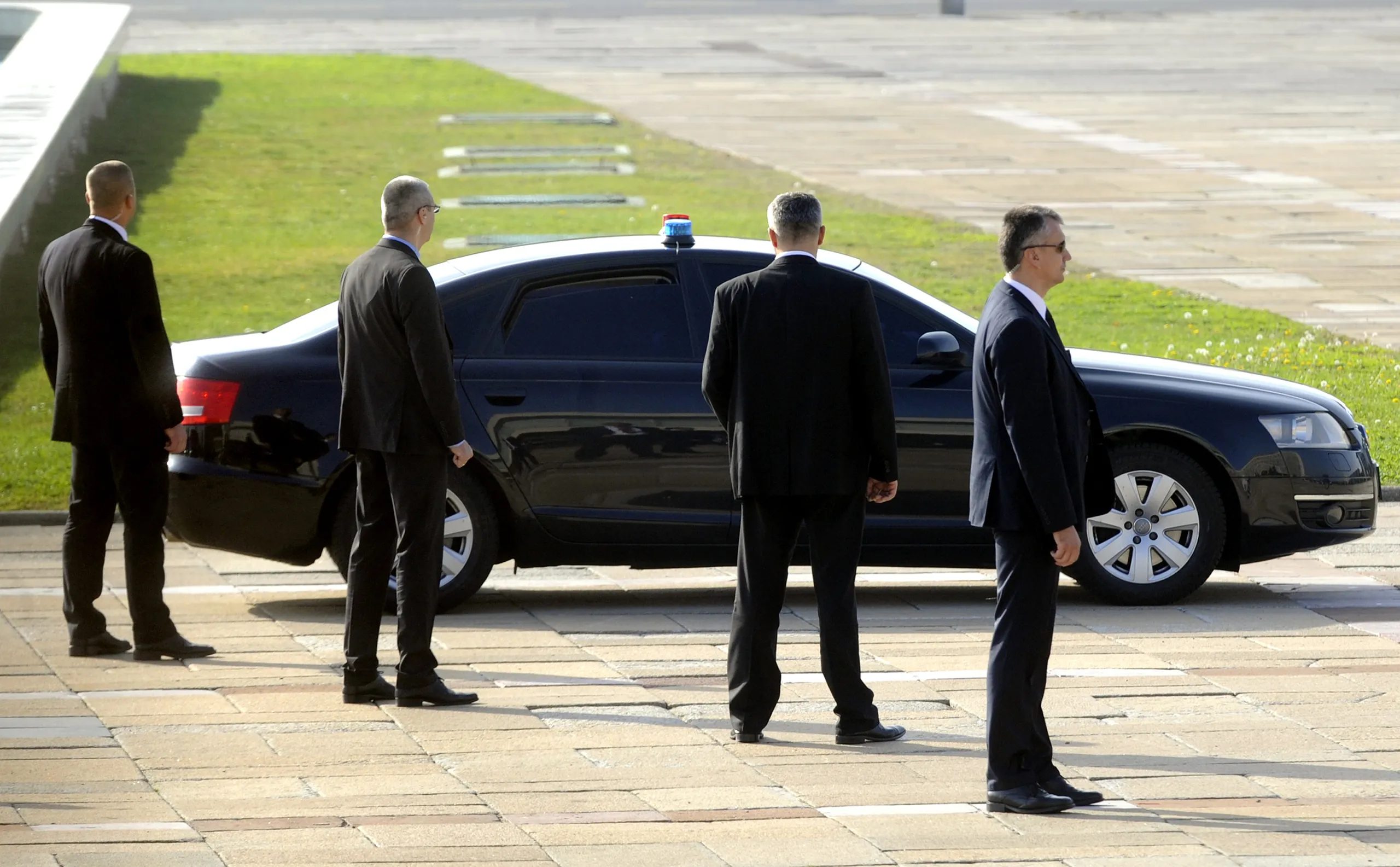
A distinctive feature of close protection in DC is the frequent proximity of client principals to Secret Service protectees. When a principal attends an event where the President, Vice President, or a visiting head of state is present, advance coordination between the private detail and the Secret Service is necessary to avoid friction at entry points and misunderstandings about armed personnel. Experienced DC operators manage this liaison as a routine element of event planning, and it is one of the clearest markers of genuine DC operational experience.
Our operations in Washington DC
Our operators hold appropriate DC licensing and have documented experience with the specific demands of the political environment, including federal agency coordination, the demonstration environment, and the interstate firearms-law complications of the DC-Maryland-Virginia metropolitan area. We provide close protection, security drivers, and residential security.
For broader context see our New York city page and Toronto city page.
Source: FCDO United States travel advisory (April 2026). DC Metropolitan Police crime statistics 2024. January 6 2021 Capitol incident reporting. DC Department of Licensing and Consumer Protection, security licensing (checked 6 October 2026).
What are the main security threats in Washington DC?
Political Threat Environment
Washington DC has an elevated political threat environment relative to other US cities, owing to the concentration of government officials, foreign diplomats, and policy influencers. Threats directed at political figures and organisations, from both domestic extremists and foreign state actors, are a documented feature of the DC security environment. Politically engaged principals carry threat profiles that differ materially from those in commercial cities.
Protests and Civil Unrest
Washington DC is the primary location for national political demonstrations in the US. Large-scale protests occur regularly near the White House, Capitol Hill, and the National Mall. The events of January 6, 2021 demonstrated that protest environments in DC can escalate to serious violence with significant speed, and that the area around the Capitol is a potential flashpoint.
Crime by District
Washington DC's crime rates vary significantly by area. The National Mall, Georgetown, and Dupont Circle areas are broadly safe, while areas including Anacostia and parts of Northeast DC east of the Anacostia River have materially elevated violent crime rates. Carjacking rose notably in the District in recent years and is a documented concern.
Foreign Intelligence Activity
As the seat of the US federal government, DC is a primary environment for foreign intelligence activity. Executives in defence, technology, and government-contracting sectors, and any principal engaged in sensitive policy or regulatory matters, should apply counter-intelligence awareness appropriate to the environment.
Vetted operators with direct experience in Washington DC
What security services are available in Washington DC?
Bodyguard Hire
Licensed close protection officers for senior corporate executives, visiting foreign officials, and HNWI clients in the Washington metropolitan area.
Executive Protection
Full security details for corporate principals attending Congressional meetings, regulatory engagements, White House-adjacent events, and major policy conferences.
Security Drivers
Vetted drivers for Reagan National, Dulles, and BWI airport transfers, and city movement across the DC metropolitan area including Maryland and Virginia suburbs.
Residential Security
Security assessment and management for diplomatic residences, K Street corporate apartments, and Georgetown HNWI properties.
What are the rules for private security in Washington DC?
Key regulatory requirements for operating security services in Washington DC.
Firearms Policy
The District's rules for special police officers and security officers are in DCMR Title 6-A, Chapter 11, and Title 17, Chapters 20 and 21. D.C. Code section 5-129.02, under which these officers are appointed, says nothing about weapons. Ask any provider to show that each armed officer's licence covers carrying a firearm in the District.
Licensing
Security officers, special police officers and security agencies in Washington DC are licensed through the Department of Licensing and Consumer Protection (DLCP), Occupational and Professional Licensing. The Metropolitan Police Department has stated that its Security Officers Management Branch gives the final sign-off on each application. Under D.C. Code section 5-129.02, special police officers and security officers must complete pre-assignment, on-the-job and in-service training.
Foreign Operators
DC law sets out no separate route for a foreign security company. Use a DLCP-licensed agency for protective work in the District, and take US immigration and local legal advice before a foreign team carries out protective duties.
Sources, checked : DC Department of Licensing and Consumer Protection, security licensing; Metropolitan Police Department, security officer licensing; D.C. Code section 5-129.02.
Which areas of Washington DC carry elevated risk?
Lower-Risk Areas
- Georgetown: Traditional HNWI residential and commercial area with lower crime rates.
- Dupont Circle: Mixed commercial and residential area with active police presence and embassy proximity.
- Capitol Hill residential: Around the Senate and House offices, with high security presence.
Elevated-Risk Areas
- Anacostia and areas east of the Anacostia River: Elevated violent crime rates with no standard business reason for visits.
- Parts of Northeast DC: Higher crime concentration.
- Protest-adjacent areas during major demonstrations: Flashpoints for crowd-related incidents, particularly near the Capitol and White House.
Deploying to Washington DC? Get a vetted close protection detail.
Request ConsultationWho do you call in an emergency in Washington DC?
Police / Fire / Ambulance
911
US Capitol Police
+1 202 224 0908
US Secret Service (Washington Field Office)
+1 202 406 5800
What travel advisories apply to Washington DC?
- DC's political environment means corporate lobbying activity and Congressional engagement can attract attention from political opponents, media, and occasionally threatening individuals. Brief security teams on the specific political context of the visit.
- Large demonstrations near the National Mall, White House, and Capitol are frequent. Plan routes and timing around known demonstration dates, and have contingency plans for rapid relocation.
- Coordinate with the Secret Service when principals attend events where federal protectees are present. This avoids friction between protection details at entry points and prevents misunderstandings about armed detail members.
Frequently Asked Questions
Who typically uses close protection in Washington DC?
How does the January 6, 2021 Capitol attack affect current security planning in DC?
What coordination is needed when client principals are near Secret Service protectees?
Is Washington DC safe for standard corporate visits?
How do DC's strict firearms laws affect close protection?
This page is published by CloseProtectionHire.com and written to editorial standards overseen by James Calloway, Senior Security Consultant (regulation, licensing, vetting and risk frameworks) and Marcus Webb, Security Operations Adviser (operational close protection, secure transport and city-specific safety).
Threat, regulatory and emergency information is sourced to named, dated authorities such as the FCDO, the US State Department and national licensing bodies. Last updated . See how we verify.