
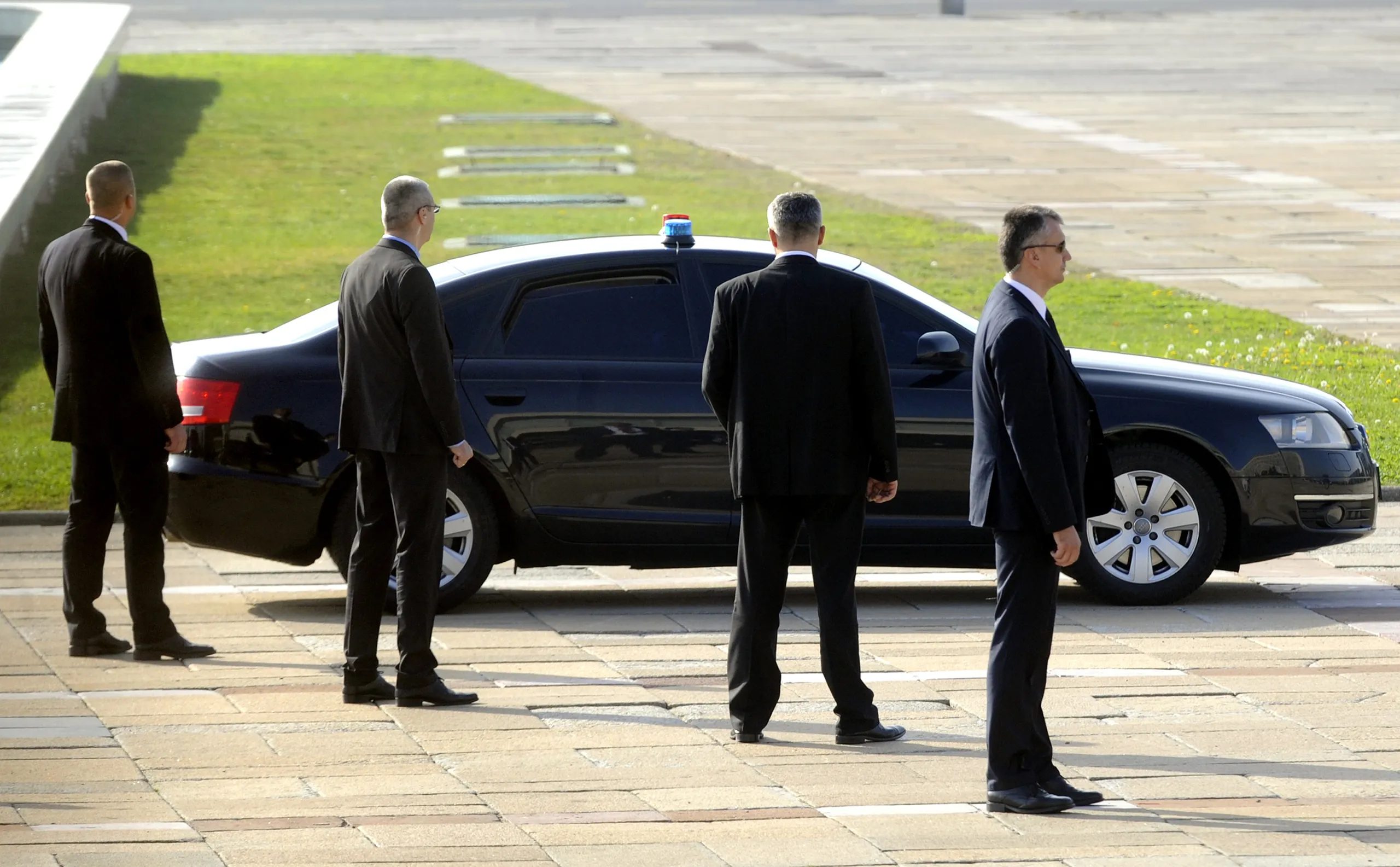
Planning travel to Ulaanbaatar? Speak with a security consultant.
Ulaanbaatar is the capital and only major urban centre of Mongolia, home to approximately half the country’s population and the operational headquarters for the country’s substantial mining sector. The city sits at 1,350 metres altitude on the Tuul River, surrounded by mountains, and experiences some of the most extreme winter weather conditions of any capital city in the world. International business travel to Ulaanbaatar is driven overwhelmingly by the mining industry: Rio Tinto’s Oyu Tolgoi operation, one of the world’s largest copper and gold mines, and the Tavan Tolgoi coal deposit have created a sustained flow of executive, legal, financial, and technical visitors.
The security environment
The FCDO advises normal travel precautions for Mongolia, noting petty theft and opportunistic crime as the primary risks. The city’s security environment is moderate: there is no terrorism threat, no significant organised criminal targeting of foreign business visitors, and the formal crime risk is concentrated in petty theft and alcohol-related violence after dark. The operational challenges for mining sector visitors are more likely to be weather-related disruption, the significant distances between Ulaanbaatar and mining sites, and winter-specific vehicle preparation requirements than direct security incidents. Source: FCDO Mongolia travel advice (2026). US State Department Mongolia advisory Level 1 (2026).
Mining sector operations
The Oyu Tolgoi copper and gold mine, the Erdenet copper mine, and the Tavan Tolgoi coal deposit are the three major international-facing operations. Visits to these sites from Ulaanbaatar require significant travel time and weather-appropriate planning. Ulaanbaatar’s hotel infrastructure, centred on the Shangri-La, Kempinski, and Tuushin hotels in the central business district, provides international-standard accommodation for executive visitors.
Sources: FCDO Mongolia travel advice (2026). US State Department Mongolia advisory (2026). Law on Contracted Private Security Service (2000, as revised), as described by Lkhagvamaa and Lee (2017). For comparable operating environments, see our Beijing city briefing and Almaty city briefing.
What are the main security threats in Ulaanbaatar?
Petty Crime and Opportunistic Theft
Pickpocketing, bag snatching, and opportunistic theft are the most common crimes affecting foreign visitors to Ulaanbaatar. The risk is highest in Sukhbaatar Square, the Narantuul Market (Black Market), public transport, and in entertainment districts after dark. Visitors perceived as foreign nationals with expensive equipment are specifically targeted. Source: FCDO Mongolia travel advice (2026).
Alcohol-Related Violence
Alcohol-related violence and assault is documented in Ulaanbaatar, particularly after dark in bar and entertainment areas. Foreign nationals involved in altercations with intoxicated individuals have been assaulted. Incidents are more frequent during winter months when seasonal unemployment increases. Avoid entertainment areas after midnight without vetted transport. Source: FCDO Mongolia travel advice (2026).
Extreme Weather and Operational Disruption
Ulaanbaatar experiences extreme winters with temperatures commonly reaching -30 to -40 degrees Celsius. Blizzards (dzuds) can close airports, block roads, and disrupt operations for extended periods. Summer dust storms also affect visibility and air quality. Operational planning for mining and field visits outside the city must account for weather-related access disruption.
Vetted operators with direct experience in Ulaanbaatar
What security services are available in Ulaanbaatar?
Security Drivers
Vetted, licensed security drivers for airport transfers and in-city movement.
Bodyguard Hire
Close protection officers for senior principals and visiting executives.
Executive Protection
Structured EP programmes for principals with elevated risk profiles.
Risk Assessment
Pre-travel security assessment covering the current threat environment.
What are the rules for private security in Ulaanbaatar?
Key regulatory requirements for operating security services in Ulaanbaatar.
Firearms Policy
The rules on firearms for private security staff in Mongolia could not be confirmed against a primary source on 14 October 2026. Most commercial security operations in Ulaanbaatar use unarmed personnel; any armed element, and the permit behind each weapon, must be confirmed in writing before an assignment starts.
Licensing
Private security in Mongolia is governed by the Law on Contracted Private Security Service, passed by the State Great Hural in 2000 and revised twice by 2017 (Lkhagvamaa and Lee, 2017, a secondary academic source; the law text itself was not read). The body that licenses security companies could not be confirmed against a primary source on 14 October 2026, so ask any provider for its licence and the issuing authority.
Foreign Operators
The rules for foreign security companies and foreign protection officers in Mongolia could not be confirmed against a primary source on 14 October 2026. International providers work through a Mongolian-registered partner company; take local legal advice before a foreign team carries out protective duties.
Which areas of Ulaanbaatar carry elevated risk?
Lower-Risk Areas
- Sukhbaatar District (central Ulaanbaatar): Main government, business, and hotel district. Best security infrastructure in the city, including the Shangri-La and Kempinski hotels.
- Seoul Street and Embassy District: Primary diplomatic and international business corridor. Active security presence.
- Zaisan: Southern residential area popular with expatriates. Lower crime profile than central markets.
Elevated-Risk Areas
- Narantuul Market (Black Market): High theft and fraud risk. Not appropriate for unescorted foreign visitors.
- Ger districts (outer residential): Outer ring of traditional dwelling areas. Limited formal security infrastructure and longer emergency response times.
- Entertainment areas after midnight: Elevated alcohol-related violence risk.
Deploying to Ulaanbaatar? Get a vetted close protection detail.
Request ConsultationWho do you call in an emergency in Ulaanbaatar?
Police Emergency
102
Ambulance
103
Intermed Hospital (best private facility)
+976 11 464 325
SOS Medica Mongolia
+976 11 464 325
British Embassy Ulaanbaatar
+976 11 458 133
What travel advisories apply to Ulaanbaatar?
- Extreme winter weather in Ulaanbaatar is operationally significant. Temperatures of -30 to -40 degrees Celsius are routine. Plan for weather-related delays to airport transfers, field visits, and general movement. Appropriate cold-weather clothing and vehicle preparation are essential between October and April.
- Air quality in Ulaanbaatar is severely degraded during winter months due to coal and wood burning in ger districts. The WHO ranks Ulaanbaatar among the most polluted cities in the world for winter air quality. Principals with respiratory conditions should take specific medical advice before visiting during winter.
- The Narantuul Market (Black Market) carries a high risk of theft and fraud. Do not visit this location without an experienced local contact and should not carry valuable items.
Frequently Asked Questions
What industries bring international business visitors to Ulaanbaatar?
What is the main security risk for foreign visitors to Ulaanbaatar?
What airport serves Ulaanbaatar?
How does extreme winter weather affect operations in Ulaanbaatar?
This page is published by CloseProtectionHire.com and written to editorial standards overseen by James Calloway, Senior Security Consultant (regulation, licensing, vetting and risk frameworks) and Marcus Webb, Security Operations Adviser (operational close protection, secure transport and city-specific safety).
Threat, regulatory and emergency information is sourced to named, dated authorities such as the FCDO, the US State Department and national licensing bodies. Last updated . See how we verify.