
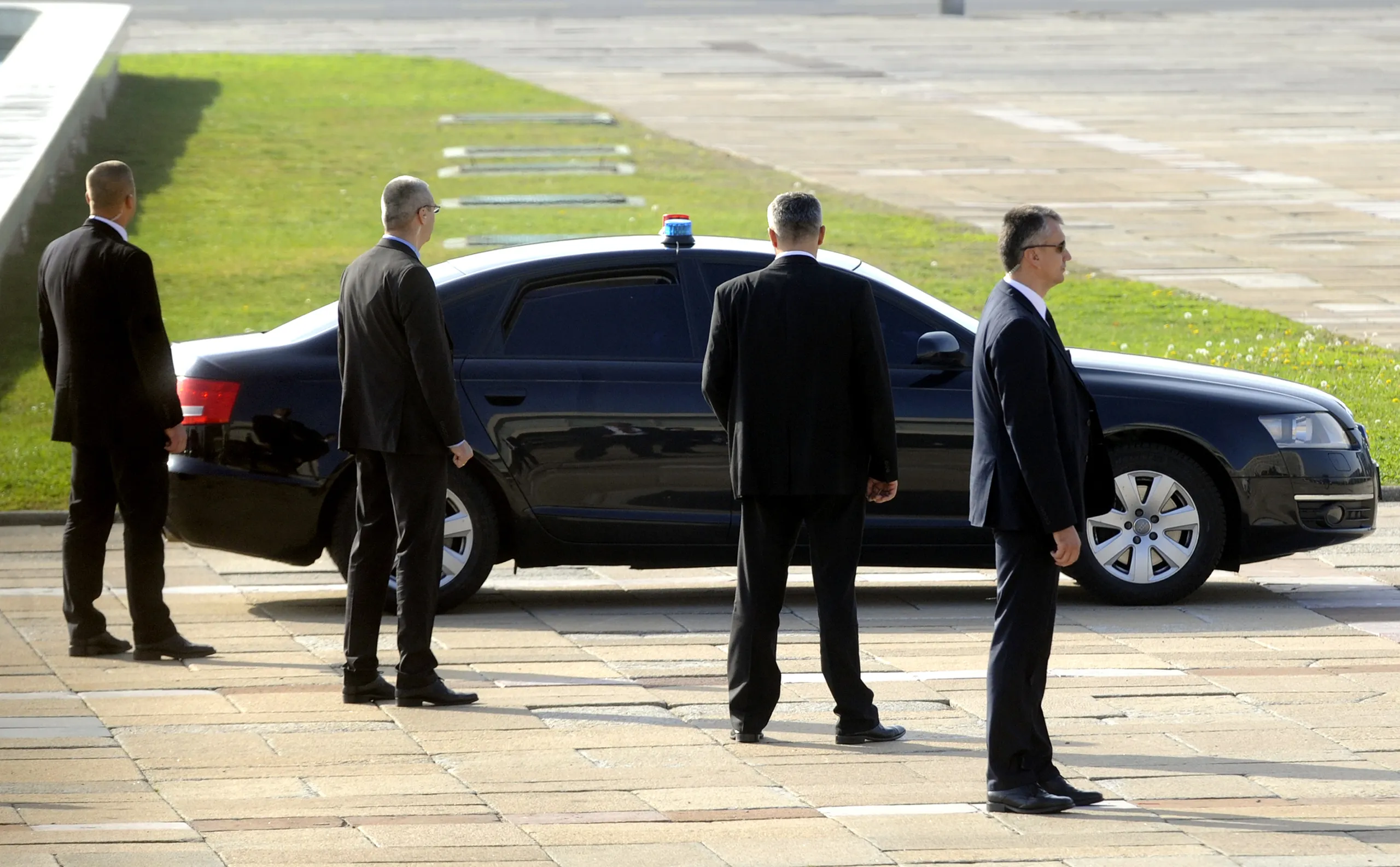
Planning travel to Tirana? Speak with a security consultant.
Tirana is the capital of Albania, a Western Balkans state whose transformation from one of the world’s most isolated communist regimes (1945-1991) into a NATO member (2009) and EU accession candidate represents one of the more remarkable political trajectories in post-Cold War Europe. The city’s security environment reflects this transformation: significant organised crime networks remain, rooted in the governance vacuum of the 1990s, but EU-driven reforms have produced measurable improvements in policing, anti-corruption, and institutional capacity.
For corporate visitors and investors, the primary security considerations in Tirana are organised crime awareness (particularly for late-night movement in entertainment areas), road safety (a genuine hazard in Albania), and due-diligence requirements for any business dealings in a market still undergoing governance reform. The FCDO advises a high degree of caution (FCDO Albania travel advice, 2026). The US State Department advises Exercise Increased Caution (Level 2, 2026).
Albania’s growing economy, fuelled by tourism, real estate investment, and European diaspora capital, is attracting increasing numbers of corporate visitors. Executive protection and security driver services are available through licensed Albanian operators. For regional security context, see our security services in Podgorica and our Sarajevo security briefing.
What are the main security threats in Tirana?
Organised Crime
Albania has historically been a significant source country for organised crime groups active across Europe, including in cannabis production (Albania was previously one of Europe's largest cannabis producers before eradication efforts) and trafficking operations. While Albania has made significant reforms as part of its EU accession process, organised crime networks remain active. The FCDO advises that organised crime is a fact of life in Albania and that incidental exposure to criminal activity is possible for visitors (FCDO Albania travel advice, 2026). Targeted violence between criminal groups occasionally occurs.
Corruption and Rule of Law
Albania's EU accession process has driven measurable improvements in anti-corruption and rule-of-law indicators since EU candidate status was granted in 2014 and accession negotiations were formally opened in 2022. However, corruption remains a practical business concern, and due-diligence procedures appropriate to a jurisdiction undergoing governance reform are necessary.
Blood Feud (Gjakmarrja)
The practice of blood feuds (gjakmarrja), rooted in the traditional Kanun law, continues to affect some parts of Albania. While the practice has declined significantly and is not a risk for foreign visitors in central Tirana, it is relevant to understand for operations in more rural or remote areas.
Road Safety
Road traffic is a significant hazard in Albania. Traffic discipline is inconsistent, road conditions vary, and night driving outside city limits carries elevated accident risk. The FCDO notes road safety as a specific concern for visitors (FCDO Albania, 2026).
Vetted operators with direct experience in Tirana
What security services are available in Tirana?
Executive Protection
Discrete close protection for corporate executives and HNW individuals visiting Tirana for investment, real estate, and business engagements in the context of Albania's growing economy.
Security Drivers
Vetted security transport for Tirana airport transfers and city movement, with experienced drivers familiar with local traffic conditions.
Residential Security
Residential security assessments and guard-force management for expatriate and diplomatic accommodation in Tirana.
Due Diligence Support
Background research and partner-vetting support for organisations entering the Albanian market.
What are the rules for private security in Tirana?
Key regulatory requirements for operating security services in Tirana.
Firearms Policy
Private security firearms in Albania are governed by Law No. 74/2014 on weapons: the technical director and service staff of a licensed private security company may carry firearms and ammunition with an authorisation from the State Police (as set out in the Ministry of Interior's 2022 explanatory report on amending Law No. 75/2014). Commercial deployments in Tirana typically involve unarmed protective services.
Licensing
Private physical security services are regulated by Law No. 75/2014 "On private physical security services". Companies operate under a licence issued by the National Business Centre (QKB), and the State Police certifies company owners, technical directors and staff and can propose the removal of a licence. A 2022 government draft proposed amendments, including five-year certificates, prior police approval for subcontracting and a risk assessment before close protection contracts; whether they were enacted could not be confirmed on 10 October 2026.
Foreign Operators
According to the Ministry of Interior's 2022 report, Law No. 75/2014 already allows foreign nationals to set up a private security company, and the draft would let foreigners with work and residence permits be certified as technical directors and staff after State Police approval, removing an Albanian citizenship requirement. Whether that change was enacted could not be confirmed on 10 October 2026, so work through a licensed Albanian company and take local legal advice before a foreign officer carries out protective duties.
Sources, checked : Ministry of Interior of Albania, explanatory report on the draft law amending Law No. 75/2014 on private physical security services (public consultation, 2022).
Which areas of Tirana carry elevated risk?
Lower-Risk Areas
- Central Tirana -- including the Blloku district, Skanderbeg Square, and the main hotel and restaurant areas -- is well-policed and relatively safe for visitors during daytime and evening hours.
- The Rinas corridor to Tirana International Airport Mother Teresa (TIA) is a standard business route with established transport options.
Elevated-Risk Areas
- Outer districts of Tirana: police presence reduces and petty crime rates are higher.
- Rural and remote areas: blood feud risk is regionally concentrated; road safety concerns are higher.
Deploying to Tirana? Get a vetted close protection detail.
Request ConsultationWho do you call in an emergency in Tirana?
Police
129
Fire service
128
Medical emergency
127
QSUT (main hospital)
+355 4 234 1000
Emergency Services (112, operating in Tirana, Kamez and Vore; 127, 128 and 129 still work and remain the numbers to use elsewhere in Albania)
112
What travel advisories apply to Tirana?
- The FCDO advises exercising a high degree of caution in Albania, noting organised crime and road safety. Source: FCDO Albania travel advice (2026).
- The US State Department advises Exercise Increased Caution in Albania (Level 2, 2026).
- Organised crime violence, while primarily targeted at rival groups, can occasionally affect bystanders. Maintain situational awareness in central Tirana entertainment areas, particularly late at night.
- Tirana International Airport Mother Teresa (TIA) is well-connected to European hubs. Pre-arrange vetted transport for arrivals; unlicensed taxis operate outside the airport.
- Medical facilities in Tirana include the Qendra Spitalore Universitare Nene Tereza (main public hospital) and several private clinics. For specialist care, medical evacuation to Vienna, Rome, or Athens is standard contingency.
Frequently Asked Questions
What is the security situation for business visitors to Tirana?
Is close protection available in Tirana?
How significant is the organised crime risk for corporate visitors to Tirana?
What medical facilities are available in Tirana?
This page is published by CloseProtectionHire.com and written to editorial standards overseen by James Calloway, Senior Security Consultant (regulation, licensing, vetting and risk frameworks) and Marcus Webb, Security Operations Adviser (operational close protection, secure transport and city-specific safety).
Threat, regulatory and emergency information is sourced to named, dated authorities such as the FCDO, the US State Department and national licensing bodies. Last updated . See how we verify.