
Planning travel to Sofia? Speak with a security consultant.
Sofia presents a meaningfully different security environment from other EU capitals in this region. FCDO Bulgaria travel advice (2026) advises a high degree of caution - the only EU capital in this briefing series to receive that classification - primarily due to the organised crime operating environment documented by Europol and the Bulgarian Ministry of Interior. For corporate visitors, the primary risk is not violent street crime but the pervasive integrity and due diligence challenge: Bulgaria’s historically low Transparency International CPI score (2024) reflects a commercial environment where corruption risk, counterparty integrity issues, and unofficial facilitation pressures are more likely to be encountered than in Western or Northern European capitals.
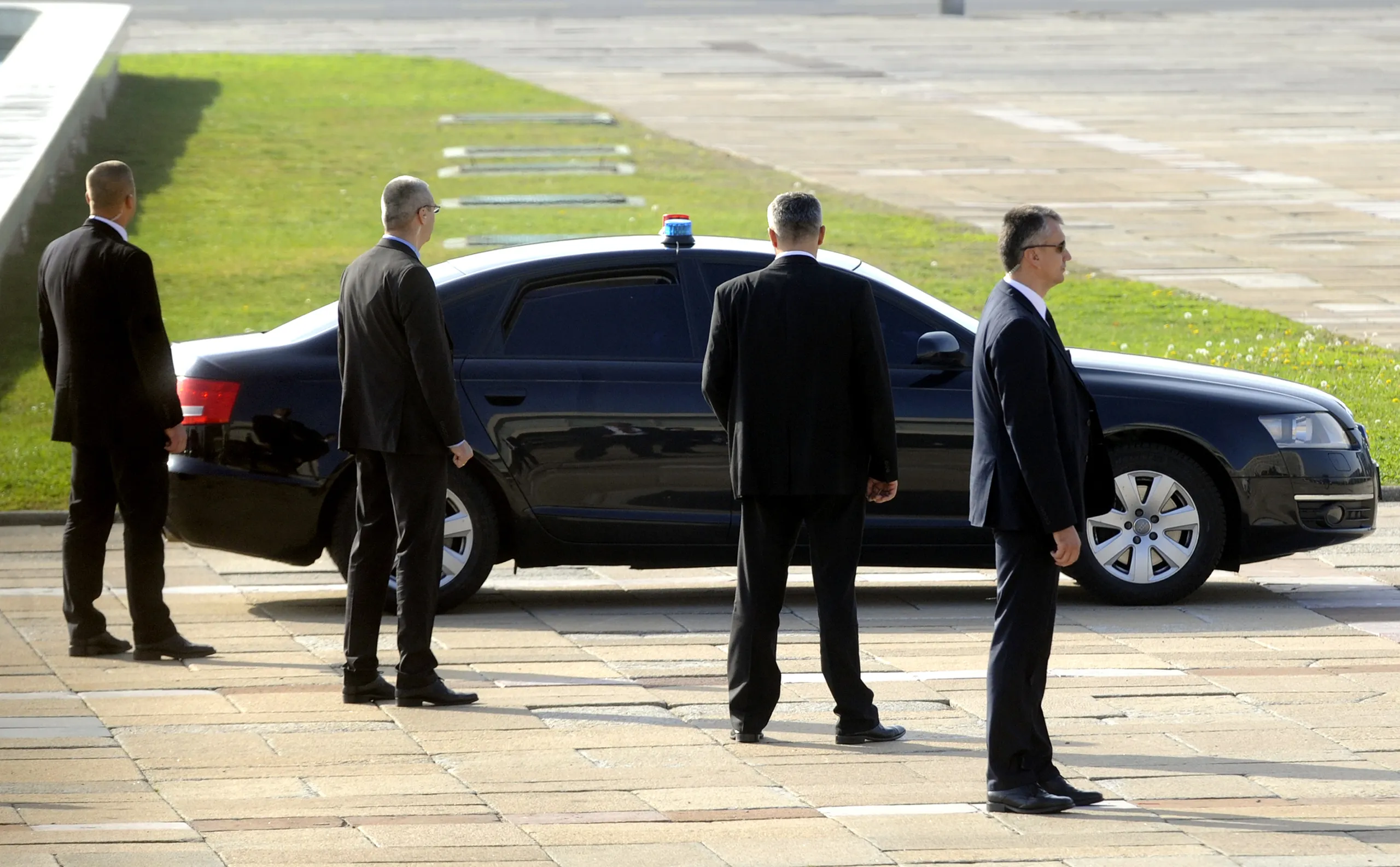
Physical security operations in Sofia require above-standard baseline measures: vetted drivers, pre-arranged transfers, attended parking, and accommodation in the southern residential or established hotel districts rather than peripheral areas. Targeted criminal violence between groups does occasionally occur in Sofia, and while this has not historically involved visiting foreign nationals, situational awareness and professional route planning are warranted. Our risk assessment services include Bulgaria-specific due diligence support alongside physical threat assessment for corporate delegations. All close protection operators must be licensed under the Law on Private Security Activities by the Ministry of the Interior. For regional comparison, see our briefings for Tirana and Skopje.
What are the main security threats in Sofia?
Organised crime
Europol's Serious and Organised Crime Threat Assessment (SOCTA, 2025) identifies Bulgaria as a significant transit and origin country for organised crime activities including narcotics trafficking, human trafficking, and financial crime. Occasional targeted violence between criminal groups occurs in Sofia, predominantly in peripheral districts. The National Police Service reports that criminal conflicts have resulted in public shootings on several occasions since 2020, though these have not involved foreign nationals.
Corruption and integrity risk
Transparency International's Corruption Perceptions Index (CPI, 2024) ranks Bulgaria as the lowest-scoring EU member state for perceived public sector corruption. While EU accession has driven reforms, the risk of encountering corrupt officials, unofficial facilitation payments, or unethical counterparty behaviour remains higher than in Western European operating environments. Corporate visitors should apply enhanced due diligence on local counterparties and intermediaries.
Petty crime and vehicle theft
Bulgarian Ministry of Interior crime statistics (2025) record moderate rates of petty theft, pickpocketing, and vehicle break-ins in Sofia. The central pedestrian zone (Vitosha Boulevard), NDK Park area, and the Serdika metro station are frequent locations for opportunistic theft. Vehicle theft is elevated compared to Western European capitals; use attended parking or secure hotel garages.
Vetted operators with direct experience in Sofia
What security services are available in Sofia?
Executive Protection
Close protection for IT outsourcing executives, energy sector principals, and corporate delegations requiring enhanced security in the Sofia operating environment.
Security Drivers
Secure transfers between Sofia Airport (SOF, 10km) and city hotels, business premises, and residential addresses; vetted drivers with local knowledge.
Residential Security
Static guarding and access control for executive residences and hotel suites used by principals requiring an elevated baseline.
Risk Assessment
Pre-visit threat and due diligence assessment covering Bulgarian organised crime, corruption risk, and counterparty integrity for corporate delegations.
What are the rules for private security in Sofia?
Key regulatory requirements for operating security services in Sofia.
Firearms Policy
The rules on whether private security staff in Bulgaria may carry firearms could not be confirmed against a primary source on 7 October 2026. Ask any provider which permit covers each weapon, and take local legal advice before engagement.
Licensing
Private security in Bulgaria is governed by the Law on Private Security Activities (Закон за частната охранителна дейност). Under Article 40, licences are issued by the Director of the National Police General Directorate of the Ministry of the Interior, or an official he or she authorises. Ask any provider for its licence before engagement.
Foreign Operators
The Ministry of the Interior licence procedure asks for extra documents, including medical certificates and criminal record documentation, where a company's managers are foreign nationals without permanent residence in Bulgaria. Other rules for foreign companies and personnel could not be confirmed against a primary source on 7 October 2026. Take local legal advice before a foreign team carries out protective duties.
Sources, checked : Ministry of the Interior of Bulgaria, Administrative services under the Law on Private Security Activities (Bulgarian and English).
Which areas of Sofia carry elevated risk?
Lower-Risk Areas
- Sofia city centre - Vitosha Boulevard, Doctors Garden, Lozenets district - highest police density, moderate to low personal crime risk
- Boyana and Dragalevtsi southern residential districts - low crime, appropriate for executive villa or apartment accommodation
- Business Park Sofia and Paradise Centre area - controlled modern commercial environment
Elevated-Risk Areas
- Central railway station (Tsentralna Gara) and surrounding streets - elevated theft and organised begging; avoid displaying valuables
- Lyulin, Nadezhda, and Mladost peripheral districts - higher organised crime activity and lower police presence; not relevant to standard corporate itineraries but relevant for site visits
- Public car parks in the city centre - vehicle break-ins at above-average rates; use attended parking
Deploying to Sofia? Get a vetted close protection detail.
Request ConsultationWho do you call in an emergency in Sofia?
Police
166
Fire service
160
Medical emergency
150
University Hospital Aleksandrovska
+359 2 923 0000
Emergency Services (112, free and answered around the clock; calls to 150, 160 and 166 are redirected to 112)
112
What travel advisories apply to Sofia?
- FCDO Bulgaria travel advice (2026) advises exercising a high degree of caution, citing organised crime as a specific risk factor.
- US State Department Level 1 (Exercise Normal Precautions) for Bulgaria (2026).
- Transparency International CPI (2024) ranks Bulgaria as the EU's lowest-scoring member state for corruption; corporate visitors should conduct enhanced counterparty due diligence before entering business relationships.
- Bulgaria entered Schengen for air and maritime travel in March 2024 but land border checks remain in place as of June 2026; plan for additional time at land border crossings if travelling by road.
- Medical facilities: University Hospital Aleksandrovska (+359 2 923 0000) is Sofia's main public hospital; Tokuda Hospital (private) offers international-standard care. Medical evacuation to Vienna or Athens is advisable for complex trauma or specialist procedures.
Frequently Asked Questions
What is the organised crime risk in Sofia and how does it affect executive visitors?
What due diligence is advisable before business meetings in Sofia?
How does Bulgaria's partial Schengen membership affect travel logistics?
What medical provision is available for executive visitors to Sofia?
This page is published by CloseProtectionHire.com and written to editorial standards overseen by James Calloway, Senior Security Consultant (regulation, licensing, vetting and risk frameworks) and Marcus Webb, Security Operations Adviser (operational close protection, secure transport and city-specific safety).
Threat, regulatory and emergency information is sourced to named, dated authorities such as the FCDO, the US State Department and national licensing bodies. Last updated . See how we verify.