
Planning travel to Skopje? Speak with a security consultant.
Skopje is the capital of North Macedonia, a landlocked Western Balkans state that joined NATO in March 2020 following the resolution of its long-running name dispute with Greece through the 2018 Prespa Agreement. The country is an EU accession candidate with ongoing accession negotiations. Its security environment has improved significantly over the two decades since the 2001 insurgency – resolved through the Ohrid Framework Agreement – but organised crime, political tensions, and residual ethnic community divisions remain features of the risk landscape.
For corporate visitors to Skopje, the security environment is broadly manageable. The FCDO advises a high degree of caution (FCDO North Macedonia travel advice, 2026) and the US State Department advises Exercise Normal Precautions (Level 1, 2026). Petty crime in tourist areas and due-diligence requirements for business dealings are the primary practical concerns. North Macedonia’s growing manufacturing sector, EU-facing trade relationships, and real estate market are attracting increasing international business interest.
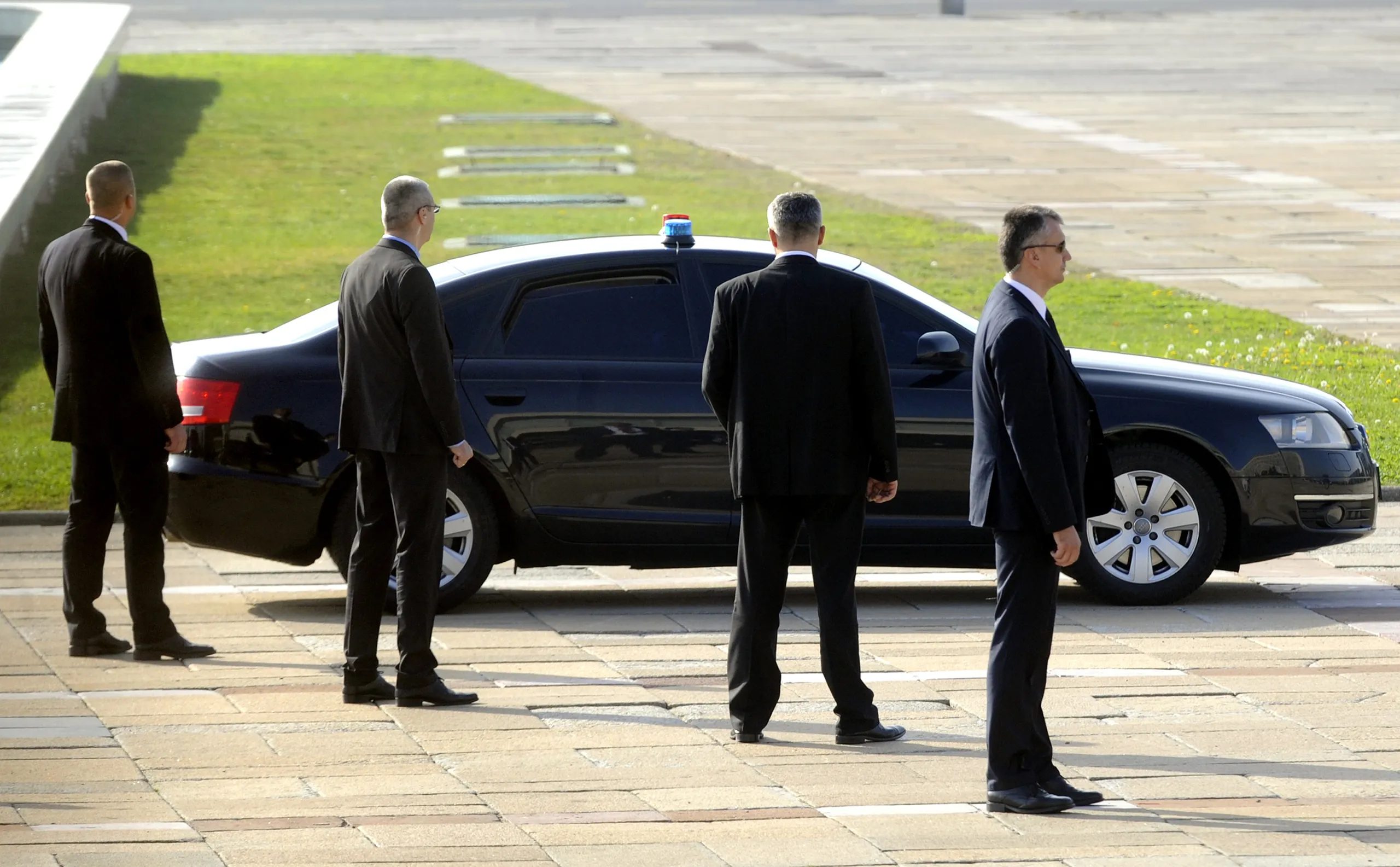
Executive protection and security driver services for Skopje are available through locally licensed operators. For regional security context, see our security services in Tirana and our Sarajevo security briefing.
What are the main security threats in Skopje?
Organised Crime
North Macedonia has been affected by organised crime networks involved in drug trafficking and other criminal activities. The country has made reforms as part of its NATO accession (2020) and EU accession process. The FCDO advises exercising a high degree of caution in North Macedonia, noting organised crime as a concern (FCDO North Macedonia travel advice, 2026). The practical risk for corporate visitors is primarily in the context of due diligence for business dealings rather than direct personal security exposure.
Historical Ethnic Tensions
North Macedonia has a multi-ethnic society comprising Macedonian, Albanian, Turkish, Roma, and other communities. The 2001 insurgency (National Liberation Army, comprising ethnic Albanian fighters) was resolved through the Ohrid Framework Agreement (2001), which granted constitutional protections for minority communities. Ethnic tensions remain a feature of the political landscape and can generate localised incidents, though major violence has not recurred since 2001.
Political Demonstrations
North Macedonia experienced significant political protests in 2015-2017 related to a wiretapping scandal and resulting political crisis. The SDSM-led government that came to power in 2017, the subsequent Prespa Agreement with Greece that resolved the name dispute (allowing NATO accession in 2020), and the EU accession process have reduced but not eliminated political tensions. Demonstrations occur and require monitoring.
Petty Crime and Urban Security
Skopje experiences petty crime at moderate levels -- pickpocketing in the Old Bazaar (Carsija) area, on public transport, and in tourist areas are the most reported incidents. The US State Department advises Exercise Normal Precautions in North Macedonia (Level 1, 2026).
Vetted operators with direct experience in Skopje
What security services are available in Skopje?
Executive Protection
Discrete close protection for corporate executives visiting Skopje for investment, manufacturing, and business engagements in North Macedonia's growing economy.
Security Drivers
Vetted security transport for Skopje airport transfers and city movement.
Residential Security
Residential security surveys for diplomatic staff and corporate executives on extended Skopje assignments.
Risk Assessment
Country risk assessment for organisations entering or expanding in North Macedonia, including EU accession context and organised crime due-diligence.
What are the rules for private security in Skopje?
Key regulatory requirements for operating security services in Skopje.
Firearms Policy
Whether private security staff in North Macedonia may carry firearms, and under which authorisation, could not be confirmed against a primary source on 14 October 2026. Commercial deployments in Skopje typically involve unarmed protective services. Any armed element, and the permit behind each weapon, must be confirmed in writing before an assignment starts.
Licensing
North Macedonia has a Law on Private Security (Закон за приватно обезбедување), but its current text could not be read on 14 October 2026, and the 'Law on Personal Safety (2009)' this page cited for firearms could not be confirmed against a primary source. The law and the authority that license private security in North Macedonia could not be confirmed against a primary source on 14 October 2026. Ask any provider for its licence and the issuing authority, and take local legal advice before engagement.
Foreign Operators
The rules for foreign security companies and foreign protection officers in North Macedonia could not be confirmed against a primary source on 14 October 2026. Work through a licensed North Macedonian company and take local legal advice before a foreign team carries out protective duties.
Which areas of Skopje carry elevated risk?
Lower-Risk Areas
- Central Skopje -- including Macedonia Square, the Stone Bridge area, the City Mall district, and the main hotel zone -- is well-policed and generally safe for visitors.
- The airport corridor (Skopje Alexander the Great Airport SKP) is a standard business route.
Elevated-Risk Areas
- Old Bazaar (Carsija): elevated petty crime, pickpocketing; safe overall but requires heightened awareness.
- Outer residential districts after dark: police presence reduces.
Deploying to Skopje? Get a vetted close protection detail.
Request ConsultationWho do you call in an emergency in Skopje?
Police
192
Fire service
193
Medical emergency
194
General Hospital Skopje (8th September)
+389 2 3130 111
Emergency Services (112, the single emergency number run through the Crisis Management Centre, alongside 192, 193 and 194)
112
What travel advisories apply to Skopje?
- The FCDO advises exercising a high degree of caution in North Macedonia, noting organised crime and political demonstration risk. Source: FCDO North Macedonia travel advice (2026).
- The US State Department advises Exercise Normal Precautions in North Macedonia (Level 1, 2026).
- Ethnic tension and political demonstrations occur and require monitoring. Avoid large political gatherings during periods of heightened political activity.
- Skopje Alexander the Great Airport (SKP) provides connections to European hubs. Pre-arrange vetted transport for arrivals.
- Medical care in Skopje includes the General Hospital (8th September) and private clinics including Sistina Hospital and Remedika. Medical evacuation to Belgrade or Vienna is standard for specialist care.
Frequently Asked Questions
What is the security situation for business visitors to Skopje?
Is close protection available in Skopje?
How has the Prespa Agreement changed North Macedonia's security environment?
What medical facilities are available in Skopje?
This page is published by CloseProtectionHire.com and written to editorial standards overseen by James Calloway, Senior Security Consultant (regulation, licensing, vetting and risk frameworks) and Marcus Webb, Security Operations Adviser (operational close protection, secure transport and city-specific safety).
Threat, regulatory and emergency information is sourced to named, dated authorities such as the FCDO, the US State Department and national licensing bodies. Last updated . See how we verify.