
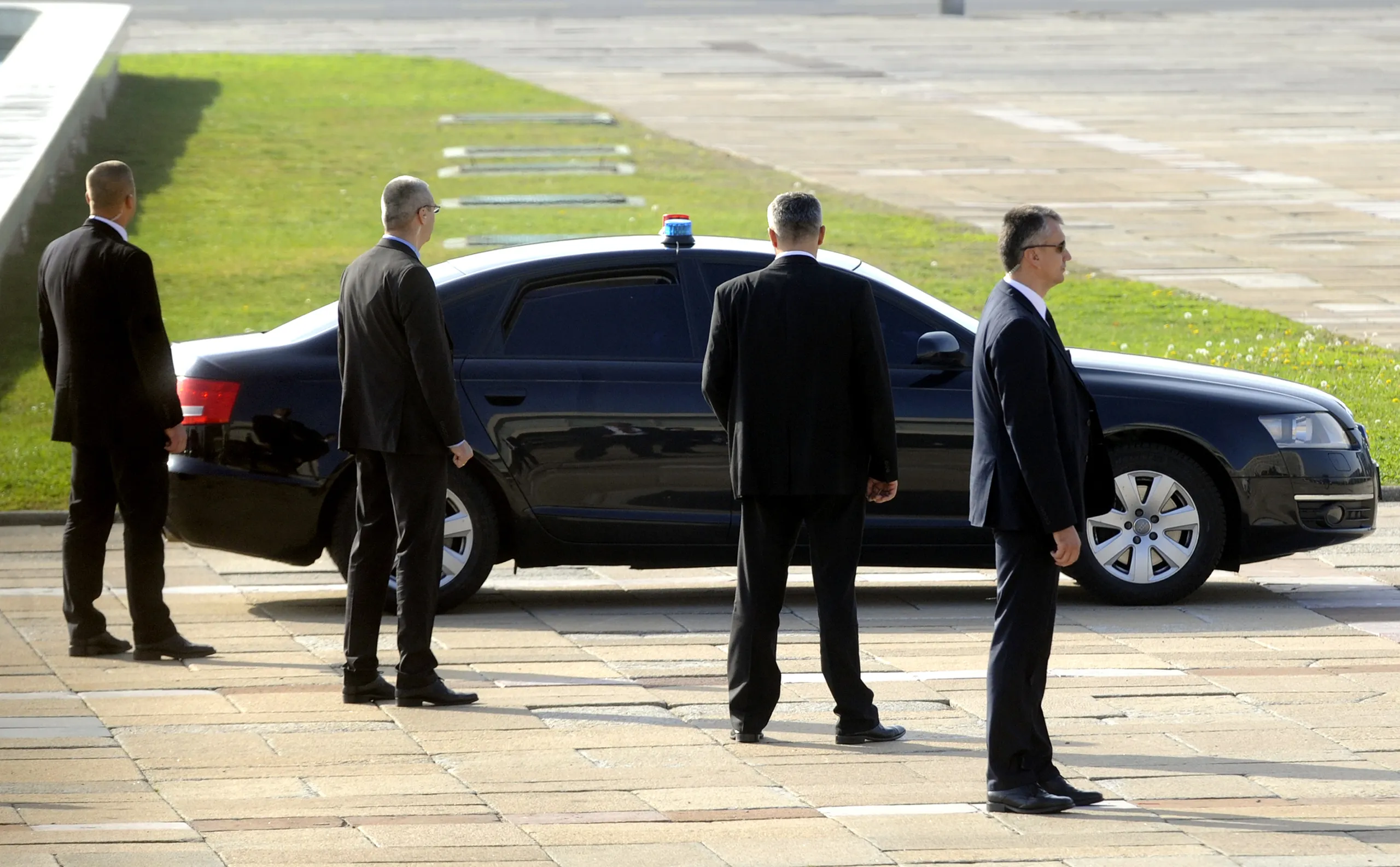
Planning travel to Sharm el-Sheikh? Speak with a security consultant.
Sharm el-Sheikh is an Egyptian resort city on the southern tip of the Sinai Peninsula, best known as a Red Sea dive and beach destination and, since hosting COP27 in November 2022, as a venue for major international conferences. The city occupies a complex security position: the resort zone is actively managed by Egyptian security forces, but it sits within the Sinai Peninsula, which carries one of the highest terrorism designations in the Middle East and North Africa region. Travel to Sharm el-Sheikh requires a careful assessment of the specific visit requirements against the FCDO and US State Department advisories.
The Sinai security context
FCDO advises against all travel to most of the Sinai Peninsula and against all but essential travel to Sharm el-Sheikh. The US State Department places the Northern and Middle Sinai Peninsula under Do Not Travel (Level 4) due to terrorism. South Sinai, which contains Sharm el-Sheikh, is not on that Do Not Travel list. These advisories reflect the presence of Wilayat Sinai, an Islamic State affiliate that has conducted attacks on Egyptian security forces, infrastructure, and international aviation. The 2015 Metrojet bombing is the most prominent single incident in the Sharm el-Sheikh security record.
Operating in Sharm el-Sheikh
Any business engagement in Sharm el-Sheikh must be treated as essential-travel-only, with resort-zone movement discipline, air travel to and from the city, and a full pre-travel security assessment.
For security assessment and services in Sharm el-Sheikh, see our risk assessment services and executive protection services.
What are the main security threats in Sharm el-Sheikh?
Terrorism: Sinai Peninsula
The Sinai Peninsula, on which Sharm el-Sheikh is located, carries one of the highest terrorism risk designations in the Middle East and North Africa region. The Islamic State affiliate Wilayat Sinai (formerly Ansar Beit al-Maqdis) has conducted attacks on Egyptian security forces, infrastructure, and, historically, tourist targets. The 2015 bombing of the Metrojet flight departing Sharm el-Sheikh killed 224 people and triggered extensive international flight bans to SSH. FCDO advises against all travel to most of the Sinai Peninsula and against all but essential travel to Sharm el-Sheikh. The US State Department places the Northern and Middle Sinai Peninsula under Do Not Travel (Level 4) due to terrorism. South Sinai, which contains Sharm el-Sheikh, is not on that Do Not Travel list.
Aviation Security
SSH Sharm el-Sheikh International Airport has been the subject of specific aviation security concerns since the 2015 Metrojet bombing. UK flights to SSH were suspended from 2015 to 2019 following a UK government security assessment of SSH airport infrastructure. Some restrictions on carry-on electronics have applied at various points since 2017. Check current aviation security advisories before any flight to or from SSH.
Kidnapping and Hostage Risk
Kidnapping risk in the Sinai Peninsula is high and is specifically referenced in FCDO and US State Department advisories. While the resort zone in Sharm el-Sheikh is more controlled than the north and central Sinai, movement outside the resort corridor carries very high kidnap risk. Do not travel outside the Sharm el-Sheikh resort zone under any circumstances without a current security assessment.
General Crime in Resort Zone
Within the Sharm el-Sheikh resort zone (Naama Bay, Sharm el-Sheikh Bay, and the main resort areas), the general crime risk is moderate. Petty theft and opportunistic crime target tourists. Vehicle crime and scams targeting arriving visitors at SSH airport are documented.
Vetted operators with direct experience in Sharm el-Sheikh
What security services are available in Sharm el-Sheikh?
Security Assessment
Pre-travel and in-country security assessment for organisations that must operate in the Sharm el-Sheikh area despite the FCDO advisory. Assessment covers the terrorism picture, movement restrictions, and contingency planning.
Security Drivers
Licensed vetted drivers for SSH airport transfers and movement within the Sharm el-Sheikh resort zone. Assessment of movement outside the resort zone on a case-by-case basis.
Risk Assessment
Ongoing threat assessment for organisations with operational requirements in Sharm el-Sheikh or the wider Sinai. Includes terrorism monitoring and movement protocol design.
Event Security
Security arrangements for conferences and corporate events at Sharm el-Sheikh resort venues, including COP27-era infrastructure. Includes venue security assessment and close protection for high-profile delegates.
What are the rules for private security in Sharm el-Sheikh?
Key regulatory requirements for operating security services in Sharm el-Sheikh.
Firearms Policy
Under Article 13 of Law No. 86 of 2015, guards of a licensed company may be licensed to hold weapons and ammunition under the Weapons and Ammunition Law No. 394 of 1954. The weapons belong to the company, not to the guard. Ask to see the weapons licences before any armed assignment. Most commercial close protection in Egypt runs unarmed.
Licensing
Companies that guard facilities and transport money in Egypt are licensed under Law No. 86 of 2015. The Minister of Interior, or a delegate, is the only authority that issues and revokes these licences. Operating without a licence carries up to 1 year in prison and a fine.
Foreign Operators
Law No. 86 of 2015 licenses only a joint stock company wholly owned by Egyptians. Its founders, board members and guards must be Egyptian nationals. A foreign security company cannot hold the licence, so use an Egyptian-licensed company and take local legal advice before a foreign team carries out protective duties.
Sources, checked : Ahram Online, Sisi issues law authorising Egypt ministries of defence, interior to found security firms (13 July 2015); Law No. 86 of 2015 on companies guarding facilities and transporting money (text, lawyeregypt.net).
Which areas of Sharm el-Sheikh carry elevated risk?
Lower-Risk Areas
- Naama Bay: Primary resort hotel zone. Egyptian security forces maintain a significant presence in the resort corridor. The major international-brand hotels are in Naama Bay.
- Sharm el-Sheikh Bay (Old Market Area): Secondary resort zone south of Naama Bay. More local commercial character but still within the security-managed resort corridor.
- Ras Nasrani (northern resort fringe): Upper-end resort hotels north of Naama Bay. Within the managed security corridor.
Elevated-Risk Areas
- North Sinai (Arish, Sheikh Zuweid, Rafah): FCDO advises against all travel. Active conflict zone.
- Central Sinai (outside resort corridor): FCDO advises against all travel. Terrorism and kidnap risk.
- Movement between Sharm el-Sheikh and Cairo by road: Very high risk. Road transit through Sinai is subject to attack and ambush. Do not travel by road from SSH to Cairo.
Deploying to Sharm el-Sheikh? Get a vetted close protection detail.
Request ConsultationWho do you call in an emergency in Sharm el-Sheikh?
Egyptian Police Emergency
122
Egyptian Ambulance
123
Sharm International Hospital
+20 69 366 0893
Hyperbaric Medical Center (diving emergencies)
+20 69 366 0922
British Embassy Cairo (serves Sharm el-Sheikh)
+20 2 2791 6000
US Embassy Cairo
+20 2 2797 3300
What travel advisories apply to Sharm el-Sheikh?
- FCDO advises against all travel to most of the Sinai Peninsula and against all but essential travel to Sharm el-Sheikh itself. The US State Department places the Northern and Middle Sinai Peninsula under Do Not Travel (Level 4) due to terrorism. South Sinai, which contains Sharm el-Sheikh, is not on that Do Not Travel list. These advisories are driven by terrorism risk from Wilayat Sinai and kidnapping risk in the wider Sinai.
- Do not travel between Sharm el-Sheikh and Cairo by road. The Sinai road network between SSH and Cairo passes through areas with terrorism and ambush risk. Travel between SSH and Cairo must be by air only.
- Do not move outside the Sharm el-Sheikh resort corridor (Naama Bay, Sharm el-Sheikh Bay, Ras Nasrani) without a current specific security assessment. Movement outside the resort zone enters the risk environment that FCDO and US State Department advisories address.
- The 2015 Metrojet crash directly affects the SSH aviation security environment. UK and some other national carriers have restrictions or enhanced security requirements for SSH routes. Confirm current aviation security status with your airline and the relevant national government advisory before any SSH flight.
Frequently Asked Questions
Is Sharm el-Sheikh safe to visit for business?
What happened at Sharm el-Sheikh in 2015?
Can I drive from Sharm el-Sheikh to Cairo?
How far is SSH airport from Naama Bay?
This page is published by CloseProtectionHire.com and written to editorial standards overseen by James Calloway, Senior Security Consultant (regulation, licensing, vetting and risk frameworks) and Marcus Webb, Security Operations Adviser (operational close protection, secure transport and city-specific safety).
Threat, regulatory and emergency information is sourced to named, dated authorities such as the FCDO, the US State Department and national licensing bodies. Last updated . See how we verify.