
Planning travel to Reykjavik? Speak with a security consultant.
Reykjavik is the most operationally straightforward security environment in this city network. The ambient crime rate is negligible, civil unrest is essentially absent, and the political environment is stable. The operational security discipline for corporate visitors to Iceland is almost entirely directed at environmental risk: volcanic activity on the Reykjanes peninsula is an active and documented concern (IMO 2025/2026), and the 50km KEF to Reykjavik transfer corridor is exposed to severe weather conditions that require active monitoring and contingency routing for executive transport. These are logistics and risk management challenges rather than personal security threats.
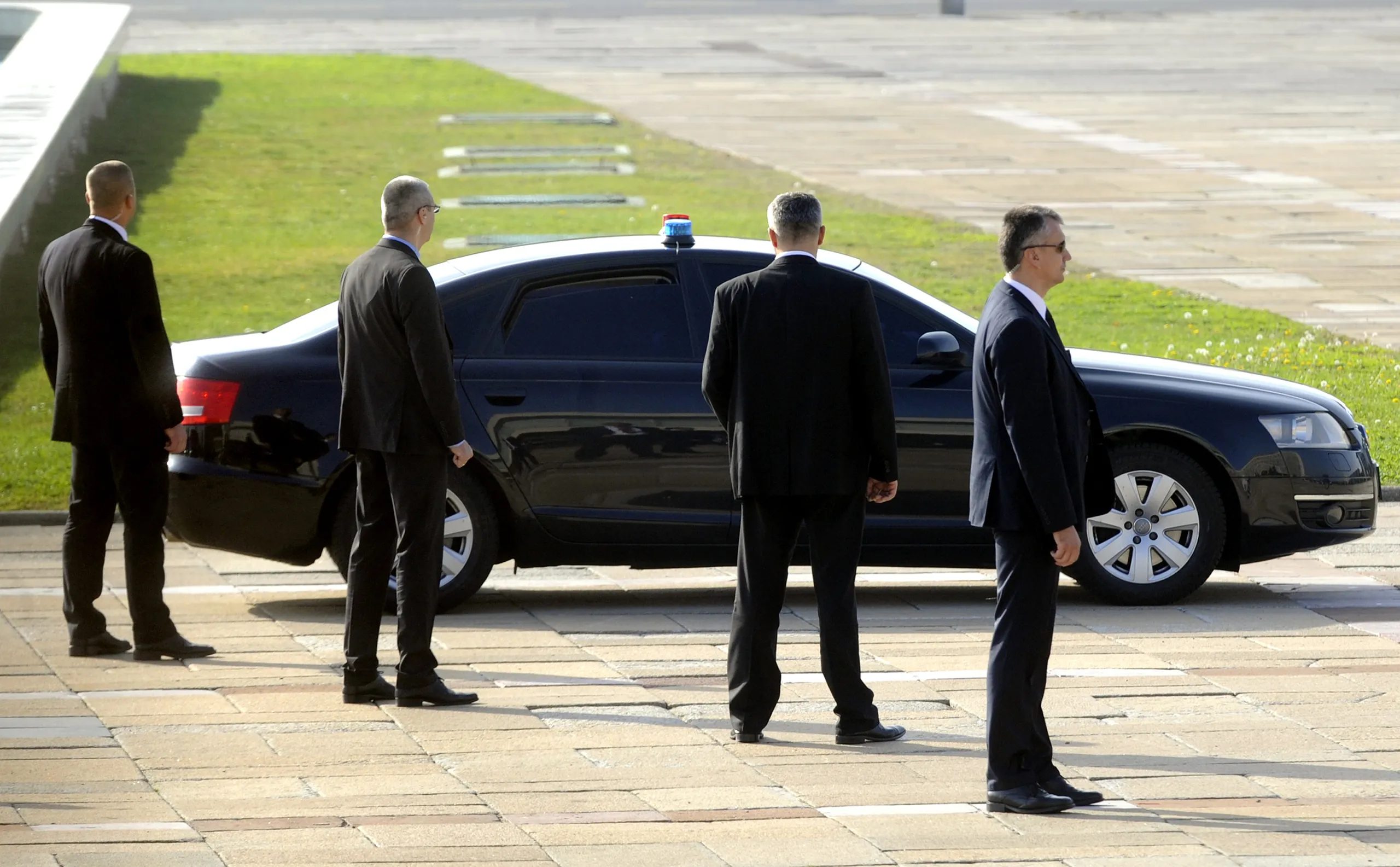
For principals with an elevated personal threat profile or those visiting Iceland’s growing renewable energy and sovereign wealth investment community, a vetted security driver with environmental monitoring capability is the appropriate baseline. Operators must hold authorisation under Act No. 58/1997 from the Ríkislögreglustjóri. Our executive protection services in Reykjavik are configured for the Icelandic environment with an emphasis on logistics, contingency planning, and environmental risk. Vetted security drivers in Reykjavik cover KEF airport transfers with real-time IMO weather monitoring. For regional context, see our briefings for Edinburgh and London.
What are the main security threats in Reykjavik?
Environmental and weather risk
Iceland's primary security consideration for corporate and executive visitors is environmental rather than criminal. The Icelandic Meteorological Office (IMO) manages real-time volcanic and geomagnetic alerts across the country. Fagradalsfjall and Svartsengi volcanic systems have been active since 2021, with eruptions occurring with limited warning. Eruptions near Grindavik and the Reykjanes peninsula (2024-2025) caused temporary closure of the Blue Lagoon and disrupted some Keflavik Airport (KEF) operations. Advance monitoring of IMO alerts is part of standard risk management for Iceland visits.
Alcohol-related disorder in downtown Reykjavik
Reykjavik's 101 district concentrates significant nightlife activity on Friday and Saturday nights, which the Reykjavik Metropolitan Police (Logreglan) documents as the primary source of minor disorder and assault in the city. The risk is low in absolute terms compared to any European peer city, but principals attending late-night social events should maintain heightened awareness in this compressed entertainment district. Incidents involving intoxicated individuals targeting visitors are rare but documented.
Airport transfer distance and weather logistics
Keflavik International Airport (KEF) is 50km from central Reykjavik via the Reykjanes peninsula road (Route 41). This 45-60 minute transfer corridor passes through active volcanic terrain and is subject to severe weather disruption (blizzard, ice, high winds). All executive transport from KEF must include weather monitoring and contingency routing. The Reykjavik City Airport (RKV, 2km from city centre) handles domestic and some charter flights.
Vetted operators with direct experience in Reykjavik
What security services are available in Reykjavik?
Executive Protection
Close protection for sovereign wealth and private equity principals visiting Iceland's renewable energy and geothermal investment sector.
Security Drivers
Vetted transfers from Keflavik International Airport (KEF) with weather-monitoring and contingency routing on the Reykjanes peninsula corridor.
Residential Security
Property surveys and security management for long-stay executive visitors and renewable energy sector delegations.
Risk Assessment
Pre-visit environmental and operational risk assessment incorporating IMO volcanic and weather alerts and contingency evacuation planning.
What are the rules for private security in Reykjavik?
Key regulatory requirements for operating security services in Reykjavik.
Firearms Policy
The Security Services Act (No. 58/1997) contains no provisions on weapons, and the rules on whether private security staff in Iceland may carry them could not be confirmed against a primary source on 7 October 2026. Ask any provider which permit covers each weapon, and take local legal advice before engagement.
Licensing
Under Article 1 of Iceland's Security Services Act (Lög um öryggisþjónustu, No. 58/1997), providing security services commercially needs a licence from the National Commissioner of Police (Ríkislögreglustjóri). The Article lists patrols and surveillance, transporting valuables, responding to calls for personal assistance and alarm response, plus similar services the Commissioner decides on; close protection is not named. Ask any provider for its licence and the services it covers before engagement.
Foreign Operators
The Security Services Act sets no separate rule for foreign or EEA companies; a licence from the National Commissioner of Police is needed to provide security services commercially. Take local legal advice before a foreign team carries out protective duties.
Sources, checked : Lög um öryggisþjónustu nr. 58/1997, Alþingi law collection (current text).
Which areas of Reykjavik carry elevated risk?
Lower-Risk Areas
- Entire Reykjavik metropolitan area - uniformly low crime by European standards
- Laugardalur and Grafarvogur - eastern residential areas, negligible crime
- Hafnarfjordur and Kopavogur - southern suburbs, well-policed, very low crime
Elevated-Risk Areas
- 101 Reykjavik downtown on Friday and Saturday nights after 00:00 - minor elevation due to nightlife concentration; by no means high risk
Deploying to Reykjavik? Get a vetted close protection detail.
Request ConsultationWho do you call in an emergency in Reykjavik?
Emergency services (police, fire, ambulance)
112
Reykjavik Metropolitan Police (Logreglan)
+354 444 1000
Landspitali National University Hospital
+354 543 1000
Icelandic Meteorological Office (volcanic alerts)
+354 522 6000
What travel advisories apply to Reykjavik?
- FCDO Iceland travel advice (2026): normal precautions. Specific note on volcanic activity and severe weather risk on the Reykjanes peninsula.
- US State Department Level 1 (Exercise Normal Precautions) for Iceland (2026).
- IMO volcanic alert (2025/2026): ongoing eruptive activity at Fagradalsfjall and Svartsengi systems. Monitor IMO.is for real-time status. KEF closure during eruption events is possible.
- KEF to Reykjavik transfer (50km, Route 41): severe weather disruption is operationally significant. All executive transport must monitor IMO weather and road condition alerts (road.is) for the Reykjanes corridor.
- Medical: Landspitali National University Hospital (+354 543 1000) is the only major acute care facility in Iceland. Medical evacuation for complex cases routes to London or Copenhagen.
Frequently Asked Questions
Is Reykjavik one of the safest cities in the world?
How does volcanic activity affect executive operations in Reykjavik?
What close protection services are appropriate in Reykjavik?
What medical provision is available in Reykjavik?
This page is published by CloseProtectionHire.com and written to editorial standards overseen by James Calloway, Senior Security Consultant (regulation, licensing, vetting and risk frameworks) and Marcus Webb, Security Operations Adviser (operational close protection, secure transport and city-specific safety).
Threat, regulatory and emergency information is sourced to named, dated authorities such as the FCDO, the US State Department and national licensing bodies. Last updated . See how we verify.