
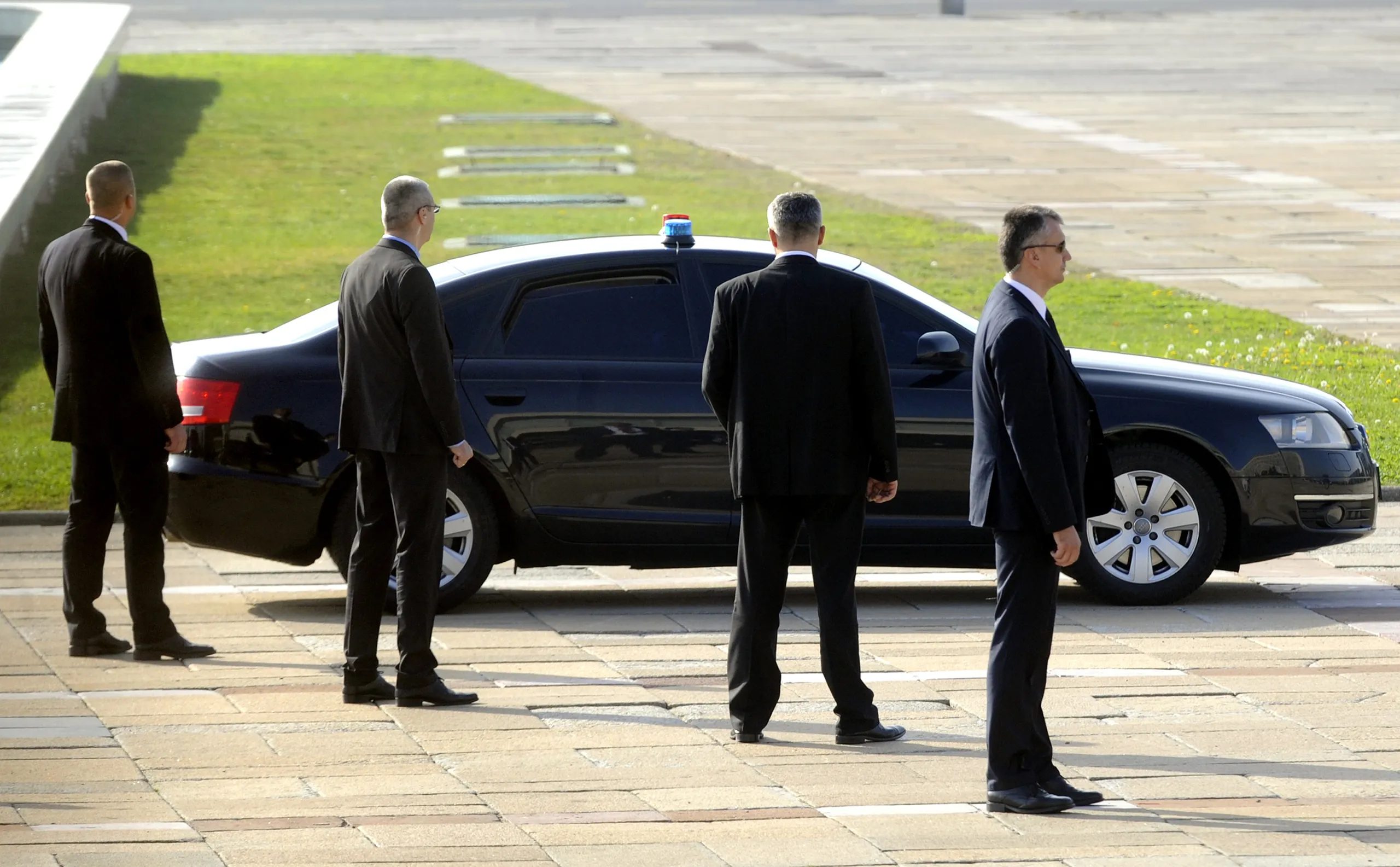
Planning travel to Podgorica? Speak with a security consultant.
Podgorica is the capital of Montenegro, a small Adriatic nation of approximately 620,000 people that joined NATO in 2017 and has been in EU accession negotiations since 2012. The city’s security environment is dominated by the ongoing conflict between the Kavac and Skaljari organised crime clans – rival drug trafficking networks that have been at war since 2016 and whose conflict has produced targeted killings in public spaces, including incidents in Podgorica itself. The FCDO specifically advises visitors to be alert to the risk of bystander exposure to criminal violence (FCDO Montenegro travel advice, 2026).
For corporate visitors to Podgorica, the primary security considerations are awareness of the organised crime threat landscape, the use of vetted transport, appropriate due-diligence for business dealings in a market with residual governance challenges, and road safety on Montenegro’s mountain roads. The US State Department advises Exercise Normal Precautions (Level 1, 2026).
Montenegro’s growing tourism and real estate investment sector, and its status as one of Europe’s smaller but developing financial service centres, is attracting increasing international business activity. Executive protection and security driver services are available through licensed Montenegrin operators. For regional security context, see our security briefing for Tirana and our Sarajevo security briefing.
What are the main security threats in Podgorica?
Organised Crime and Inter-Clan Violence
Montenegro has been affected by a prolonged and violent conflict between rival drug trafficking organisations, principally the Kavac clan and the Skaljari clan, since 2016. This conflict has resulted in dozens of killings and has exported violence to other countries where both clans operate. The FCDO specifically warns visitors to be alert to the risk of bystander exposure to criminal violence (FCDO Montenegro travel advice, 2026). Montenegro's position on drug trafficking routes from South America through the Balkans to Western Europe has given these clans significant financial resources.
Corruption and Governance
Montenegro's EU accession process has driven anti-corruption reforms, but the country has historically had close links between organised crime and political networks. The FCDO notes organised crime as a specific concern. The business environment requires due-diligence procedures appropriate to a jurisdiction with residual governance challenges.
Road Safety
Montenegro's mountainous terrain, seasonal tourism traffic, and inconsistent driving standards contribute to elevated road accident rates. The FCDO notes road safety as a concern for visitors, particularly on mountain roads and at night.
Vetted operators with direct experience in Podgorica
What security services are available in Podgorica?
Executive Protection
Discrete close protection for corporate executives and high-net-worth individuals visiting Podgorica for business, real estate, and investment engagements.
Security Drivers
Vetted security transport for Podgorica airport transfers and city movement with drivers experienced in local security conditions.
Residential Security
Residential security surveys for executive accommodation and diplomatic residences in Podgorica.
Risk Assessment
Country risk assessment and due-diligence support for organisations entering the Montenegrin market.
What are the rules for private security in Podgorica?
Key regulatory requirements for operating security services in Podgorica.
Firearms Policy
Security companies may acquire firearms and ammunition for staff doing physical protection and must store them securely (art. 16). Firearm use is limited to holders of the protection officer for persons and property (zaštitar lica i imovine) and cash-escort licences, and only where other means of force cannot protect life in immediate danger (art. 53). A holder of the bodyguard (tjelohranitelj) licence may not use firearms (art. 47(5)). Commercial close protection in Podgorica is typically unarmed.
Licensing
Private security in Montenegro is governed by the Law on the Protection of Persons and Property (Službeni list Crne Gore 43/2018, amended 89/2025), not a 2012 'Law on Private Security'. The police issue the approval a company needs to provide protection (art. 18) and the individual licence for protection work (art. 33), with appeal to the Ministry of Interior, which also supervises compliance (art. 73). Protecting people is covered (art. 8), and bodyguard (tjelohranitelj) is a separate licence (art. 28).
Foreign Operators
The responsible person in a security company and each licence holder must have residence or approved stay in Montenegro (arts. 20 and 29); provisions opening these roles to EU, EEA and Swiss citizens apply from Montenegro's EU accession date (arts. 20a, 29a, 82a). A foreign protection officer therefore cannot work under a home-country licence; international operators partner with Montenegrin companies holding police approval.
Which areas of Podgorica carry elevated risk?
Lower-Risk Areas
- Central Podgorica, including the Old City (Stara Varos) and the main hotel and commercial areas, is generally safe for visitors during business hours.
- The airport road corridor (Podgorica Airport TGD) is a standard business route with established transport options.
Elevated-Risk Areas
- Some outer Podgorica residential areas: criminal activity from organised crime presence.
- Mountain roads at night: elevated road accident risk.
- Popular nightlife areas late at night: bystander risk from organised crime violence at entertainment venues.
Deploying to Podgorica? Get a vetted close protection detail.
Request ConsultationWho do you call in an emergency in Podgorica?
Police
122
Fire service
123
Medical emergency
124
Clinical Center of Montenegro
+382 20 412 412
Codra Hospital (private, English-speaking, surgery and anaesthesia), Radosava Burica, pod Ljubovic, Podgorica
+382 69 300 300
Emergency Services (112, answered by Operational Communications Centre 112 at the Ministry of Interior, which forwards to police, rescue, ambulance or maritime safety)
112
What travel advisories apply to Podgorica?
- The FCDO advises exercising a high degree of caution in Montenegro, noting organised crime violence including incidents that affect bystanders. Source: FCDO Montenegro travel advice (2026).
- The US State Department advises Exercise Normal Precautions in Montenegro (Level 1, 2026).
- Be alert to the ongoing conflict between the Kavac and Skaljari organised crime clans, which has produced targeted killings in public spaces including restaurants and public areas. Avoid known criminal hotspots.
- Podgorica Airport (TGD) provides connections to European hubs. Pre-arrange vetted transport for arrivals; use only verified transport services.
- Medical care in Podgorica is available at the Clinical Center of Montenegro. For specialist care, medical evacuation to Belgrade, Tirana, or Vienna is standard contingency. Arrange comprehensive medical insurance with evacuation cover.
Frequently Asked Questions
What is the organised crime threat to visitors in Podgorica?
Is close protection available in Podgorica?
How is Montenegro's EU accession process affecting the security environment?
What are the medical facilities in Podgorica?
This page is published by CloseProtectionHire.com and written to editorial standards overseen by James Calloway, Senior Security Consultant (regulation, licensing, vetting and risk frameworks) and Marcus Webb, Security Operations Adviser (operational close protection, secure transport and city-specific safety).
Threat, regulatory and emergency information is sourced to named, dated authorities such as the FCDO, the US State Department and national licensing bodies. Last updated . See how we verify.