
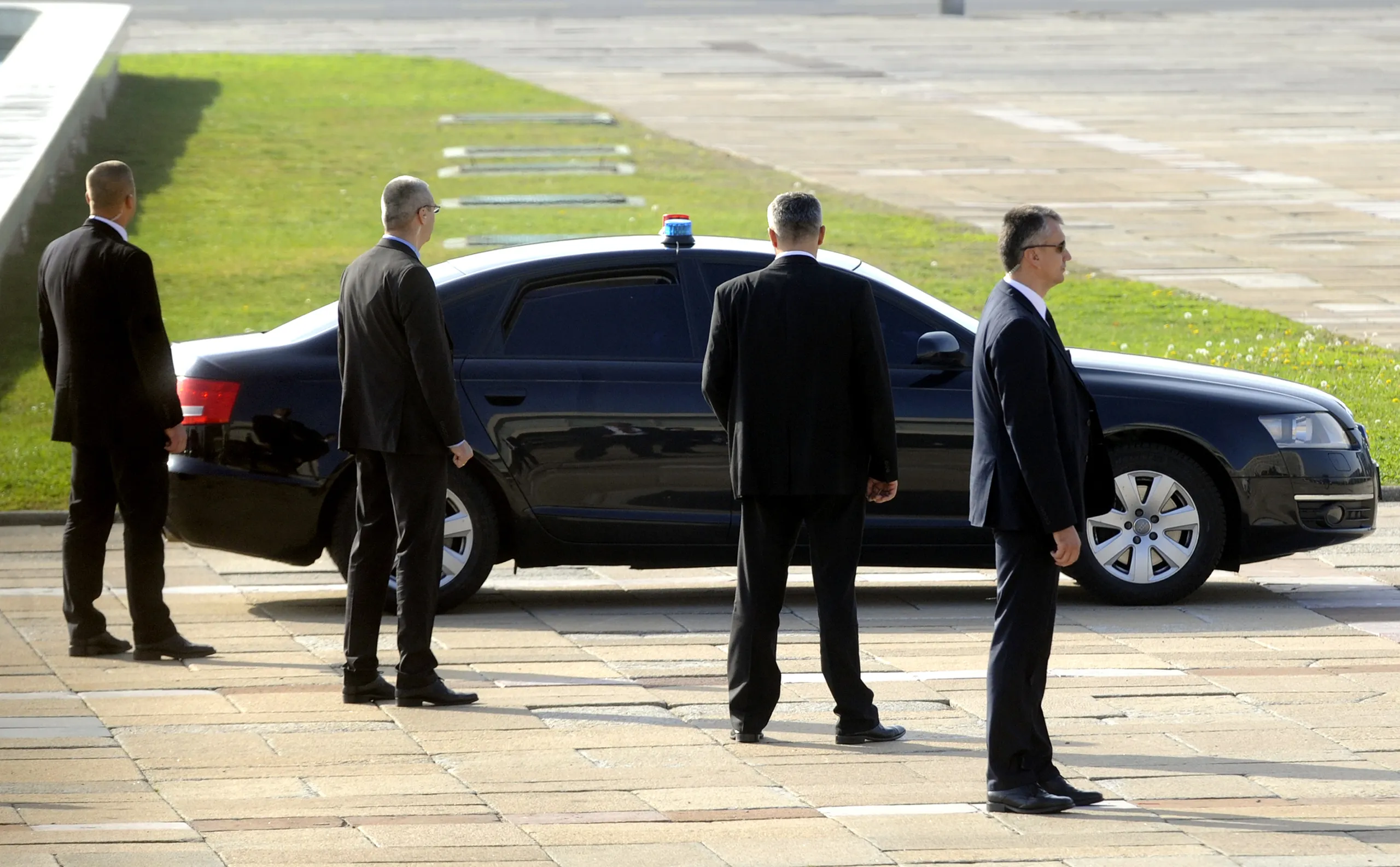
Planning travel to Nassau? Speak with a security consultant.
Nassau is the capital of The Bahamas and one of the Caribbean’s most significant offshore financial centres, as well as a leading destination for high-net-worth visitors. Nassau and adjoining Paradise Island host major luxury resorts, a busy private-aviation scene and a steady super-yacht trade. Behind the resort image, however, sits a crime picture that is elevated for the region, which gives professional protection a clear and practical role for financial-sector and HNWI visitors.
Violent crime is the central concern. Nassau has a high murder rate by Caribbean standards: the Nassau Guardian (2024) reported 123 murders in The Bahamas in 2023, drawing on Royal Bahamas Police Force figures, with violence concentrated in specific inner districts of New Providence. The US State Department rates the country at Level 2 (2024), citing violent crime including armed robbery, and incidents have affected visitors in tourist areas such as Cable Beach and near Paradise Island. The key point for visitors is geographic: risk is highly localised, and a team with current knowledge of which districts to avoid can keep a principal well clear of the areas where serious crime concentrates.
Lower-level crime is a more routine consideration. The FCDO Bahamas travel advice (2024) notes pickpocketing and bag-snatching on cruise-ship arrival days at Prince George Wharf, where dense crowds create openings for opportunistic theft. Hurricane risk adds a seasonal dimension that should not be overlooked: The Bahamas sits in the Atlantic hurricane belt, and Category 4 Hurricane Dorian in 2019 caused catastrophic damage and created genuine emergency security conditions, as recorded by the US National Hurricane Center. The season runs from June to November, and contingency planning during these months is prudent. Experienced security drivers in Nassau handle transfers between Lynden Pindling International Airport, resorts and private communities with both crime hotspots and weather in mind.
The Inquiry Agents and Security Guards Act governs the sector, with operators required to hold a licence under the Act. Firearms rules for private security in the Bahamas could not be confirmed against a primary source on 7 October 2026, and most commercial close protection is unarmed. Security guards must be Bahamian citizens, according to the Ministry of National Security’s legal adviser (The Tribune, 25 November 2024), which makes working through a licensed local provider essential.
For HNWI visitors, much of the protective picture in Nassau centres on managed environments. Private communities such as Albany and Lyford Cay, and the Paradise Island resort core, offer controlled access and dedicated security, while the inner districts of New Providence and the cruise wharf on busy days carry the highest exposure. Requirements range from private-aviation and yacht liaison on arrival to residence security and discreet personal protection during movement. Whether the need is estate cover at a private community or bodyguard hire in Nassau for a short visit, the approach is low-profile and grounded in local knowledge.
Nassau combines genuine luxury infrastructure with a real, if localised, crime problem, and the two coexist closely. For most visitors who stay within managed environments and plan their movement, serious incidents are unlikely. A trained protection presence is the means to keep that separation reliable: steering clear of the districts where violence concentrates, managing crowded arrival points, and holding contingency plans for the hurricane season, so that a principal experiences the destination rather than its risks.
What are the main security threats in Nassau?
Violent Crime
Nassau has a high murder rate by Caribbean standards. The Nassau Guardian (2024) reported 123 murders in The Bahamas in 2023, drawing on Royal Bahamas Police Force figures, with violence concentrated in specific districts of New Providence.
Armed Robbery
The US State Department rates The Bahamas at Level 2 (2024), citing violent crime including armed robbery. Incidents have affected visitors in tourist areas such as Cable Beach and near Paradise Island.
Petty Crime
Pickpocketing and bag-snatching occur on cruise-ship arrival days at Prince George Wharf, where dense crowds create opportunities for opportunistic theft, as noted in FCDO Bahamas travel advice (2024).
Hurricane Risk
The Bahamas sits in the Atlantic hurricane belt. Category 4 Hurricane Dorian in 2019 caused catastrophic damage and created emergency security conditions, as recorded by the US National Hurricane Center, with the season running June to November.
Vetted operators with direct experience in Nassau
What security services are available in Nassau?
Executive Close Protection
Discreet personal protection for HNWI, financial-sector and resort visitors at hotels, private communities and during movement.
Secure Transport and Security Driving
Vetted security drivers for transfers between Lynden Pindling International Airport (NAS), resorts and private communities.
Private Aviation and Yacht Liaison
Protective cover for private-aviation and super-yacht arrivals, with secure transfers from terminal or marina.
Residential and Estate Security
Static and mobile protection for private residences in communities such as Albany and Lyford Cay.
What are the rules for private security in Nassau?
Key regulatory requirements for operating security services in Nassau.
Firearms Policy
Firearms rules for private security in the Bahamas could not be confirmed against a primary source on 7 October 2026. Most commercial close protection there is unarmed.
Licensing
Private security in the Bahamas is governed by the Inquiry Agents and Security Guards Act and its regulations. According to the Ministry of National Security's legal adviser, as reported by The Tribune (25 November 2024), no one may provide or act as a security guard without a licence, the company and each guard are licensed separately, guard licences are granted by the Minister of National Security after a three-month vetting process, run from 1 January to 31 December and are not transferable, and all security guards must be Bahamian citizens. The Act text itself could not be read on 7 October 2026. Ask any provider for its company licence and each guard's licence before engagement.
Foreign Operators
Security guards must be Bahamian citizens, according to the Ministry of National Security's legal adviser (The Tribune, 25 November 2024), so a foreign team cannot be licensed as guards. Work through a licensed Bahamian company and take local legal advice.
Sources, checked : The Tribune, 'Private security firms told to professionalise', 25 November 2024 (press report of the Ministry of National Security's account).
Which areas of Nassau carry elevated risk?
Lower-Risk Areas
- Albany and Lyford Cay: private, managed HNWI communities with dedicated security and controlled access.
- Paradise Island resort core: managed resort environment with established hotel and resort security.
Elevated-Risk Areas
- Specific inner districts of New Providence: where the Nassau Guardian (2024) reports violent crime is concentrated.
- Prince George Wharf on cruise days: dense crowds raise the risk of opportunistic theft.
Deploying to Nassau? Get a vetted close protection detail.
Request ConsultationWho do you call in an emergency in Nassau?
Emergency Services
911
Police
919
Ambulance
911
Royal Bahamas Police Force HQ
+1 242 322 4444
British High Commission Nassau
+1 242 325 7471
US Embassy Nassau
+1 242 322 1181
Princess Margaret Hospital, Elizabeth Ave and Shirley St (accident and emergency)
+1 242 326 7014
Doctors Hospital, 1 Collins Ave and Shirley St (emergency room)
+1 242 302 4658
Doctors Hospital ambulance and EMT dispatch
+1 242 302 4747
Lyford Cay Hospital, Western Road
+1 242 362 4400
What travel advisories apply to Nassau?
- The US State Department rates The Bahamas at Level 2 (2024), citing violent crime including armed robbery affecting tourist areas; maintain situational awareness, especially after dark.
- The Nassau Guardian (2024) reported 123 murders in 2023 from Royal Bahamas Police Force figures; avoid specific inner districts of New Providence where violence is concentrated.
- The US National Hurricane Center records severe storm risk; monitor forecasts during the June to November hurricane season and follow official guidance.
Frequently Asked Questions
Is Nassau safe for HNWI and financial-sector visitors?
Where is crime concentrated in Nassau?
Is armed close protection available in Nassau?
How is private security regulated in The Bahamas?
This page is published by CloseProtectionHire.com and written to editorial standards overseen by James Calloway, Senior Security Consultant (regulation, licensing, vetting and risk frameworks) and Marcus Webb, Security Operations Adviser (operational close protection, secure transport and city-specific safety).
Threat, regulatory and emergency information is sourced to named, dated authorities such as the FCDO, the US State Department and national licensing bodies. Last updated . See how we verify.