
Planning travel to Monrovia? Speak with a security consultant.
Monrovia is the capital of Liberia, a West African country of approximately 5 million people with a history shaped by two devastating civil wars (1989 to 1996 and 1999 to 2003) and an Ebola epidemic (2014 to 2016). Post-conflict reconstruction has been underway for over two decades, supported by a large international community, but state institutions including the police, judiciary, and health system remain fragile. International business in Liberia is driven by iron ore (ArcelorMittal), the world’s largest natural rubber plantation (Firestone, near Harbel), gold and diamond mining, timber, and one of the world’s largest shipping flag registries by tonnage. The Mamba Point diplomatic district houses most international organisations and visiting corporate personnel.
The security environment in Monrovia is high risk. The FCDO advises a high degree of caution throughout Liberia. Armed robbery and carjacking targeting international visitors are documented. The 60km Roberts International Airport transfer is the most significant logistical security challenge. Medical evacuation capability is a prerequisite for any Liberia engagement. Source: FCDO Liberia travel advice (2026); US State Dept Liberia Level 2 travel advisory (2026).
For regional staging and medical evacuation, Accra in Ghana and Abidjan in Cote d’Ivoire are the primary regional hubs with direct air connections. Roberts International Airport (ROB) is approximately 60km southeast of Monrovia.
What are the main security threats in Monrovia?
Violent Crime and Robbery
Armed robbery, mugging, and carjacking are documented in Monrovia. Criminal targeting of international visitors and NGO vehicles has been reported. The city centre commercial areas, the Waterside market district, and areas after dark carry elevated risk. Limited police capacity means response times are slow. Source: FCDO Liberia travel advice (2026).
Post-Conflict Institutional Fragility
Liberia experienced two devastating civil wars (1989 to 1996 and 1999 to 2003), leaving deeply weakened state institutions, security forces, and infrastructure. UNMIL (UN Mission in Liberia) completed its mandate and withdrew in 2018. Institutional capacity-building is ongoing, but the police and judicial systems remain fragile. This context underpins the security planning requirements for all international visitors.
Road Safety and Infrastructure
Monrovia's road infrastructure is significantly degraded. Road conditions are poor, particularly outside the main paved routes, and flooding during the heavy rainy season (May to October) can make certain routes impassable. Vehicle condition and driver experience are relevant safety factors for all in-city movements.
Disease and Medical Risk
Liberia has a documented history of severe disease outbreaks, most notably the 2014 to 2016 Ebola epidemic that caused significant international concern. Malaria, typhoid, and other tropical diseases are endemic. Medical facilities in Monrovia are very limited. Medical evacuation to Accra or Abidjan is essential for serious conditions. A medevac provider must be confirmed before any Liberia engagement.
Vetted operators with direct experience in Monrovia
What security services are available in Monrovia?
Security Drivers
Vetted security drivers for transfers from Roberts International Airport (ROB) or Spriggs Payne Airport (MLW) and all in-city corporate movement in Monrovia.
Bodyguard Hire
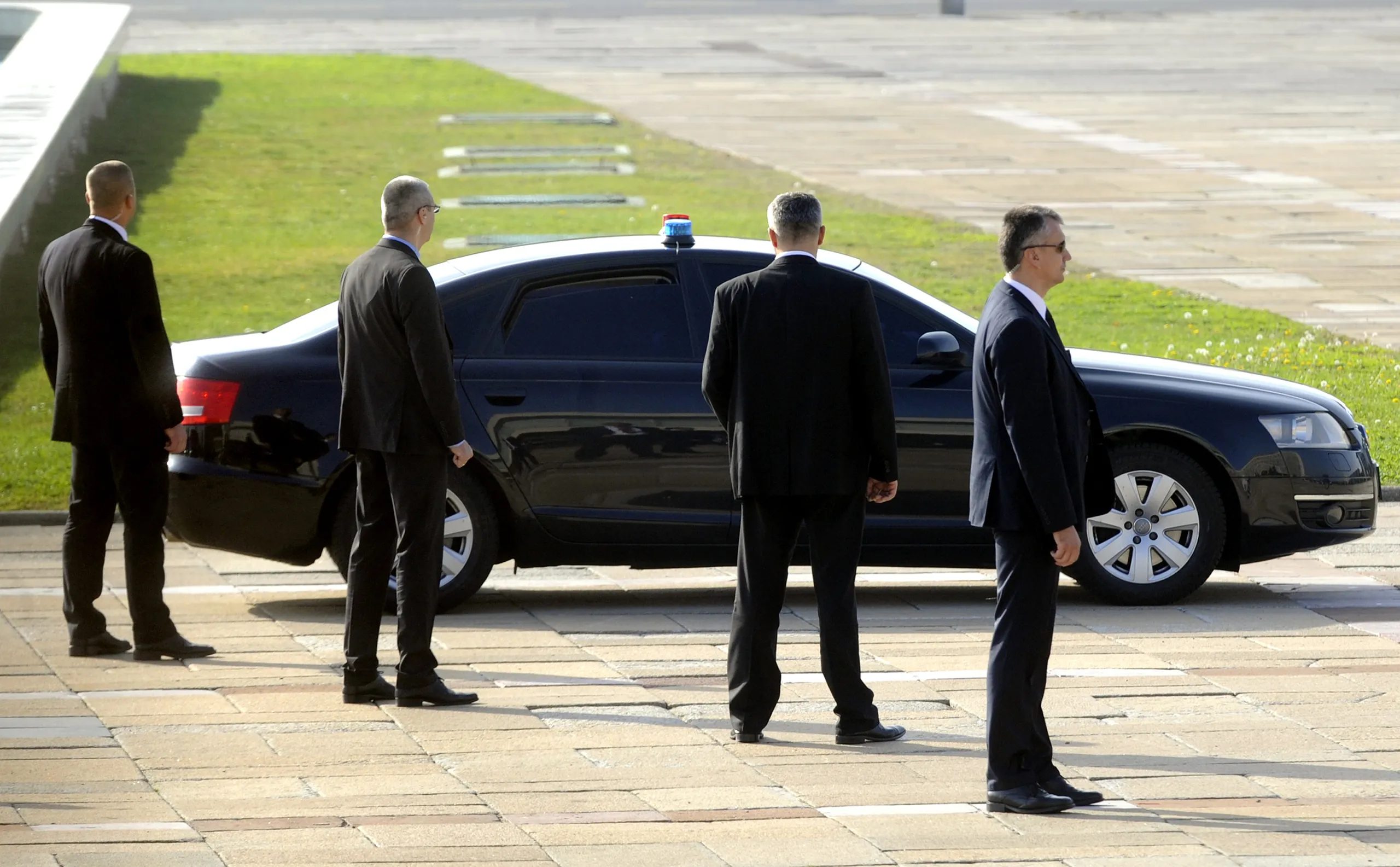
Close protection officers for mining executives, NGO senior staff, diplomatic visitors, and visiting delegations.
Executive Protection
Structured EP programmes for principals with sustained Monrovia presence in the resources, development, or diplomatic sectors.
Risk Assessment
Pre-visit security assessment covering Monrovia's current threat picture, the airport transfer situation, and the broader Liberia operating environment.
What are the rules for private security in Monrovia?
Key regulatory requirements for operating security services in Monrovia.
Firearms Policy
No published rule allowing private security guards in Liberia to carry firearms could be found on 22 October 2026, and private security companies interviewed for the Private Security Observatory said they were not allowed to carry firearms. Plan close protection in Monrovia as unarmed, and confirm in writing before an assignment starts whether any armed element is lawful and who would provide it.
Licensing
Private security in Liberia is overseen by the Ministry of Justice. Its Division of Public Safety receives and evaluates applications for the establishment and operation of private security guard services, receives reports from private security agencies and investigates complaints against officers and companies. No published private security statute could be found; the Ministry issued Guidelines to Organise and Operate Private Security Agencies in 2007 or 2008, which are not published online. Ask any provider for its Ministry of Justice operating permit.
Foreign Operators
The rules for foreign security companies and foreign protection officers in Liberia could not be confirmed against a published source on 22 October 2026. Work through a Liberian company that holds a Ministry of Justice operating permit, and take local legal advice before a foreign team carries out protective duties.
Sources, checked : Ministry of Justice of Liberia, Division of Public Safety mandate (applications for the establishment and operation of private security guard services); Private Security Observatory, Liberia: national private security regulation and overview (Ministry of Justice guidelines, firearms).
Which areas of Monrovia carry elevated risk?
Lower-Risk Areas
- Mamba Point: the diplomatic district with embassy compounds, international NGO offices, and the main hotels used by international visitors. The recommended base for corporate and humanitarian visitors.
- Capital Hill / Capitol Building area: the administrative and government district.
- Sinkor: established residential and commercial area used by expatriate and diplomatic communities.
Elevated-Risk Areas
- Waterside market and central commercial areas: elevated robbery and theft risk.
- Outer residential areas and suburbs: higher crime exposure after dark.
- Roberts International Airport road (approximately 60km from Monrovia): long transfer road with security planning requirements.
Deploying to Monrovia? Get a vetted close protection detail.
Request ConsultationWho do you call in an emergency in Monrovia?
Liberia National Police
911
Ambulance (Emergency Medical Services)
911
John F. Kennedy Memorial Hospital
+231 886 555 000
US Embassy Monrovia
+231 77 677 7000
What travel advisories apply to Monrovia?
- The FCDO advises a high degree of caution throughout Liberia, including Monrovia. Armed robbery and carjacking are documented risks. Source: FCDO Liberia travel advice (2026).
- The US State Department advises increased caution for Liberia (Level 2) due to crime. Source: US State Dept Liberia travel advisory (2026).
- Roberts International Airport (ROB) is approximately 60km southeast of Monrovia. The long transfer road requires security planning, particularly for night arrivals. Spriggs Payne Airport (MLW) within Monrovia handles domestic and charter flights. Pre-arrange all airport transfers with vetted transport.
- Medical facilities in Monrovia are very limited. John F. Kennedy Memorial Hospital provides limited public care. For serious trauma or complex medical conditions, medical evacuation to Accra, Ghana or Abidjan, Cote d'Ivoire (both approximately 1 hour by air) is the appropriate response. A medevac provider must be confirmed before any Liberia engagement.
Frequently Asked Questions
Is Monrovia safe for business travel?
Which industries bring international visitors to Monrovia?
How should the Roberts International Airport transfer be managed?
What is the medical evacuation plan for Monrovia?
This page is published by CloseProtectionHire.com and written to editorial standards overseen by James Calloway, Senior Security Consultant (regulation, licensing, vetting and risk frameworks) and Marcus Webb, Security Operations Adviser (operational close protection, secure transport and city-specific safety).
Threat, regulatory and emergency information is sourced to named, dated authorities such as the FCDO, the US State Department and national licensing bodies. Last updated . See how we verify.