
Planning travel to Marseille? Speak with a security consultant.
Marseille is a city of contrasts that presents a more complex security picture than most other major French business destinations. As France’s second-largest city, Mediterranean gateway, and home to one of Europe’s largest port complexes, it attracts a substantial flow of corporate executives, port-sector professionals, logistics and energy industry visitors, and conference delegates. The Euroméditerranée development project has transformed the northern waterfront over two decades, creating a modern business district that now houses major French and international companies in an environment that bears little resemblance to the city’s more challenging northern arrondissements.
The security picture for business travel in Marseille requires specific geographic literacy. The organised crime networks operating in Marseille’s northern districts (13e to 16e arrondissements) are primarily engaged in drug trafficking and intra-criminal violence. While gang-related shootings have occasionally resulted in bystander fatalities, this activity is geographically concentrated and rarely overlaps with the zones where corporate executives operate. The Vieux-Port, the Euroméditerranée district, the Prado commercial area, and the southern residential arrondissements have a materially different risk profile. Effective security planning in Marseille is fundamentally about understanding which parts of the city present elevated risk and which do not.
France’s elevated terrorism threat level is a constant backdrop to any executive travel in France. The Plan Vigipirate system, at its current Urgence attentat level, reflects the ongoing threat from jihadist terrorism that has resulted in multiple high-casualty attacks across France since 2015. In Marseille, the practical effect is a visible armed police presence (notably the GIPN intervention units and Brigade Anti-Criminalite) in the city centre and at transport hubs, enhanced checks at Marseille Provence Airport, and a general security posture that is more visible than in lower-risk European cities. Executives and their security teams should factor this into operational planning: police checkpoints and security cordons can affect movement timing, particularly around major events.
The maritime and port environment adds a distinct dimension for energy sector and logistics executives. The Zone Industrielle de Fos-sur-Mer petrochemical corridor, approximately 50km west of Marseille, hosts some of France’s largest industrial installations. Access requires specific port and industrial security clearances, and executives visiting operational sites should coordinate access credentials well in advance of arrival. Secure chauffeured transport that can accommodate the 50km drive to Fos from city-centre hotels, with drivers familiar with industrial zone access protocols, is the appropriate transport arrangement for these visits.
Security Services in Marseille
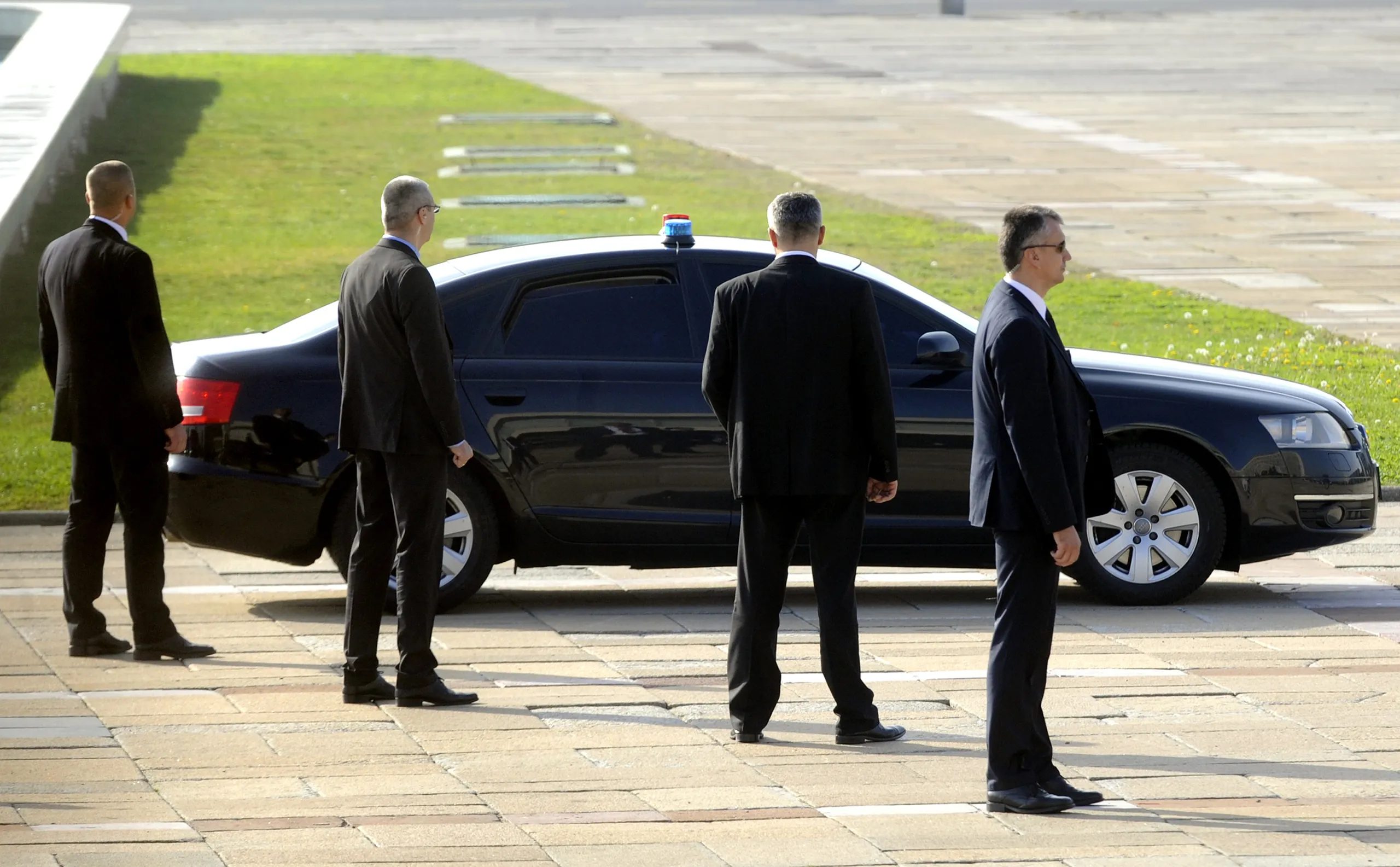
Close protection in Marseille draws on teams with knowledge of the city’s arrondissement geography and the specific access requirements for the port and industrial zones. CNAPS-registered operators are the only lawful option for commercial security services in France, and all security arrangements should confirm CNAPS status before engagement. Advance security surveys of conference venues, including the Palais du Pharo and CCI Marseille facilities, are recommended for events with senior principal attendance.
Secure transport from Marseille Provence Airport (MRS, Marignane) to city-centre venues should allow 60-90 minutes for the 27km journey, accounting for congestion on the A55 approach. This is a journey that rewards having a driver with genuine local knowledge of alternate routes.
For related security services in Marseille, see our bodyguard hire in Marseille and security drivers in Marseille pages.
What are the main security threats in Marseille?
Organised Crime and Gang Violence
Marseille has the highest concentration of organised crime activity of any French city, with significant drug trafficking networks controlling parts of the northern arrondissements. Gang-related shootings, while primarily intra-criminal, have occasionally affected bystanders in northern districts (13e-16e arrondissements). The French Interior Ministry's crime statistics consistently place Marseille above the national average for violent crime. Corporate executives are not the primary target of organised crime, but awareness of the areas where gang activity is concentrated is essential for movement planning.
Terrorism Awareness
France operates at an elevated national terrorism threat level (Plan Vigipirate: Urgence attentat), a posture that has been in place since the January 2015 Paris attacks and has been renewed multiple times. The FCDO France travel advice (updated 2024) specifically notes the terrorism risk and the heightened security presence at tourist sites, transport hubs, and public spaces. Marseille, as France's second city and a major port, is subject to the same threat environment as Paris and Lyon.
Petty Crime and Opportunistic Theft
The Vieux-Port (Old Port) area, La Canebiere, and the Noailles market district experience high levels of pickpocketing, bag snatching, and opportunistic theft. Marseille's crime rates are among the highest in metropolitan France. Executives moving through tourist and market areas without protective cover should maintain heightened situational awareness.
Maritime and Port Security
As France's largest port and one of the Mediterranean's major commercial and cruise terminals, Marseille's port environment carries specific security considerations for executives engaged in maritime commerce, energy logistics, and petrochemicals. The Zone Industrielle de Fos-sur-Mer petrochemical corridor (approximately 50km west) has specific access control and industrial security requirements for visiting executives.
Vetted operators with direct experience in Marseille
What security services are available in Marseille?
Executive Close Protection
Personal protection for corporate executives, senior business visitors, and high-profile individuals in Marseille. Teams with knowledge of Marseille's arrondissement geography and the specific risk profile of port, commercial, and hotel districts.
Secure Chauffeured Transport
Secure airport transfers from Marseille Provence Airport (MRS) in Marignane, with experienced drivers for city-centre and port district movement. Armoured options available for elevated-profile principals.
Maritime and Port Sector Security
Security support for executives visiting the Port de Marseille Fos, offshore energy facilities, and the Zone Industrielle de Fos-sur-Mer. Coordination with port authority security where required.
Event Security
Security planning and personnel for corporate events at Marseille's Palais du Pharo, CCI Marseille venues, and major city hotels. Advance venue surveys and liaison with CNAPS-registered local providers.
Advance Security Surveys
Pre-visit security assessment of hotels, conference facilities, and meeting venues across Marseille. Emergency access, medical facility identification, and evacuation route planning.
What are the rules for private security in Marseille?
Key regulatory requirements for operating security services in Marseille.
Firearms Policy
Close protection officers in France may be authorised to carry arms only when they protect a person exposed to exceptional risks to their life (Code de la sécurité intérieure, article L613-12). The authorisation lasts at most 1 year, is renewable on the same conditions, and names the protected person and the types of weapon allowed.
Licensing
Protection physique des personnes is a regulated private security activity under Book VI of the Code de la sécurité intérieure, overseen by the Conseil National des Activités Privées de Sécurité (CNAPS). The company needs a CNAPS authorisation to operate (autorisation d'exercer), its managers an agrément, and each officer a carte professionnelle valid for 5 years. Managing or holding a stake in such a business without the required approval is punishable by 3 years' imprisonment and a 45,000 euro fine.
Foreign Operators
The Code also covers firms established in another EU or EEA state that are not registered in France. Officers must show sufficient knowledge of French, and nationals of countries outside the EU must have held a French residence permit for at least 5 years. A visiting foreign team does not gain a right to work in France without these titles; ask any provider for its CNAPS authorisation number and each officer's carte professionnelle.
Sources, checked : Bpifrance Création, Agent de protection physique des personnes: réglementation (updated 20 September 2024); Soulier Avocats, Overview of the French legal framework applicable to private protection officers (2021).
Which areas of Marseille carry elevated risk?
Lower-Risk Areas
- Vieux-Port and 1er arrondissement (commercial core): Busy tourist and business area with significant police presence. Petty crime risk but low violent crime targeting executives.
- Euroméditerranée business district (2e-3e): Marseille's main modern business quarter. Purpose-built with contemporary security infrastructure. Home to major corporate headquarters and La Joliette marina development.
- Prado and 8e arrondissement (south): Residential and business district with Marseille's lower crime profile. Popular for executive accommodation and corporate hospitality.
Elevated-Risk Areas
- Northern arrondissements (13e-16e): Highest concentration of gang activity and violent crime in Marseille. Executives should not travel to these areas without specific operational need and appropriate security.
- Noailles and Belsunce (1e-2e border area): High petty crime density. Market environment with dense crowds and documented pickpocketing. Avoid for unaccompanied movement.
- La Belle de Mai and Cinq Avenues: North of city centre. Elevated crime profile with limited tourist presence.
Deploying to Marseille? Get a vetted close protection detail.
Request ConsultationWho do you call in an emergency in Marseille?
Police
17
SAMU (Medical Emergency)
15
Fire (Sapeurs-Pompiers)
18
Unified Emergency
112
CHU Nord Marseille
+33 4 91 96 44 44
British Consulate Marseille
+33 4 91 15 72 10
What travel advisories apply to Marseille?
- France operates at the highest level of its terrorism alert system (Plan Vigipirate: Urgence attentat). The FCDO France travel advice (2024) advises vigilance in crowded places, transport hubs, and at major public events. Report any suspicious items or behaviour to police immediately.
- Marseille's northern arrondissements have France's highest concentration of gang-related violence. These areas should be avoided for executive travel. The risk of being caught in gang-related incidents, while primarily directed at criminal competitors, is genuinely elevated in specific northern districts.
- Marseille Provence Airport (MRS) is located in Marignane, approximately 27km northwest of the city centre. Journey time can vary significantly due to traffic on the A55 and A7 motorway approaches. Build at least 90 minutes into airport transfer schedules.
Frequently Asked Questions
Is Marseille safe for business travel?
What is CNAPS and why does it matter for security in Marseille?
How does France's terrorism threat level affect executive travel to Marseille?
What are the security considerations for visiting the Port de Marseille?
Which hotels in Marseille are recommended for corporate security?
This page is published by CloseProtectionHire.com and written to editorial standards overseen by James Calloway, Senior Security Consultant (regulation, licensing, vetting and risk frameworks) and Marcus Webb, Security Operations Adviser (operational close protection, secure transport and city-specific safety).
Threat, regulatory and emergency information is sourced to named, dated authorities such as the FCDO, the US State Department and national licensing bodies. Last updated . See how we verify.