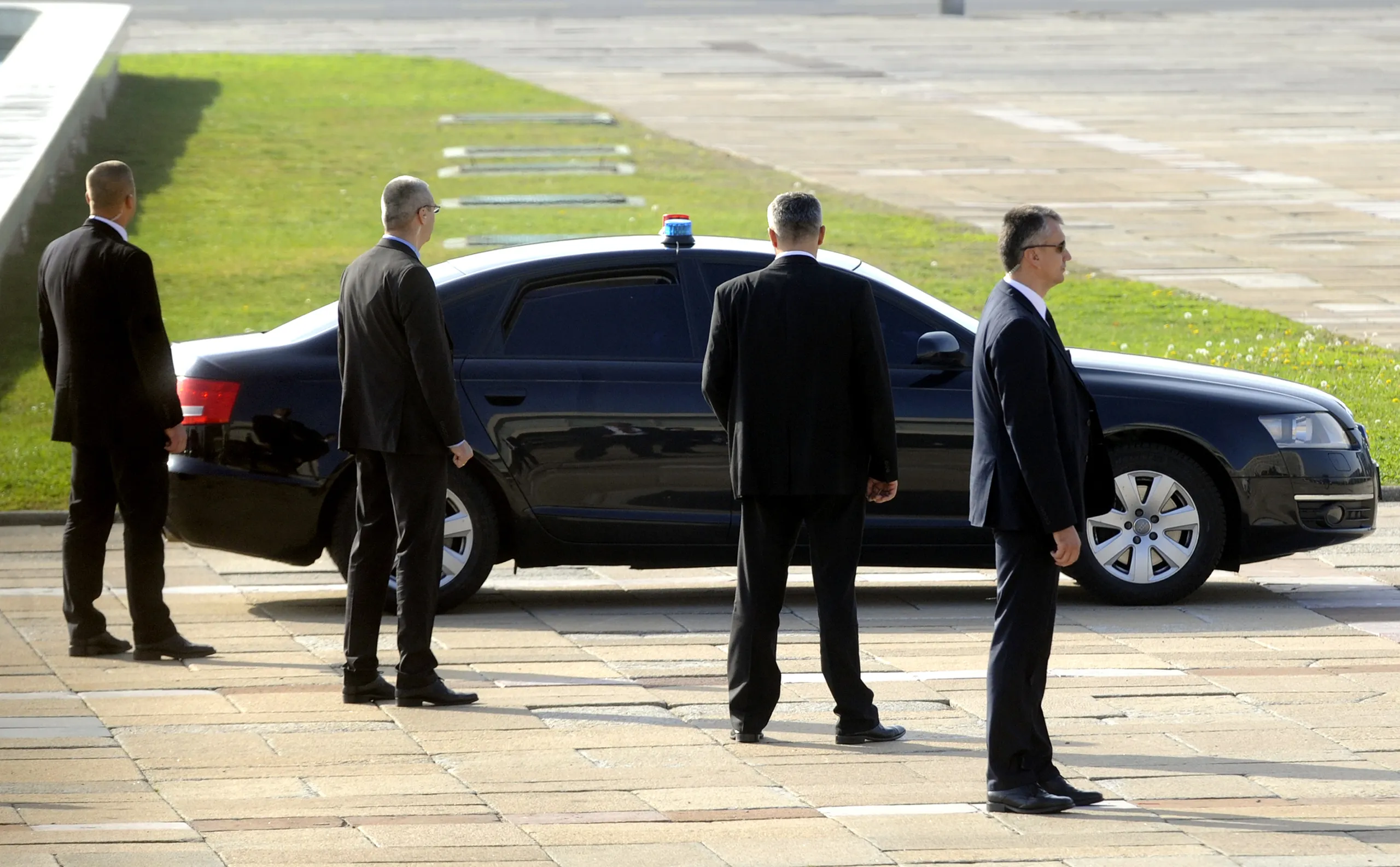
Venezuela · Close Protection & Executive Security
Close Protection in Maracaibo, Venezuela
Close protection and executive security in Maracaibo, Venezuela. High-risk environment, kidnapping mitigation and trained teams for oil-sector personnel.
Planning travel to Maracaibo? Speak with a security consultant.
Maracaibo is Venezuela’s second city and the historic centre of its oil industry, set on the shores of Lake Maracaibo. For most international travellers it is not a destination at all: the FCDO advises against all but essential travel to Venezuela (2024). The visitors who do come are almost entirely oil-sector personnel attached to companies with continuing operations in the country. For them, professional protection is not a discretionary comfort but a baseline requirement, and the planning involved is closer to a hostile-environment deployment than to ordinary corporate travel.
The threat picture is severe and multi-layered. Maracaibo has historically ranked among the world’s most dangerous cities, and UNODC estimates (2022) place Venezuelan homicide rates among the highest in the region, with parts of the Maracaibo area exceeding 80 per 100,000. Violent street crime and armed robbery are persistent. Layered on top is a structured kidnapping threat: InSight Crime reporting documents organised criminal groups running kidnapping as a business in the region, including both express kidnapping and planned abductions of perceived-wealthy targets, with foreign oil-sector personnel a recognised profile. Any protective plan here is built first around kidnap risk mitigation, journey management and coordination with corporate crisis-response and K and R insurers.
Infrastructure collapse compounds the criminal threat in ways that are easy to underestimate. The FCDO (2024) describes severe shortages of power, water and basic services. Prolonged blackouts do not merely inconvenience; they disable CCTV and electronic access controls at residences and compounds, opening security gaps precisely when criminal activity tends to rise. Contingency planning for power loss, including manual access control and alternative communications, is a core part of any serious arrangement. Experienced security drivers in Maracaibo plan movements around these conditions, keeping journeys between airport, compound and worksite short, varied and low-profile.
There is also a state-actor dimension. The FCDO Venezuela travel advice (2024) notes the presence of armed pro-government groups, known as colectivos, alongside an intrusive security apparatus. SEBIN intelligence and colectivos may take an interest in foreign personnel, particularly those connected to the oil sector. This makes discretion, document discipline and a low public profile as important as physical protection. The regulatory environment offers little assurance: private security falls under the MPPRIJP, but enforcement is inconsistent amid institutional breakdown, which places the burden of quality control on independent due diligence. Foreign operators should work only through long-established local firms with verifiable track records and corporate references.
The practical security model in Maracaibo centres on controlled environments. Company residential compounds with managed access and dedicated security are the standard, supplemented by a small set of vetted hotels with continuous power. Public streets and markets, especially after dark and during blackouts, carry sharply higher exposure. Within this model, requirements range from a single protective detail to convoy movement and full residential cover, and engagements such as bodyguard hire in Maracaibo are scoped against a specific, current threat assessment rather than a generic template.
No protective arrangement removes the underlying danger of operating in Maracaibo, and honest planning starts from that premise. What trained teams and disciplined procedures can do is reduce exposure: keep movement unpredictable, hold contingency plans for the city’s frequent failures, and maintain the crisis-response links that matter most if something goes wrong. For companies that must keep personnel in the region, that disciplined, intelligence-led baseline is the difference between a managed risk and an unmanaged one.
Threat Profile
Violent Crime
Maracaibo has historically ranked among the world's most dangerous cities. UNODC estimates (2022) place Venezuelan homicide rates among the highest in the region, with parts of the Maracaibo area exceeding 80 per 100,000. Violent street crime and armed robbery are persistent risks.
Kidnapping
InSight Crime reporting documents organised criminal groups operating kidnapping as a business in the Maracaibo region, including express kidnapping and planned abductions of perceived-wealthy targets. Foreign oil-sector personnel are a recognised target profile.
Infrastructure and Economic Collapse
Prolonged blackouts and water shortages create security gaps. Power outages disable CCTV and electronic access controls, and the FCDO Venezuela travel advice (2024) describes severe shortages of basic services that complicate movement and emergency response.
State Actor and Colectivo Risk
The FCDO Venezuela travel advice (2024) notes the presence of armed pro-government groups (colectivos) and an intrusive security apparatus. SEBIN intelligence and colectivos may take an interest in foreign personnel, particularly in the oil sector.
Vetted operators with direct experience in Maracaibo
Available Services in Maracaibo
Protective Security Detail
Armed or unarmed close protection for oil-sector executives, delivered through vetted, long-established local providers with verifiable track records.
Secure Transport and Convoy Movement
Armoured-capable secure transport and route planning between airport, compound and worksite, with counter-surveillance awareness.
Kidnap Risk Mitigation
Journey management, proof-of-life protocols and coordination with corporate crisis-response and K and R insurers.
Residential and Compound Security
Static protection, access control and contingency planning for company-controlled residential compounds during blackouts and unrest.
Security Regulations
Key regulatory requirements for operating security services in Maracaibo.
Firearms Policy
Armed private security is common in Venezuela but operating standards vary widely. Engagement should be limited to long-established, verifiable providers operating within the bounds of national regulation.
Licensing
Private security falls under the Ministerio del Poder Popular para Relaciones Interiores, Justicia y Paz (MPPRIJP). Enforcement is inconsistent given institutional breakdown, which raises the importance of independent provider due diligence.
Foreign Operators
Foreign operators should work through long-established local firms with verifiable track records and corporate references, rather than operating independently.
Zone Intelligence
Lower-Risk Areas
- Company-controlled residential compounds: managed access and dedicated security are the standard model for oil-sector personnel.
- Vetted hotel stock with continuous power and security: a small set of properties suited to short, controlled visits.
Elevated-Risk Areas
- Public streets and markets after dark: high exposure to armed robbery and violent crime across much of the city.
- Periphery and unlit districts during blackouts: loss of CCTV and access control sharply raises risk.
Deploying to Maracaibo? Get a vetted close protection detail.
Request ConsultationEmergency Contacts
Emergency Services
171
Police (CICPC)
171
Ambulance
171
Venezuelan Civil Protection
0800 422 4222
British Embassy Caracas
+58 212 263 8411
US Embassy Bogota (covering Venezuela)
+57 1 275 2000
Important Warnings
- The FCDO advises against all but essential travel to Venezuela (2024); review corporate travel policy and insurance before any visit to Maracaibo.
- InSight Crime reporting documents organised kidnapping in the Maracaibo region; maintain low-profile movement and avoid predictable patterns.
- The FCDO (2024) describes severe shortages of power, water and basic services; power outages disable security systems and complicate emergency response.
Frequently Asked Questions
Request a Consultation
Describe your security requirements below. All enquiries are confidential and handled by licensed consultants.
Your enquiry has been received. A security consultant will contact you within 24 hours to discuss your requirements.