
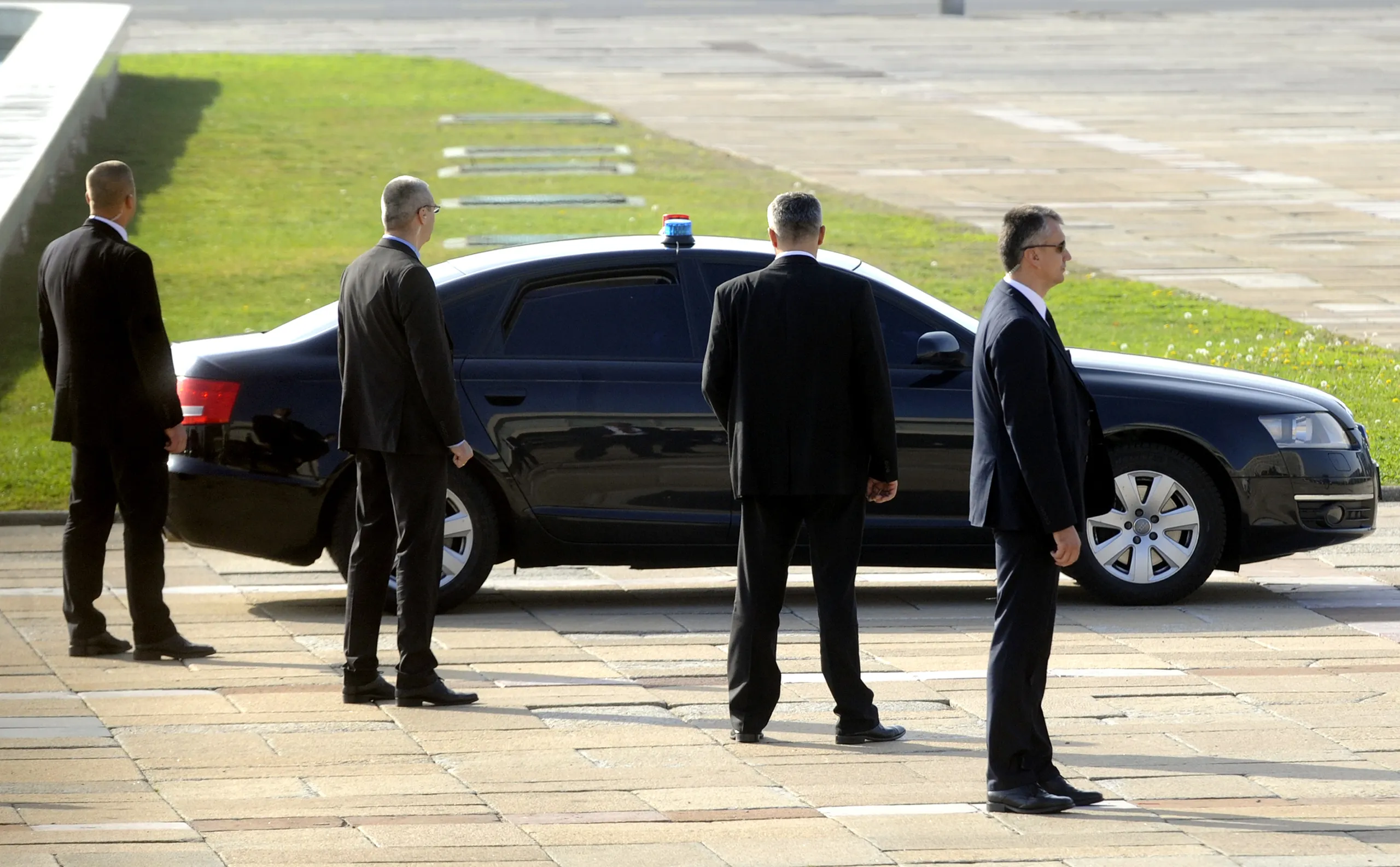
Planning travel to Managua? Speak with a security consultant.
Managua is the capital and largest city of Nicaragua, with a metropolitan population of approximately 1.4 million. It is the commercial, administrative, and industrial centre of the country, which has an economy anchored in agricultural exports including coffee, sugar, beef, and gold mining, alongside a significant manufacturing and maquila sector that benefits from US market access under the Central America Free Trade Agreement (CAFTA). International visitors come to Managua for agricultural commodity business, manufacturing oversight, energy and logistics sector meetings, and financial services. Managua also serves as the regional headquarters for a number of international companies and development organisations operating across Central America.
The security environment in Managua is defined less by conventional crime risk than by political repression under the Ortega government. The violent suppression of pro-democracy protests in 2018, which the Inter-American Commission on Human Rights (IACHR/CIDH) documented as causing approximately 325 deaths, marked a turning point that has been followed by sustained persecution of political opponents, journalists, Catholic Church clergy, and civil society leaders. Hundreds have been imprisoned; many have been exiled or had their citizenship stripped. The US State Department classifies Nicaragua at Level 3 (Reconsider Travel) as of 2026, specifically citing political repression and the risk of arbitrary detention for foreign nationals with perceived links to organisations the government views as hostile. The FCDO Nicaragua travel advice (2026) advises a high degree of caution and specifically notes surveillance risk for foreign visitors and restrictions on civil liberties.
For commercial business visitors to Managua, the Carretera Masaya corridor provides a manageable operational environment with international hotels, the Galerias Santo Domingo commercial centre, and corporate offices. Street crime is a secondary concern relative to the political environment. The recommended precautions are vetted security drivers for all movements, awareness of state surveillance, careful management of digital communications, and thorough vetting of local business contacts. Visitors associated with organisations that could attract political scrutiny should seek specific legal and security advice before travel.
For security support in Managua, our bodyguard hire team provides close protection officers with Central America experience, and our security drivers page covers airport transfers and in-city movement. Visitors operating across Central America should review our San Salvador and Guatemala City pages for complementary regional context. Sources: FCDO Nicaragua travel advice (2026); US State Dept Nicaragua Level 3 advisory (2026); IACHR/CIDH Nicaragua reports (2024); Ley No. 903, Ley de Servicios de Seguridad Privada, La Gaceta No. 141 (29 July 2015).
What are the main security threats in Managua?
Political Repression and State Surveillance
Nicaragua under President Daniel Ortega has implemented a sustained crackdown on political opposition, civil society, journalism, and religious institutions. The government violently suppressed pro-democracy protests in 2018, with the Inter-American Commission on Human Rights (IACHR/CIDH) documenting approximately 325 deaths. Since 2021, hundreds of political figures, opposition leaders, Catholic Church clergy, journalists, and civil society workers have been imprisoned or forced into exile. Foreign nationals perceived as critics of the government, those with associations with human rights organisations, and journalists face particular surveillance risk and potential arbitrary detention. Source: FCDO Nicaragua travel advice (2026); IACHR Nicaragua reports (2024).
Arbitrary Detention Risk
The Ortega government has used broad national security legislation to detain individuals with perceived links to opposition movements, foreign governments viewed as hostile, or civil society organisations. Foreign nationals are not immune from this risk. Business visitors with associations to organisations that the government views as politically adversarial face an elevated risk of detention or questioning. Review your organisational affiliations and digital presence before travel. Source: US State Dept Nicaragua Level 3 advisory (2026).
Restrictions on Civil Liberties
Nicaragua has severely curtailed press freedom, internet freedom, and the right to assembly. Independent media has been effectively closed. Foreign journalists and researchers face particular risk. Business visitors should be aware that communications may be monitored, and should exercise digital security precautions. The FCDO Nicaragua travel advice (2026) advises awareness of surveillance risk for foreign visitors and notes restrictions on civil liberties as a material risk factor for international visitors.
Vetted operators with direct experience in Managua
What security services are available in Managua?
Security Drivers
Vetted, licensed security drivers for airport transfers and in-city movement.
Bodyguard Hire
Close protection officers for senior principals and visiting executives.
Executive Protection
Structured EP programmes for principals with elevated risk profiles.
Risk Assessment
Pre-travel security assessment covering the current threat environment.
What are the rules for private security in Managua?
Key regulatory requirements for operating security services in Managua.
Firearms Policy
Armed private security in Nicaragua sits under the National Police. Article 11 of Ley No. 903 (2015) requires any private security officer carrying a firearm to hold a personal firearms licence issued by DAEM, the National Police Direccion de Registro y Control de Armas de Fuego, Municiones, Explosivos y Materiales Relacionados, and to be accredited by the authority of application. The state maintains significant oversight of the sector consistent with the political environment. Engage operators who can produce that documentation.
Licensing
Nicaragua's private security sector is governed by Ley No. 903, the Ley de Servicios de Seguridad Privada, approved on 11 June 2015 and published in La Gaceta No. 141 of 29 July 2015. Article 5 names the National Police (Policia Nacional), through its public security speciality, as the authority of application, and article 13 sets the operating licence (licencia de operacion) at five years. Personnel hold an accreditation issued after the approved training course. Check the provider's operating licence and the accreditations of the personnel deployed before engagement.
Foreign Operators
Ley No. 903 allows foreign shareholders and managers in a licensed provider: foreign shareholders file a passport copy and residence card, and foreign managers file apostilled or authenticated criminal and police record certificates from their country of origin or residence (article 14). The law as read does not set out how a visiting foreign protection officer may work in Nicaragua, so coordinate with a licensed Nicaraguan provider and take local legal advice before deployment.
Sources, checked : Ley No. 903, Ley de Servicios de Seguridad Privada, La Gaceta Diario Oficial No. 141, 29 July 2015 (text via LeyBook): arts. 5, 11, 13 and 14.
Which areas of Managua carry elevated risk?
Lower-Risk Areas
- Carretera Masaya corridor: The main upscale commercial corridor running south-east of the city centre. Contains international hotels, shopping centres (Galerias Santo Domingo), restaurants, and some corporate offices. The recommended operational zone for international business visitors.
- Metrocentro area: Commercial district with shopping centres and business services. Manageable during business hours with awareness.
Elevated-Risk Areas
- Managua city centre (old centre): The historic city centre, partially rebuilt after the 1972 earthquake, contains government buildings. Higher concentration of political activity and demonstrations; visitors should monitor for political gatherings.
- Mercado Oriental: One of Central America's largest informal markets. High petty theft risk and crowd density; avoid unless specifically required for business purposes.
Deploying to Managua? Get a vetted close protection detail.
Request ConsultationWho do you call in an emergency in Managua?
Police Emergency
118
Fire Emergency
115
Hospital Militar
+505 2222 2763
British Embassy Managua
+505 2780 5800
What travel advisories apply to Managua?
- The US State Department classifies Nicaragua at Level 3 (Reconsider Travel) as of 2026, specifically citing political repression, arbitrary detention risk, and restrictions on civil liberties. Source: US State Dept Nicaragua travel advisory (2026).
- Communications monitoring is assessed as active in Nicaragua. Avoid discussing political topics, government criticism, or sensitive business matters by telephone or electronic message where possible. Use encrypted communication for sensitive business content.
- Augusto C. Sandino International Airport (MGA) is approximately 10km east of the city centre. Pre-arrange your airport transfer with a vetted security driver. Do not use informal taxis. Source: FCDO Nicaragua travel advice (2026).
- Foreign nationals associated with organisations the Nicaraguan government considers politically adversarial - including some international NGOs, US government-funded organisations, and Catholic Church-linked entities - face an elevated risk of surveillance, questioning, or detention. Review your organisational affiliations in advance and seek legal advice on risk if relevant.
Frequently Asked Questions
What is the main security risk for business visitors to Managua?
Can business still be conducted in Nicaragua?
What happened during the 2018 protests in Nicaragua?
What digital security precautions should business visitors take in Nicaragua?
What is the private security licensing framework in Nicaragua?
This page is published by CloseProtectionHire.com and written to editorial standards overseen by James Calloway, Senior Security Consultant (regulation, licensing, vetting and risk frameworks) and Marcus Webb, Security Operations Adviser (operational close protection, secure transport and city-specific safety).
Threat, regulatory and emergency information is sourced to named, dated authorities such as the FCDO, the US State Department and national licensing bodies. Last updated . See how we verify.