
Planning travel to Kumasi? Speak with a security consultant.
Kumasi, the capital of Ghana’s Ashanti Region and traditionally the home of the Ashanti Kingdom, is West Africa’s most significant gold-producing city and Ghana’s second-largest urban centre. Known as the Garden City of West Africa for its historic tree-lined streets, Kumasi has grown from a colonial trading hub into a major commercial and industrial city that serves as the economic engine of Ghana’s interior. For international business travellers, Kumasi is primarily associated with the gold mining sector (Ashanti Gold Fields, now part of AngloGold Ashanti, has operations in the wider region), agricultural commodity trade (cocoa, timber), and the logistics networks that connect these industries to the port at Tema, near Accra.
The FCDO Ghana travel advice (updated 2024) recommends exercising a high degree of caution, reflecting a threat environment that is moderate rather than high. Ghana is one of the more politically stable countries in West Africa, with a functioning democratic system and regular peaceful transfers of power. Kumasi’s specific security challenges are those common to a major West African commercial city: petty crime concentrated in market areas, significant road safety risk, periodic communal tensions linked to chieftaincy disputes, and the security complexities of proximity to an active (and contested) gold mining sector.
For mining sector executives, the security picture extends beyond Kumasi city itself into the rural operations that surround it. Illegal small-scale mining (galamsey) is widespread across the Ashanti and adjacent regions, creating conflict with licensed operators over land access and with Ghanaian security forces over enforcement. Executives visiting legitimate operations should ensure their security arrangements account for the proximity of illegal operations and the associated risk of dispute-related incidents on access roads and site perimeters.
Medical preparedness is an important component of any security plan for Kumasi. Komfo Anokye Teaching Hospital is the main public facility, but its capacity for complex emergency treatment is limited compared to Accra’s facilities. Medical evacuation insurance and a pre-arranged medevac provider are advisable, particularly for executives visiting rural mining sites where access to any medical facility may require significant travel time.
Security Services in Kumasi
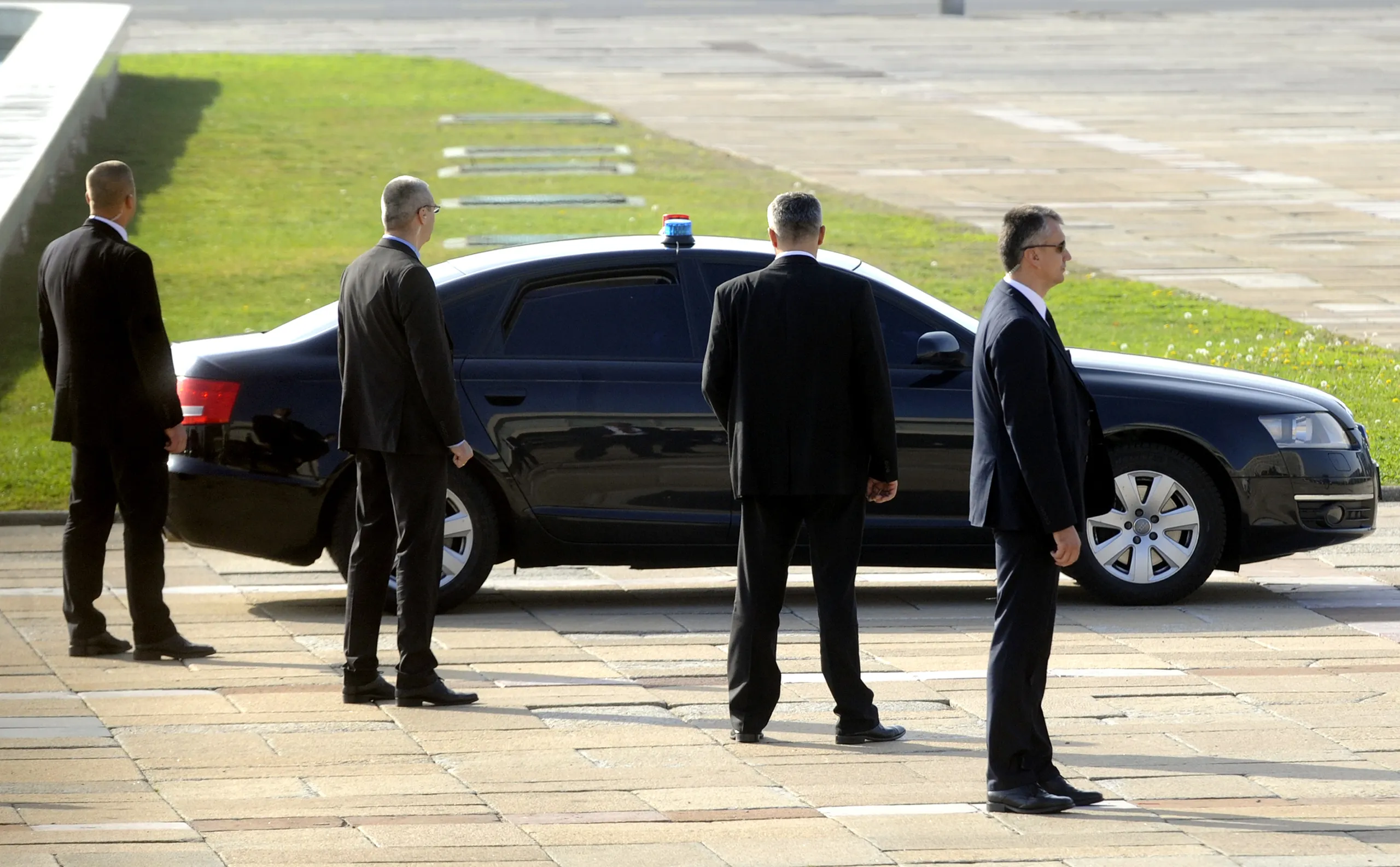
Close protection in Kumasi requires teams with genuine West Africa operational experience, knowledge of the Ashanti region’s specific communal and political dynamics, and established relationships with locally licensed Ghanaian security providers. The Ministry of the Interior licensing requirement means that commercial security must be provided through a licensed Ghanaian company; international firms typically operate through local partnerships.
Secure transport on the Kumasi to Accra corridor is a core service component, given the road safety risk on this route. Vehicles should be well-maintained, properly insured, and driven by locally experienced drivers. For executives with tight schedules, domestic flight connections between Kumasi Airport and Accra are recommended as a meaningful road safety risk-reduction measure.
For related security services in Kumasi, see our bodyguard hire in Kumasi and security drivers in Kumasi pages.
What are the main security threats in Kumasi?
Street Crime and Opportunistic Theft
Kumasi's major commercial areas, particularly around Kejetia Market (one of West Africa's largest markets) and Asafo Market, experience high concentrations of pickpocketing and bag snatching. The FCDO Ghana travel advice (updated 2024) notes petty theft and street crime as the primary risks for foreign visitors. Executives moving through market areas and high-density commercial zones should maintain close cover or avoid these areas during peak hours.
Road Safety and Traffic Accidents
Ghana's road fatality rate is among the highest in West Africa (WHO Global Road Safety Report data). Roads between Kumasi and Accra (the N6 highway) are particularly high-risk, with frequent accidents involving commercial vehicles, poor signage, and unpredictable driver behaviour. Secure transport with trained, experienced drivers who know the local road network is essential, particularly for inter-city travel.
Communal and Chieftaincy Tensions
The Ashanti region has periodic communal tensions linked to chieftaincy disputes, land rights conflicts, and local political competition. These can occasionally result in localised disruptions, road blockades, or demonstrations. While typically localised in rural areas surrounding Kumasi, flare-ups can affect movement on roads leading into and out of the city. Pre-travel intelligence on current local tensions is advisable for executives with inter-regional itineraries.
Galamsey (Illegal Mining) Activity
Small-scale illegal gold mining (galamsey) is widespread in the Ashanti and wider Kumasi hinterland. Galamsey operations are associated with organised criminal elements, environmental disputes, and periodic violence between operators and state enforcement agencies. Executives visiting legitimate mining operations in the region should be aware of the security implications of proximity to illegal operations and the contested nature of land tenure in mining areas.
Vetted operators with direct experience in Kumasi
What security services are available in Kumasi?
Executive Close Protection
Personal protection for mining sector executives, corporate visitors, and high-profile individuals in Kumasi. Teams with knowledge of the Ashanti region and the specific security considerations of the gold mining environment.
Secure Chauffeured Transport
Secure transport covering Kumasi city movement and the Kumasi to Accra corridor (approximately 250km). Experienced drivers with knowledge of road conditions and alternative routes. Coordination with Kotoka International Airport (ACC) transfers where required.
Mining Site Security
Security support for visits to gold mining operations in the Ashanti region, including advance site assessments, secure transit to operational areas, and liaison with mine security departments.
Residential and Compound Security
Temporary residential security for executives on extended deployments, covering secure accommodation selection, access control, and after-hours monitoring.
Travel Security Briefings
Pre-travel briefings for corporate teams covering Kumasi's specific threat environment, road safety context, medical facility information, and emergency contact protocols.
What are the rules for private security in Kumasi?
Key regulatory requirements for operating security services in Kumasi.
Firearms Policy
Private security in Ghana is unarmed. Regulation 13 of the Police Service (Private Security Organisations) Regulations, 1992 (L.I. 1571) prohibits private security organisations and their personnel from possessing or using firearms and ammunition, as the Minister for the Interior restated on 23 June 2026. A personal firearm licence, issued by the Ghana Police Service under the Arms and Ammunition Decree, 1972 (NRCD 9), cannot be used to run a security business. Treat any offer of armed private guards in Kumasi as a warning sign.
Licensing
Private security organisations in Ghana are controlled under section 38 of the Police Service Act, 1970 (Act 350) and the Police Service (Private Security Organisations) Regulations, 1992 (L.I. 1571). The Ministry of the Interior licenses them, and in June 2026 it suspended a company's licence for firearms and uniform breaches. Ask any provider for its current Ministry licence before engagement.
Foreign Operators
Section 38(2) of the Police Service Act covers any organisation providing watching, guarding, patrolling or protection services. No separate licensing route for a foreign security company could be confirmed on 6 October 2026. Use a Ministry-licensed Ghanaian operator for protective work in Kumasi, and take local legal advice before a foreign team carries out protective duties. The firearms ban in regulation 13 applies to every private security organisation.
Sources, checked : Police Service Act, 1970 (Act 350), text (GhaLII); Ghana News Agency, Private security organisations prohibited from possessing firearms (23 June 2026); Ghanaian Times, Interior Ministry suspends Kantanka Security Services licence (21 June 2026); Ghana Police Service, Central Firearms Unit.
Which areas of Kumasi carry elevated risk?
Lower-Risk Areas
- Airport Residential Area: Business accommodation hub used by expatriate professionals and corporate visitors. Below-average crime rate, good private security infrastructure.
- KNUST (Kwame Nkrumah University of Science and Technology) campus and surrounding area: Institutional environment with campus security. Comparatively safe for daytime movement.
- Adum CBD: Kumasi's central business district. Daytime movement is generally safe with standard awareness; avoid after dark without escort.
Elevated-Risk Areas
- Kejetia and Asafo market areas: Extremely high crowd density. Highest pickpocketing and bag-snatching risk in Kumasi. Not recommended for unaccompanied executive movement.
- Peripheral and rural areas towards mining operations: Reduced police visibility, galamsey activity, and communal tension risk. Movement requires local knowledge and appropriate security.
Deploying to Kumasi? Get a vetted close protection detail.
Request ConsultationWho do you call in an emergency in Kumasi?
Police Emergency
191
Fire Service
192
Ambulance
193
Komfo Anokye Teaching Hospital
+233 32 202 3221
British High Commission Accra
+233 30 213 3200
US Consulate General Accra
+233 30 274 1000
What travel advisories apply to Kumasi?
- FCDO Ghana travel advice (2024) recommends exercising a high degree of caution, with heightened vigilance in specific areas. The FCDO also notes border area risks with Burkina Faso (northwestern Ghana) due to Sahel instability. This primarily affects northern Ghana and not Kumasi directly, but executives with regional itineraries should check current FCDO advice before travel.
- Road travel between Kumasi and Accra (approximately 250km via N6) carries significant accident risk. Night-time inter-city road travel is particularly hazardous due to unlit vehicles, pedestrians on carriageways, and unpredictable driving behaviour. Where possible, schedule inter-city road travel during daylight hours only.
- Medical facilities in Kumasi, while serviceable for routine treatment, do not consistently meet Western standards for complex emergency care. Komfo Anokye Teaching Hospital is the main facility. Ensure travel insurance includes medical evacuation coverage to Accra or overseas for complex cases.
Frequently Asked Questions
What security is needed for executives visiting gold mining operations near Kumasi?
How do I travel securely between Kumasi and Accra?
What are the main medical facilities available to foreign executives in Kumasi?
Is Kumasi Airport suitable for international executive arrivals?
This page is published by CloseProtectionHire.com and written to editorial standards overseen by James Calloway, Senior Security Consultant (regulation, licensing, vetting and risk frameworks) and Marcus Webb, Security Operations Adviser (operational close protection, secure transport and city-specific safety).
Threat, regulatory and emergency information is sourced to named, dated authorities such as the FCDO, the US State Department and national licensing bodies. Last updated . See how we verify.