
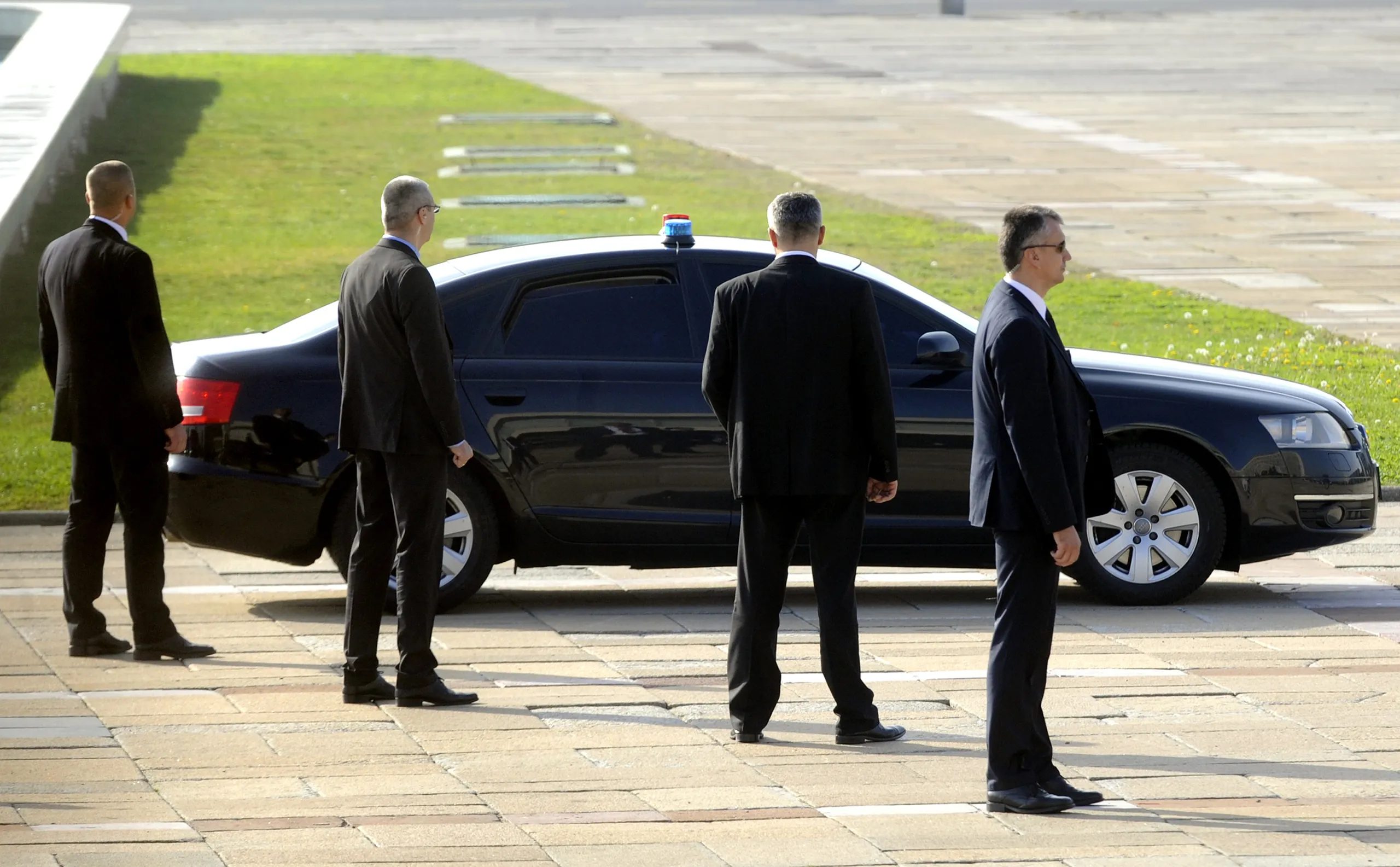
Planning travel to Jeddah? Speak with a security consultant.
Jeddah is Saudi Arabia’s second-largest city and the primary gateway for Hajj and Umrah pilgrims at King Abdulaziz International Airport. It is the commercial capital of the Kingdom, with a major Red Sea port, a large retail and hospitality sector, and the headquarters of significant oil and petrochemical companies. Saudi Vision 2030 has driven significant infrastructure investment, including the Jeddah Season entertainment district, the Jeddah Tower (under construction), and the NEOM-adjacent Red Sea development corridor. The expatriate community in Jeddah is substantial, drawn primarily by the energy and construction sectors.
FCDO advisory context
The FCDO advises against all travel to within 10km of the Saudi-Yemen border and against all but essential travel to Aseer, Riyadh, Najran and Jizan provinces and to Taif city and Taif International Airport (updated 10 October 2026); Jeddah is not in a listed area. Both are due to the Houthi missile and drone threat. Jeddah itself, on the Red Sea coast, is within the zone that has experienced cross-border missile and drone attacks originating from Yemen. The FCDO travel advice for Saudi Arabia records that missiles and drones have struck targets in Saudi Arabia including in the Jeddah region, and recommends awareness of shelter procedures. Source: FCDO Saudi Arabia travel advice (2026).
Security and social environment
Saudi Arabia applies strict social codes. Dress codes and public conduct norms are strictly enforced. Photography of government buildings, military sites, and individuals without consent carries legal risk. The Vision 2030 liberalisation programme has relaxed some restrictions (entertainment venues, mixed-gender working environments), but the underlying legal framework retains significant penalties for conduct that would be unremarkable elsewhere.
Sources: FCDO Saudi Arabia travel advice (2026). US State Department Level 3 advisory Saudi Arabia (2026). Law of Private Security Services (Royal Decree No. M/24). For comparable operating environments, see our Riyadh city briefing and Dubai city briefing.
What are the main security threats in Jeddah?
Houthi Missile and Drone Attacks
Since the outbreak of the Yemen conflict, Houthi forces have launched cross-border missile and drone attacks targeting Saudi cities including Jeddah. The FCDO Saudi Arabia travel advice (2026) records that Jeddah has been in the target envelope of these attacks. King Abdulaziz International Airport and major infrastructure are potential targets. Shelter-in-place procedures and an understanding of the local warning system are part of operational planning for extended Jeddah stays.
Terrorism
Saudi Arabia has been the target of terrorist attacks by al-Qaeda in the Arabian Peninsula and other groups. Although the frequency of domestic attacks has decreased significantly since the 2000s, the threat remains. International hotels, government facilities, and public gatherings carry an elevated profile. Source: FCDO Saudi Arabia travel advice (2026).
Photography and Legal Restrictions
Photography of government buildings, military facilities, palaces, and individuals without consent is prohibited under Saudi law. Violations have resulted in detention and deportation. Legal restrictions extend to social conduct, alcohol, and a range of activities that are legal in other jurisdictions. Briefing all members of a travelling party on local legal requirements is essential before arrival.
Vetted operators with direct experience in Jeddah
What security services are available in Jeddah?
Security Drivers
Vetted, licensed security drivers for airport transfers and in-city movement.
Bodyguard Hire
Close protection officers for senior principals and visiting executives.
Executive Protection
Structured EP programmes for principals with elevated risk profiles.
Risk Assessment
Pre-travel security assessment covering the current threat environment.
What are the rules for private security in Jeddah?
Key regulatory requirements for operating security services in Jeddah.
Firearms Policy
Under the Law of Weapons and Ammunition (Royal Decree No. M/45 of 25/7/1426 H), possessing, carrying and trading in firearms need a licence from the Minister of Interior (articles 9 and 11). The Law of Private Security Services contains no provision authorising private security guards to carry arms.
Licensing
Private security companies are licensed under the Law of Private Security Services (Royal Decree No. M/24 of 8/7/1426 H), with implementing regulations issued by Ministerial Decision No. 170 of 5/5/1427 H. The licence is issued by the Minister of Interior or his delegate for 5 years and is renewable (article 4). The Law's definition of private civil security does not expressly mention personal protection. In May 2025 the Ministry of Interior amended the implementing regulations to set which establishments must keep guards during working hours or around the clock.
Foreign Operators
The Law requires a licensed establishment to be wholly owned by a Saudi national, and a licensed company to be wholly owned by Saudi nationals (article 4). It also requires all staff of a licensed security company to be Saudi nationals (article 5). A foreign security company therefore cannot hold a licence or supply its own guards, and international clients engage a licensed Saudi company. Take local legal advice before a foreign team carries out protective duties.
Sources, checked : Law of Private Security Services, Royal Decree No. M/24 of 8/7/1426 H (King Khalid University copy of the official text); Saudi Central Bank Rulebook, Law of Private Security Services (status: in force); Law of Weapons and Ammunition, Royal Decree No. M/45, text (mohamah.net); Gulf News, All employees at security firms must be Saudis (23 June 2023); Gulf News, Saudi Arabia tightens private security law (18 May 2025).
Which areas of Jeddah carry elevated risk?
Lower-Risk Areas
- Al Hamra and Al Naeem districts: Primary expatriate and international hotel zone. Relatively secure with good infrastructure.
- Al Balad (Historic Jeddah): UNESCO World Heritage Site. Active tourist and commercial area in the old city. Standard precautions apply.
- Al Rawdah and Al Zahra: Residential and business districts used by corporate visitors.
Elevated-Risk Areas
- Industrial port areas: Access-controlled, but the surrounding districts carry a higher crime profile.
- Southern districts closer to the Jeddah-Makkah corridor: Higher traffic volumes, less expatriate-oriented infrastructure.
Deploying to Jeddah? Get a vetted close protection detail.
Request ConsultationWho do you call in an emergency in Jeddah?
Police
999
Red Crescent (Ambulance)
911
Dr. Erfan and Bagedo General Hospital
+966 12 682 9000
British Consulate General Jeddah
+966 12 622 5550
What travel advisories apply to Jeddah?
- Houthi cross-border missile and drone attacks have targeted Saudi Arabia including the Jeddah region. All visitors should familiarise themselves with the local air-raid warning system and shelter-in-place procedures before commencing work in the city. Source: FCDO Saudi Arabia travel advice (2026).
- Alcohol is prohibited in Saudi Arabia. Possession or consumption is a criminal offence punishable by flogging, imprisonment, and deportation. Do not attempt to import or purchase alcohol.
- Saudi Arabia operates a strict dress code. Female visitors must cover their hair and wear modest clothing in public. Male visitors should avoid shorts and vest tops outside hotel premises. Non-compliance can attract unwanted attention and, in some areas, intervention by authorities.
Frequently Asked Questions
Why do international companies have offices in Jeddah rather than only Riyadh?
What is the Houthi missile threat for Jeddah visitors?
Is close protection routine for senior executives visiting Jeddah?
What licence should a Jeddah security provider hold?
This page is published by CloseProtectionHire.com and written to editorial standards overseen by James Calloway, Senior Security Consultant (regulation, licensing, vetting and risk frameworks) and Marcus Webb, Security Operations Adviser (operational close protection, secure transport and city-specific safety).
Threat, regulatory and emergency information is sourced to named, dated authorities such as the FCDO, the US State Department and national licensing bodies. Last updated . See how we verify.