
Planning travel to Havana? Speak with a security consultant.
Havana occupies a unique position in the landscape of business travel security: it is a capital city with genuine economic activity and significant international engagement, operating under a political and regulatory system that has no parallel in Western business travel. For UK executives, Cuba is a legal destination under normal FCDO advice (normal precautions), and several sectors, including energy (oil exploration, renewables), agriculture, biopharmaceuticals, and tourism infrastructure, have seen licensed international engagement. The Cuban government actively courts foreign investment in designated sectors through joint venture frameworks, and UK companies have maintained presence in Cuba through various licensed arrangements.
The security environment in Havana is best understood through the lens of two distinct risk categories. The first is the physical security picture: Havana has low rates of serious violent crime by Latin American standards, with the primary risks being opportunistic petty crime concentrated in tourist zones and scams targeting foreign visitors, particularly in Habana Vieja. The economic deterioration since 2020, marked by fuel shortages, power outages, food scarcity, and the collapse of the tourism sector during and after the COVID-19 pandemic, has increased the economic desperation that drives opportunistic crime. This trend has been documented in updated FCDO Cuba travel advice and is reflected in reporting from the diplomatic community.
The second risk category is structural and unique to Cuba: the monitoring environment for foreign nationals, the restrictions on communications and internet access, and the absence of an independent private security sector. Cuba’s Ministry of Interior (MININT) has an extensive internal security apparatus, and foreign business visitors, particularly those in commercially sensitive sectors, should operate on the assumption that communications, meetings, and movements may be subject to monitoring. This is not a reason to avoid Cuba, but it is a material factor in how executives should conduct themselves: treating communications with the same discretion that would apply in any monitored environment and avoiding discussions of commercially sensitive matters over unencrypted channels.
Cuba’s infrastructure constraints, particularly the power outages that have become increasingly severe since 2022, add a practical security dimension to any extended deployment. Hotels, particularly older properties in Habana Vieja, are subject to extended power cuts that affect elevators, air conditioning, security systems, and communications. This vulnerability is worth factoring into accommodation choices, with more recently constructed or renovated properties in Miramar and Vedado having better infrastructure resilience.
Security Services in Havana
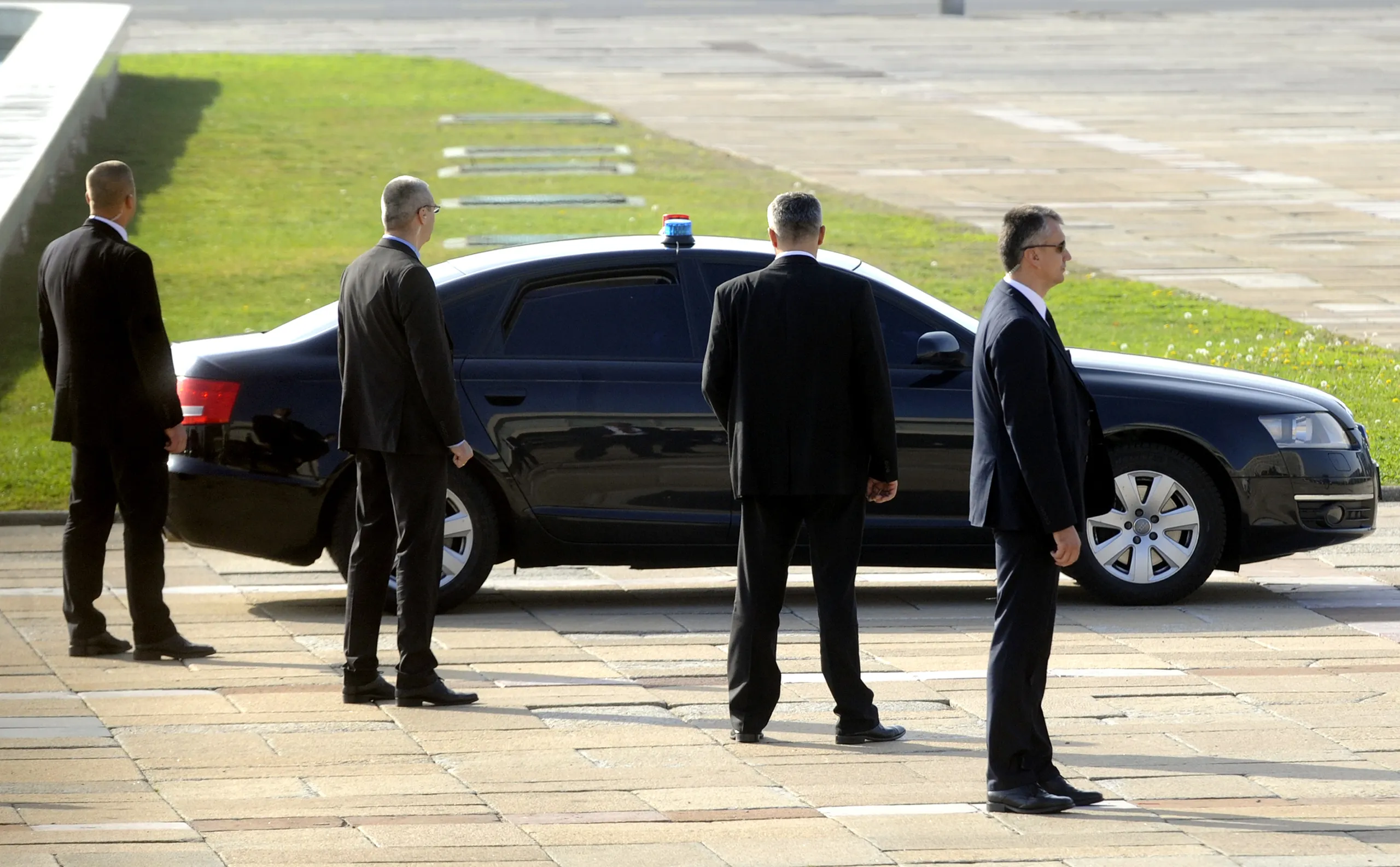
Security arrangements in Havana operate within the constraints of the Cuban regulatory environment, which does not permit independent Western-style private security companies to operate commercially. In practice, this means that executive security for UK principals visiting Cuba is provided through personal accompaniment by trusted security officers travelling as part of the principal’s team, pre-vetted local drivers for all ground transport, and advance security planning that reduces exposure to risk through route discipline and informed venue selection.
British Embassy Havana (located in Miramar) provides consular assistance to UK nationals in genuine emergencies. Contact details and office hours should be held by all team members before departure. For medical emergencies, the Servimed Clinica Cira Garcia in Miramar is the designated facility for foreign visitors, and pre-travel confirmation of insurance coverage and cash payment arrangements is essential.
For related security services in Havana, see our bodyguard hire in Havana and security drivers in Havana pages.
What are the main security threats in Havana?
Petty Crime and Tourist-Targeted Scams
Habana Vieja (Old Havana) and the tourist-facing districts of Centro Habana are the primary areas for opportunistic petty crime. Jinetero activity (a local term for persistent tout and scam operations) is documented throughout tourist areas: rental scams, overcharging, distraction theft, and confidence fraud. Economic hardship since the COVID-19 period and the worsening Cuban economic crisis from 2020 onwards has increased the prevalence of opportunistic crime targeting tourists and foreign business visitors.
State Surveillance and Information Restrictions
Cuba's Ministry of Interior (MININT) maintains surveillance of foreign nationals, particularly business visitors, journalists, and those with connections to opposition groups or US government entities. Internet access is restricted, monitored, and subject to periodic outages. VPN use is technically prohibited under Cuban law, though enforcement against tourists is variable. Executives should treat communications in Cuba as potentially monitored and exercise discretion in business discussions.
Limited Medical Facilities
Cuba's healthcare system for foreign nationals operates on a dual-track basis: Cubans use the general system while foreigners are directed to specific Servimed clinics and the CIREN International Hospital. While Cuban medical professionals are generally well-trained, equipment, pharmaceuticals, and supplies are limited due to the US embargo and economic constraints. Complex trauma care, cardiac emergencies, and specialist treatments may require medical evacuation. The FCDO Cuba travel advice (2024) recommends ensuring travel insurance covers medical evacuation.
Economic Environment and Payment Restrictions
Cuba operates a complex currency system following the January 2021 monetary reform, with the Cuban Peso (CUP) as the sole legal tender. US dollar cards are not accepted anywhere due to US sanctions. UK and European bank cards can sometimes be used at Servimed clinics and certain tourist facilities, but ATM access is unreliable. Executives must carry adequate cash in Euros or other non-US currencies for all anticipated expenses. Cash management is a genuine security consideration in a cash-dependent environment.
Vetted operators with direct experience in Havana
What security services are available in Havana?
Executive Travel Security
Security accompaniment and travel management for UK and European executives visiting Havana on licensed business, energy, agriculture, or cultural engagement. Teams familiar with Cuban regulatory constraints on private security activity.
Secure Chauffeured Transport
Secure chauffeured transport from Jose Marti International Airport (HAV) and city movement in Havana. Pre-vetted drivers with knowledge of Havana's neighbourhoods and tourist risk areas.
Venue and Accommodation Security Assessment
Pre-visit assessment of hotel security, meeting venue arrangements, and medical facility access for executive-level visitors. Identification of Servimed clinic locations and emergency contact protocols.
Travel Security Briefings
Detailed pre-travel briefings for UK and European executives covering Cuba's regulatory environment, communication restrictions, currency management, medical access, and emergency protocols.
Emergency Planning
Documented emergency response planning covering Jose Marti International Airport departure options, British Embassy Havana contact procedures, and pre-contracted medical evacuation coordination.
What are the rules for private security in Havana?
Key regulatory requirements for operating security services in Havana.
Firearms Policy
Commercial private security as known in Western markets does not operate in Cuba. All security functions are ultimately controlled by the Ministry of Interior (MININT) and the Revolutionary Armed Forces (FAR). Private Western-style security companies do not hold operating licences in Cuba. Security for foreign visitors at hotels is typically provided through joint-venture hotel security arrangements or state-approved operators.
Licensing
There is no independent private security licensing framework in Cuba under the current legal and political system. Joint-venture hotel operations (such as the Melia-managed properties) provide security within their facilities, but these operate under state oversight. Foreign security companies cannot independently provide commercial close protection services in Cuba.
Foreign Operators
Independent foreign security companies cannot legally operate private security services in Cuba. UK close protection officers accompanying a principal may travel as personal staff or corporate representatives. Any security provided beyond personal accompaniment would need to be arranged through state-approved channels. This is a fundamental operational constraint for all principals travelling to Cuba.
Which areas of Havana carry elevated risk?
Lower-Risk Areas
- Miramar (Playa municipality): Diplomatic district with embassy row, international business presence, and above-average infrastructure. The safest area for business accommodation in Havana. Marina Hemingway and Miramar Trade Centre are in this zone.
- Vedado: The main commercial and hotel district. Home to Hotel Nacional, Melia Cohiba, and most international-standard accommodation. Good security infrastructure for foreign visitors.
Elevated-Risk Areas
- Habana Vieja (Old Havana): UNESCO World Heritage core and primary tourist area. High density of jinetero activity and petty crime. Excellent for structured visits with an accompaniment, but not recommended for unaccompanied executive movement.
- Centro Habana: Residential district adjacent to Old Havana. Poorer infrastructure, less policed for tourist-facing crime. Avoid at night.
Deploying to Havana? Get a vetted close protection detail.
Request ConsultationWho do you call in an emergency in Havana?
Police
106
Fire
105
Ambulance (Asistencia al Turista)
185
CIREN International Hospital
+53 7 272 5511
Servimed Clinica Cira Garcia (foreigners clinic)
+53 7 204 2811
British Embassy Havana
+53 7 214 2200
What travel advisories apply to Havana?
- FCDO Cuba travel advice (2024) recommends normal precautions. However, the FCDO notes that Cuba's economic situation has worsened significantly since 2020, driving increased petty crime. The FCDO also recommends ensuring travel insurance includes medical evacuation cover due to limitations in local medical infrastructure.
- US nationals and holders of US passports face significant additional restrictions in Cuba due to US sanctions. US bank cards and credit cards issued in the US do not function in Cuba. Travel by US nationals may require specific OFAC (Office of Foreign Assets Control) licences. This guidance primarily applies to UK nationals, for whom normal FCDO precautions apply.
- Internet access in Cuba is restricted, state-monitored, and subject to outages. Do not rely on internet connectivity for emergency communications. Ensure satellite phone or alternative communication provisions are in place for any deployment where continuous communication capability is required. The British Embassy Havana can provide consular assistance in genuine emergencies.
- Power outages (apagones) have become increasingly frequent in Cuba from 2022 onwards due to fuel shortages and grid infrastructure issues. Extended outages affect air conditioning, elevators, and security systems in hotels and offices. Executives should plan for potential disruption to hotel infrastructure during extended stays.
Frequently Asked Questions
Can UK executives legally visit Cuba for business?
What are the security constraints for private close protection in Cuba?
Which hospital should foreign executives use in a medical emergency in Havana?
How do payment and cash management work for business travel in Havana?
What is the best area in Havana for business accommodation?
This page is published by CloseProtectionHire.com and written to editorial standards overseen by James Calloway, Senior Security Consultant (regulation, licensing, vetting and risk frameworks) and Marcus Webb, Security Operations Adviser (operational close protection, secure transport and city-specific safety).
Threat, regulatory and emergency information is sourced to named, dated authorities such as the FCDO, the US State Department and national licensing bodies. Last updated . See how we verify.