
Planning travel to Georgetown? Speak with a security consultant.
Georgetown is the capital and largest city of Guyana, with a metropolitan population of approximately 235,000. It is the administrative, financial, and commercial centre of a country that has undergone a dramatic economic transformation since the discovery of substantial offshore oil reserves in the Stabroek Block by ExxonMobil in 2015. Liza Phase 1 production began in 2019 and Phase 2 expanded output significantly thereafter, making Guyana one of the fastest-growing oil economies in the world. Georgetown is now a significant destination for oil and gas executives, service company personnel, financial services professionals, and investors drawn by one of the most significant hydrocarbon development stories of the past decade.
Security environment
Georgetown’s security environment has evolved in step with its oil boom, and not entirely for the better. Rapid wealth inflows and a visible international business community have created conditions in which robbery, extortion, and violent crime directed at business visitors have increased. The UK FCDO Guyana travel advice (2026) advises a high degree of caution and specifically notes armed robbery and violent crime in Georgetown, particularly after dark, as key concerns. Ethnic political divisions between Afro-Guyanese and Indo-Guyanese communities have historically manifested in politically motivated violence around election periods, and the underlying social tensions remain a background risk factor. Guyana is also a documented cocaine trans-shipment country, and the trafficking networks that underpin that trade intersect with broader organised crime in the capital. The US State Department classifies Guyana at Level 3 (Reconsider Travel) as of 2026.
Georgetown’s geography compounds the operational picture: the city sits below sea level and is regularly flooded during rainy seasons, which can disrupt road networks, alter routing options, and create secondary logistical complications for security planning.
Business context and operational planning
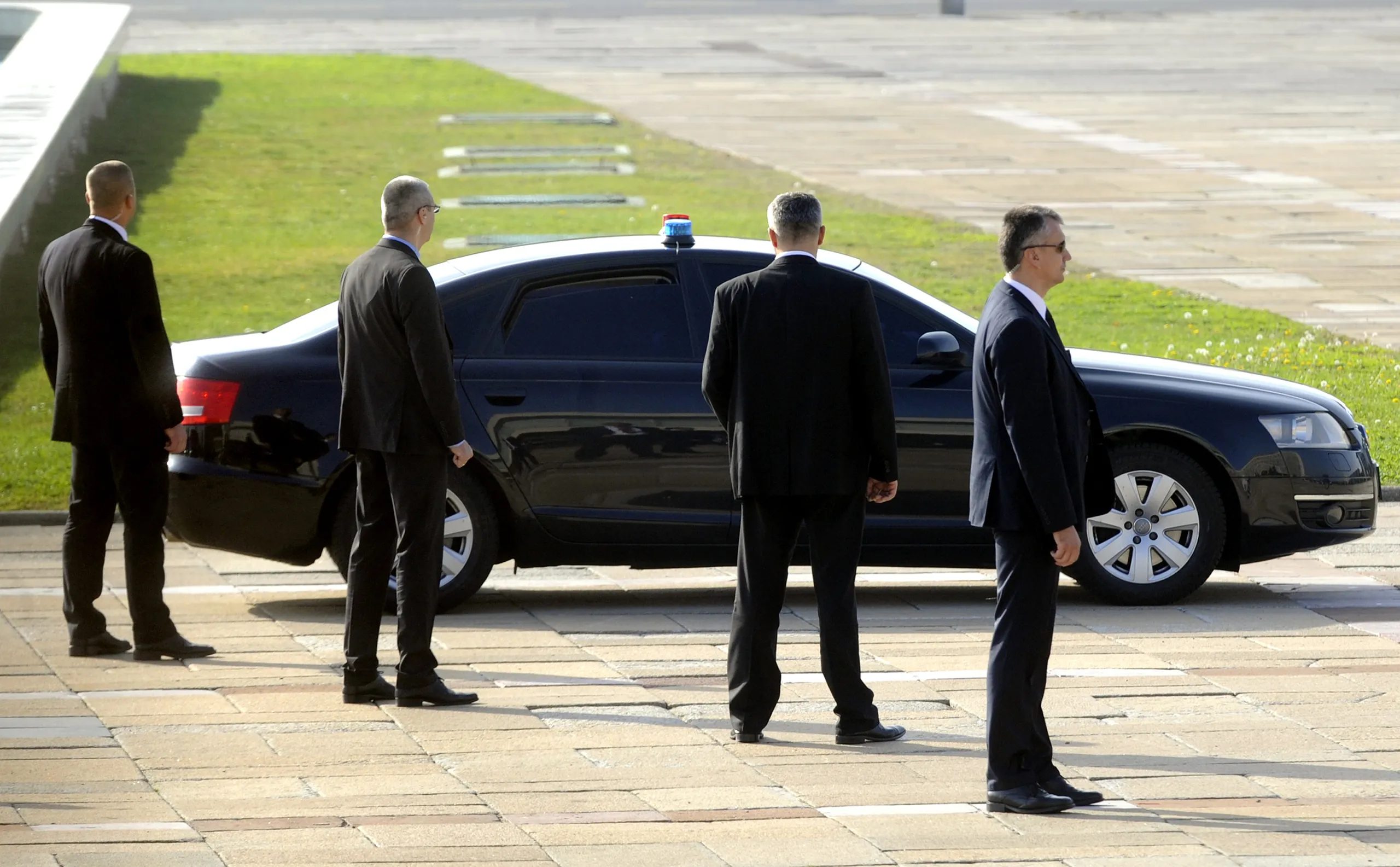
For international business visitors, Georgetown’s Kingston and Queenstown diplomatic zone provides a manageable base. Most international hotels, embassies, and corporate offices are concentrated in this area. The critical risk-reduction measures are: pre-arranged vetted security transport for all movements including the 42km airport transfer from Cheddi Jagan International Airport; accommodation within the diplomatic zone; and avoiding movement on foot after dark. Senior executives and those with visible corporate profiles in the oil, gas, or mining sectors should engage close protection officers with current Georgetown experience.
Our bodyguard hire team can advise on close protection arrangements for Georgetown, and our security drivers provide vetted airport transfers and in-city transport. Pre-travel risk assessment is recommended for any first-time visit to Guyana, particularly for executives whose company affiliations or sector roles may attract targeting. Sources: FCDO Guyana travel advice (2026); US State Dept Guyana travel advisory (2026); Department of Public Information, Guyana (2016).
What are the main security threats in Georgetown?
Armed Robbery and Violent Crime
Armed robbery and violent crime have increased in Georgetown since the onset of Guyana's oil boom from 2019 onwards. Rapid wealth inflows, rising economic inequality, and a visible influx of international business personnel have created conditions that attract opportunistic and targeted crime. The FCDO Guyana travel advice (2026) notes armed robbery and violent crime in Georgetown, particularly after dark, as key risks. Business visitors perceived as high value are at elevated risk of targeted theft and robbery.
Drug Trafficking
Guyana is a documented trans-shipment point for cocaine moving from South American producers to North America and Europe. The FCDO Guyana travel advice (2026) notes cocaine trafficking as a significant concern. Trafficking networks create an underlying criminal infrastructure that intersects with broader organised crime in Georgetown. Business visitors in the oil and gas sector may be more exposed to this environment through interactions with port and logistics operations.
Flooding
Georgetown sits below sea level on Guyana's Atlantic coast and is regularly affected by flooding, particularly during rainy seasons (May to August and November to January). Flooding can disrupt road access across the city, affect ground transport, and create secondary public health risks. Security planning for Georgetown must account for flood disruption to routing and accommodation.
Petty Crime
Pickpocketing, bag snatching, and opportunistic theft are prevalent in Georgetown's commercial areas, markets, and around the Stabroek waterfront. Visitors should avoid displaying jewellery, cameras, or electronic devices in public areas and should not walk alone after dark.
Vetted operators with direct experience in Georgetown
What security services are available in Georgetown?
Security Drivers
Vetted, licensed security drivers for airport transfers and in-city movement.
Bodyguard Hire
Close protection officers for senior principals and visiting executives.
Executive Protection
Structured EP programmes for principals with elevated risk profiles.
Risk Assessment
Pre-travel security assessment covering the current threat environment.
What are the rules for private security in Georgetown?
Key regulatory requirements for operating security services in Georgetown.
Firearms Policy
Under the Private Security Services Act 2009, the Commissioner of Police arranges the granting of firearms licences to private security services. Ask any provider for the firearms licence covering each weapon before engagement.
Licensing
Private security in Guyana is governed by the Private Security Services Act 2009, under which the Commissioner of Police licenses and monitors private security service providers, with licences renewed yearly (Department of Public Information, 31 August 2016). Ask any provider for its current licence before engagement.
Foreign Operators
Rules for foreign security companies and personnel in Guyana could not be confirmed against a primary source on 7 October 2026. Take local legal advice before a foreign team carries out protective duties.
Sources, checked : Department of Public Information, Guyana, 'Constant background checks for private security firms' (31 August 2016).
Which areas of Georgetown carry elevated risk?
Lower-Risk Areas
- Kingston/Queenstown: Georgetown's diplomatic and business district, location of most embassies, international-standard hotels, and major corporate offices. The safest zone for international visitors.
- Robbstown and Camp Road corridor: Secondary commercial zone with banks and business services; manageable during business hours.
Elevated-Risk Areas
- Stabroek Market area and waterfront: High pedestrian density, elevated theft and robbery risk. Avoid at night.
- Tiger Bay: High-crime neighbourhood adjacent to the commercial centre; avoid at all times.
- Albouystown: Elevated gang and violent crime risk; not on standard business itineraries but adjacent to commercial routes.
Deploying to Georgetown? Get a vetted close protection detail.
Request ConsultationWho do you call in an emergency in Georgetown?
Police Emergency
911 / 999
Ambulance
913
St. Joseph Mercy Hospital
+592 227 2072
British High Commission Georgetown
+592 226 5881
What travel advisories apply to Georgetown?
- Cheddi Jagan International Airport (GEO) is approximately 42km south of Georgetown city centre, a journey of 45 to 90 minutes depending on traffic and road conditions. The airport road has a documented robbery risk at night. Pre-arrange your transfer with a vetted security driver and confirm your pick-up point before landing. Source: FCDO Guyana travel advice (2026).
- The oil and gas sector has brought a significant influx of international personnel to Georgetown since 2019. This has raised the profile of business visitors as potential targets for robbery and extortion. Avoid discussing business details, company affiliations, or personal wealth in public settings.
- The US State Department classifies Guyana at Level 3 (Reconsider Travel) as of 2026. Source: US State Dept Guyana travel advisory (2026).
- Healthcare facilities in Georgetown are limited by international standards. St. Joseph Mercy Hospital is the recommended private facility for routine care. For serious trauma or complex conditions, medical evacuation to Trinidad and Tobago or the United States is the standard response. Confirm medical evacuation insurance before travel.
Frequently Asked Questions
Why is Georgetown a significant destination for international business?
How has the oil boom affected security conditions in Georgetown?
What is the security standard for oil and gas executives visiting Georgetown?
What are the rules for foreign security operators in Guyana?
This page is published by CloseProtectionHire.com and written to editorial standards overseen by James Calloway, Senior Security Consultant (regulation, licensing, vetting and risk frameworks) and Marcus Webb, Security Operations Adviser (operational close protection, secure transport and city-specific safety).
Threat, regulatory and emergency information is sourced to named, dated authorities such as the FCDO, the US State Department and national licensing bodies. Last updated . See how we verify.