
Planning travel to Dublin? Speak with a security consultant.
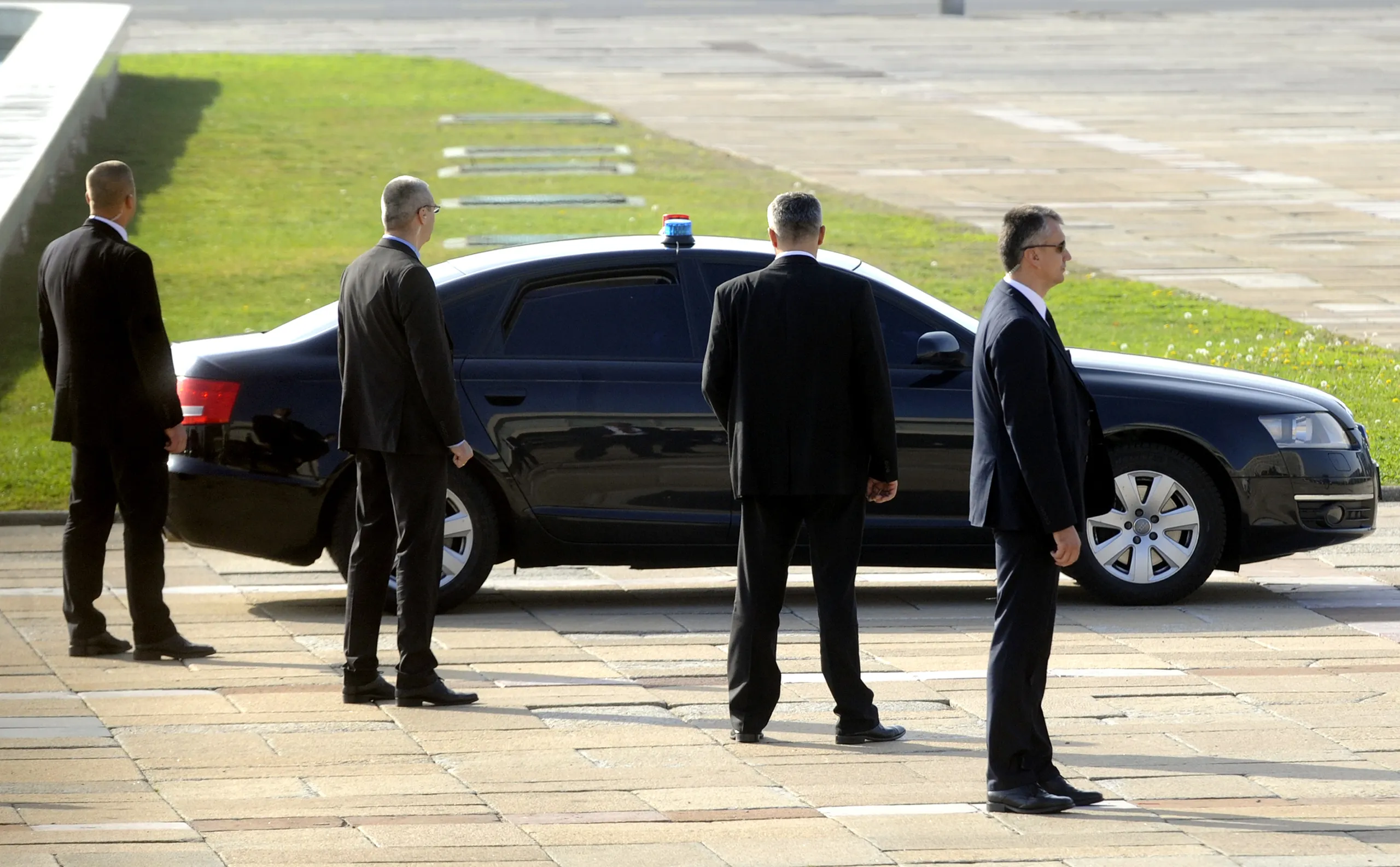
Dublin has become one of Europe’s most significant corporate destinations, serving as the European headquarters for major US technology companies (Google, Meta, Apple, Microsoft) in the Silicon Docks, the home of the IFSC financial services cluster, and a growing base for UK companies establishing EU-regulated entities post-Brexit. The security environment is low-risk: FCDO issues normal precautions and the US State Dept maintains a Level 1 advisory for Ireland in 2026. Garda Siochana’s 2025 annual report notes ongoing organised crime enforcement, including residual activity following the Kinahan-Hutch conflict, but direct risk to visiting corporate executives is very low. Practical risks are concentrated in the North Inner City and along O’Connell Street, well away from the Ballsbridge, IFSC Docklands, and Dublin 4 operating environment used by the majority of business visitors. Our bodyguard hire in Dublin service provides PSA-licensed close protection through compliant Irish partners, with post-Brexit framework knowledge built in for UK-based clients.
Principals arriving at Dublin Airport (DUB), approximately 10km north of the city via M1/M50, should use pre-arranged professional transfers. Dublin Airport operates two terminals (T1 and T2), and private aviation can be handled through Weston Airport (EIDW) or Executive Handling at DUB. Our security drivers in Dublin team provides vetted vehicles and current route briefings for all transfer legs. Extended deployments in the technology, pharmaceutical, or financial services sector can be supported with residential security in Ballsbridge or Donnybrook and ongoing journey management throughout the Irish operational period.
What are the main security threats in Dublin?
Organised crime awareness
Garda Siochana annual report 2025 notes ongoing enforcement action against Irish organised crime, including residual activity from the Kinahan-Hutch conflict. While the feud has significantly diminished, Irish organised crime retains visibility. This is not a direct risk for standard corporate visitors but is relevant context for high-profile principals, particularly those in the financial or legal sectors whose counterparties may have organised crime adjacency.
Petty theft and antisocial behaviour
O'Connell Street, Henry Street, and the North Inner City area are identified by Garda Siochana as the primary locations for bag snatching, pickpocketing, and aggressive begging. The FCDO advises normal precautions (2026). The Ballsbridge and IFSC Docklands districts carry a materially lower risk profile for corporate visitors.
Gang-related violence
Unconnected to corporate visitors, some high-profile gang-related incidents have occurred in Dublin. The US State Dept Level 1 advisory (2026) reflects the overall low risk. High-profile principals or those with visible public profiles should include this context in threat assessment, even though direct risk to visiting executives is very low.
Vetted operators with direct experience in Dublin
What security services are available in Dublin?
Executive Protection
Vetted close protection officers for visiting executives, technology sector principals, M&A delegations, and pharmaceutical company leadership. Our operators hold licences from the Private Security Authority (PSA) under the Private Security Services Act 2004.
Security Drivers
Professional secure transport from Dublin Airport (DUB), approximately 10km north of the city via M1/M50. Vetted vehicles and professionally trained drivers for all principal movements across Dublin and to Cork or other Irish locations.
Residential Security
Static guarding and access management for executive residences in Ballsbridge, Sandymount, and Donnybrook, and for serviced apartments in the IFSC Docklands. Suitable for extended deployments in the technology, financial services, and pharmaceutical sectors.
Secure Airport Transfers
Met and greeted at Dublin Airport (DUB) at Terminal 1 or Terminal 2, with vetted vehicles for transfer to Ballsbridge, IFSC Docklands, or other corporate destinations. Private aviation coordination available via Weston Airport (EIDW) or Executive Handling at DUB.
What are the rules for private security in Dublin?
Key regulatory requirements for operating security services in Dublin.
Firearms Policy
Under the Firearms Act 1925, no one may possess, use or carry a firearm without a firearm certificate. Applications go to the Garda Superintendent of the district where the applicant lives, or to the Garda Commissioner for a restricted firearm. The Private Security Services Act 2004 does not itself authorise armed security. Ask any provider proposing armed cover for each officer's firearm certificate.
Licensing
The Private Security Authority (PSA) licenses and regulates private security under the Private Security Services Act 2004 (No. 12 of 2004). Section 37 bars anyone from providing a security service without a licence, and the Act's definition of a security guard includes anyone who, for pay, provides protective services in relation to persons. The PSA brings sectors into licensing in stages, so ask any provider which PSA licence it holds and whether it covers the work proposed.
Foreign Operators
Part 6 of the Act sets rules for security services provided by certain persons from other EU member states, working with the security regulator of their home state. The United Kingdom is not an EU member state, so a UK licence on its own gives no standing under Part 6. Ask any provider from outside Ireland how it complies with the Act before work starts.
Sources, checked : Private Security Services Act 2004, revised (Law Reform Commission); Department of Justice: PSA annual report 2022 press release; Firearms Act 1925, revised (Law Reform Commission).
Which areas of Dublin carry elevated risk?
Lower-Risk Areas
- Ballsbridge - embassy district with corporate hotels (Intercontinental, Four Seasons), RDS conference venue; consistently low crime
- IFSC Docklands (Silicon Docks) - international financial services and tech cluster (Google, Meta, LinkedIn); well-managed corporate environment
- Sandymount and Donnybrook - residential suburbs south of the city; very low crime; used by diplomatic community
- Ranelagh - established professional residential suburb; low crime; popular with tech and legal sector professionals
- Dublin 4 generally - the D4 postcode covers Ballsbridge, Donnybrook, and Sandymount; consistently low crime by Dublin standards
Elevated-Risk Areas
- O'Connell Street upper section and Henry Street - bag snatching and pickpocket environment; avoid unaccompanied walking with valuables after dark
- North Inner City (areas beyond IFSC) - some gang activity well away from corporate visitor zones but awareness is appropriate
- Phoenix Park after dark - large urban park that is well-used in daylight but isolated and poorly lit at night
- Peripheral estates in Tallaght, Clondalkin, and Blanchardstown - not relevant to corporate itineraries; listed here for completeness if itineraries venture west of the city
Deploying to Dublin? Get a vetted close protection detail.
Request ConsultationWho do you call in an emergency in Dublin?
Garda Siochana (Police)
999 / 112
Fire service
999 / 112
Medical emergency
999 / 112
Mater Misericordiae University Hospital Emergency
+353 1 803 2000
What travel advisories apply to Dublin?
- FCDO advises normal precautions for Ireland (2026); no restriction on travel to Dublin.
- US State Dept Level 1 advisory for Ireland (2026): exercise normal precautions.
- Garda Siochana annual report 2025 notes ongoing organised crime enforcement activity; high-profile principals should include this contextual awareness in threat assessments.
Frequently Asked Questions
What close protection services are available in Dublin?
What are the main security risks for business visitors to Dublin?
Which areas of Dublin are recommended for business accommodation?
How does Dublin's technology and financial sector drive security requirements?
What should UK operators know before deploying security teams to Dublin?
This page is published by CloseProtectionHire.com and written to editorial standards overseen by James Calloway, Senior Security Consultant (regulation, licensing, vetting and risk frameworks) and Marcus Webb, Security Operations Adviser (operational close protection, secure transport and city-specific safety).
Threat, regulatory and emergency information is sourced to named, dated authorities such as the FCDO, the US State Department and national licensing bodies. Last updated . See how we verify.