Djibouti · Close Protection & Executive Security
Close Protection in Djibouti City, Djibouti
Close protection and security drivers in Djibouti City. Executive security at a strategic Red Sea port hosting US, French, Chinese, and Japanese military bases.
Planning travel to Djibouti City? Speak with a security consultant.
Djibouti City is the capital of the Republic of Djibouti, a small nation at the Bab-el-Mandeb strait – the narrow waterway between the Red Sea and the Gulf of Aden through which approximately 10 to 15 percent of global trade passes. This geographic position has made Djibouti one of the world’s most strategically concentrated locations for foreign military basing: the US AFRICOM operates Camp Lemonnier (the only permanent US military base in Africa), France maintains the Forces Francaises stationnees a Djibouti (FFDJ), China operates its only overseas naval logistics facility, Japan maintains a Self-Defence Force base, and several other nations have bilateral security arrangements. The Doraleh Multi-Purpose Port serves as Ethiopia’s primary maritime gateway for landlocked East Africa’s largest economy.
The security environment in Djibouti City is medium risk. The European Quarter (Plateau du Serpent) is the diplomatic and commercial base for most international visitors, and vetted transport reduces the main city-level risks of street crime in market areas and after-dark robbery. The most significant current security factor is the Red Sea maritime situation: Houthi attacks on commercial shipping since November 2023 have elevated the maritime security risk in Djibouti’s adjacent waters and changed the profile of international visitors to the port, which now includes more naval and maritime security contractors alongside the established logistics and finance sector visitors. Source: FCDO Djibouti travel advice (2026); US State Dept Djibouti travel advisory (2026).
Djibouti-Ambouli International Airport (JIB) is approximately 5km from the city centre. For regional context, Addis Ababa in Ethiopia is the primary East African hub, and Nairobi provides additional regional staging options.
Threat Profile
Regional Maritime Instability
Houthi attacks on Red Sea and Gulf of Aden commercial shipping since November 2023 have significantly affected maritime security in the waters surrounding Djibouti. Djibouti's strategic position at the Bab-el-Mandeb strait means regional instability directly shapes its security environment and the profile of international visitors to the port. Source: FCDO Djibouti travel advice (2026).
Street Crime
Opportunistic theft, robbery, and pickpocketing occur in Djibouti City, particularly in the Balbala district, around the central market (Marche Central), and after dark. Business visitors should use vetted transport for all movement and avoid displaying valuables.
Border Area Caution
The FCDO advises heightened caution near the Eritrean and Ethiopian borders. Djibouti City itself is rated for normal precautions by the FCDO, but overland travel toward the borders requires a current security assessment. The Eritrea border reflects ongoing tensions and the aftermath of the Tigray conflict.
Vetted operators with direct experience in Djibouti City
Available Services in Djibouti City
Security Drivers
Vetted security drivers for airport transfers from Djibouti-Ambouli International Airport (JIB) and in-city corporate movement.
Bodyguard Hire
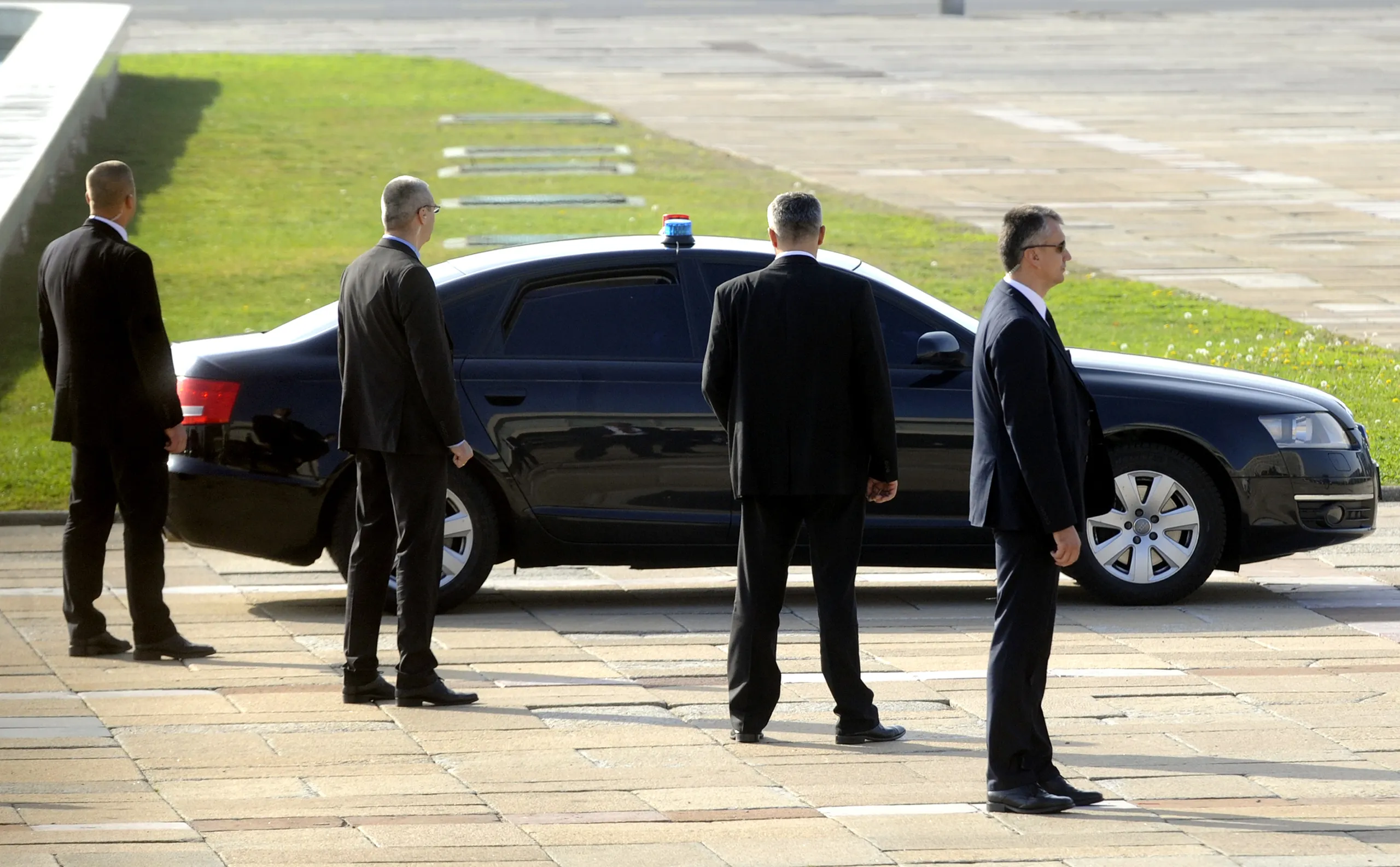
Close protection officers for port logistics executives, military contractors, diplomatic visitors, and senior corporate personnel.
Executive Protection
Structured EP programmes for principals with regular or extended Djibouti City presence.
Risk Assessment
Pre-visit security assessment covering Djibouti's regional strategic environment and current threat picture.
Security Regulations
Key regulatory requirements for operating security services in Djibouti City.
Firearms Policy
Armed private security is tightly restricted in Djibouti. Foreign nationals may not carry weapons. Armed security, where warranted by a specific threat assessment, must be through licensed Djiboutian operators with appropriate authorisation.
Licensing
Private security companies in Djibouti operate under the national regulatory framework. Verify operator registration before engagement.
Foreign Operators
Foreign close protection personnel may accompany principals in an unarmed advisory capacity. Armed security must be through licensed Djiboutian operators.
Zone Intelligence
Lower-Risk Areas
- European Quarter (Plateau du Serpent): the diplomatic and commercial core with the majority of embassies, international hotels, and business offices. The recommended base for international visitors.
- Heron residential district: expatriate residential area with lower crime exposure than the city centre markets.
- Camp Lemonnier area: US military base presence in this zone provides additional ambient security.
Elevated-Risk Areas
- Balbala district: the main suburban residential area with elevated petty crime and robbery risk.
- Central market (Marche Central) area: elevated theft and pickpocketing risk.
Deploying to Djibouti City? Get a vetted close protection detail.
Request ConsultationEmergency Contacts
Police
17
Fire service
18
SAMU (medical emergency)
351 351
Hopital General Peltier
+253 21 35 35 35
French military medical (FFDJ)
Via embassy for authorised personnel
Important Warnings
- Houthi attacks on Red Sea shipping since November 2023 have elevated the maritime security risk in Djibouti's adjacent waters. This primarily affects maritime and port operations; the city itself is not directly targeted. Monitor the Red Sea security situation as part of any Djibouti engagement. Source: FCDO Djibouti travel advice (2026).
- Djibouti-Ambouli International Airport (JIB) is approximately 5km from the city centre. Pre-arrange airport transfers with a vetted driver, particularly for late arrivals.
- Healthcare in Djibouti City includes Hopital General Peltier and private clinics. For serious trauma or specialist conditions, medical evacuation to Dubai, Nairobi, or France is the appropriate response. Medical evacuation insurance is recommended.
Frequently Asked Questions
Request a Consultation
Describe your security requirements below. All enquiries are confidential and handled by licensed consultants.
Your enquiry has been received. A security consultant will contact you within 24 hours to discuss your requirements.