
Planning travel to Belgrade? Speak with a security consultant.
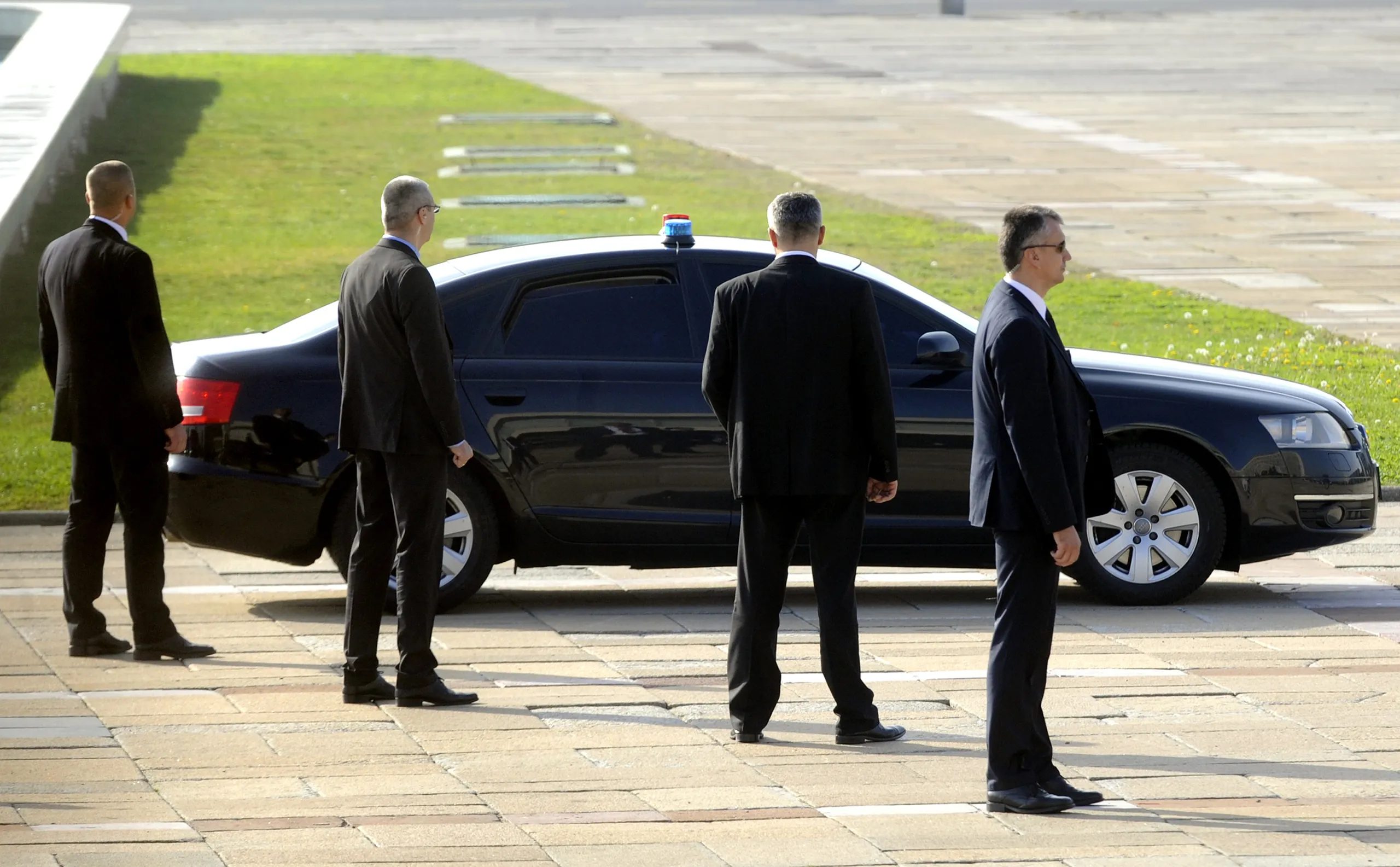
Belgrade functions as the regional headquarters hub for Balkans operations across automotive, agriculture, financial services, and energy sectors. As an EU accession candidate, Serbia’s regulatory and business environment is evolving, but due diligence requirements remain material, particularly in the energy sector where NIS-Gazprom connections create sanctions awareness obligations for international visitors. The overall security environment is low-risk: FCDO advises normal precautions (with a political tension note) and the US State Dept issues a Level 2 advisory for Serbia in 2026. Stari Grad and the Dedinje diplomatic district provide a well-policed operating environment for most corporate itineraries. Our bodyguard hire in Belgrade service provides MUP-licensed close protection through compliant local partners, with officers experienced in Belgrade’s diplomatic and commercial districts.
Principals arriving at Nikola Tesla Airport (BEG), approximately 18km west of the city via E75/A1, should use pre-arranged professional transfers exclusively. Unofficial taxis at the airport rank have a documented history of overcharging, and the transfer window is when visiting executives are most exposed. Our security drivers in Belgrade team uses vetted vehicles and provides current protest monitoring as part of journey planning, with medical evacuation routes to Vienna or Budapest available if required. Extended deployments in the automotive supply chain (Stellantis Kragujevac) or regional banking sector can be supported with ongoing residential security and journey management.
What are the main security threats in Belgrade?
Organised crime awareness
Serbia has documented organised crime network activity identified in Europol Serbia reports. While the overall advisory level is low, corporate visitors involved in energy sector dealings, regional distribution, or joint ventures should conduct structured counterparty due diligence. NIS-Gazprom connections in the Serbian energy sector require specific sanctions awareness for international visitors.
Political protests
Political demonstrations occur periodically in Belgrade, sometimes drawing a police response. The FCDO advises normal precautions (2026) but notes some political tension. The US State Dept Level 2 advisory (Exercise Increased Caution, 2026) includes a caution note regarding protests. Advance monitoring and route alternatives should be included in principal movement planning.
Petty theft and transport scams
Pickpocketing in transit hubs and crowded market areas is the most common visitor-facing crime. Unofficial taxis at Nikola Tesla Airport (BEG) have a documented history of overcharging: only authorised operators should be used. Pre-arranged professional transfers are strongly recommended for all principal movements.
Vetted operators with direct experience in Belgrade
What security services are available in Belgrade?
Executive Protection
Vetted close protection officers for visiting executives, M&A delegations, and regional headquarters personnel. All operators hold licences under Serbian Law on Private Security (Official Gazette No. 104/2013) issued by the Ministry of Interior (MUP).
Security Drivers
Professional secure transport from Nikola Tesla Airport (BEG), approximately 18km west of the city centre via E75/A1. Drivers are briefed on current protest monitoring and use vetted, maintained vehicles.
Residential Security
Static guarding and access management for executive residences in Dedinje and Vracar, and for temporary accommodation in the Stari Grad area. Suitable for extended regional headquarters deployments.
Secure Airport Transfers
Met and greeted at Nikola Tesla Airport (BEG) with vetted vehicles, eliminating the risk of unofficial taxi overcharging. Private handling coordination available for charter arrivals.
What are the rules for private security in Belgrade?
Key regulatory requirements for operating security services in Belgrade.
Firearms Policy
Firearms in Serbia are governed by the Law on Weapons and Ammunition. We have not confirmed in the Law on Private Security when private security staff may carry firearms, so ask any operator which permit covers each weapon.
Licensing
Private security in Serbia is regulated by the Law on Private Security (Official Gazette of the Republic of Serbia No. 104/2013). The Ministry of Interior (MUP) issues licences to security companies and to individual staff, who must first pass a professional exam. Licences have been mandatory since 1 January 2017.
Foreign Operators
Any company providing private security in Serbia needs a MUP licence. We have not confirmed in the law whether a foreign company or foreign national can obtain one, so take local legal advice before a foreign team carries out protective duties.
Sources, checked : Danas, PKS: no security without a licence, MUP licensing deadline of 1 January 2017 (4 October 2016); TEME journal, Private security in Serbia: legal basis and education (2018), citing Official Gazette RS No. 104/2013.
Which areas of Belgrade carry elevated risk?
Lower-Risk Areas
- Stari Grad (Old Town) - Belgrade's historic and commercial core; well-policed and active throughout the day
- Savamala cultural and creative district - regenerated waterfront area; lower crime and increasing professional footfall
- Dedinje - established diplomatic and residential district used by embassies and senior government residences; consistently low crime
- Vracar - well-policed central residential neighbourhood; suitable for corporate accommodation
Elevated-Risk Areas
- Zemun and Zemun Polje - some historical organised crime associations; not typical for corporate itineraries but awareness is appropriate
- Unlicensed taxi stands at Nikola Tesla Airport - overcharging documented; use only authorised operators or pre-arranged professional transfers
- Late-night entertainment areas in New Belgrade and along the Ada Ciganlija riverbank - rowdy weekend environment; exercise caution after midnight
Deploying to Belgrade? Get a vetted close protection detail.
Request ConsultationWho do you call in an emergency in Belgrade?
Police
192
Fire service
193
Medical emergency
194
KCS Emergency Centre
+381 11 361 7777
Emergency Services (112 reaches the police operations centre, which alerts the ambulance service and fire brigade; 192, 193 and 194 remain in use)
112
University Clinical Centre of Serbia (UKCS) switchboard, Pasterova 2, Belgrade
+381 11 361 8444
Acibadem Bel Medic General Hospital (private, English-speaking, open 24 hours), Koste Jovanovica 87, Belgrade
+381 11 309 1000
Euromedik General Hospital (private, English-speaking), Visegradska 20, Belgrade
+381 11 3650 660
What travel advisories apply to Belgrade?
- FCDO advises normal precautions for Serbia (2026) with a note that some political tension exists; monitor local media during visits.
- US State Dept Level 2 advisory for Serbia (2026): exercise increased caution; caution note regarding protests in Belgrade.
- Sanctions awareness is required for corporate dealings involving the Serbian energy sector, particularly any entities with NIS-Gazprom connections.
Frequently Asked Questions
What close protection services are available in Belgrade?
What are the main security risks for business visitors to Belgrade?
Which Belgrade areas are recommended for corporate accommodation?
Is Serbia a safe destination for corporate travel in 2026?
What should international operators know before deploying security teams to Serbia?
This page is published by CloseProtectionHire.com and written to editorial standards overseen by James Calloway, Senior Security Consultant (regulation, licensing, vetting and risk frameworks) and Marcus Webb, Security Operations Adviser (operational close protection, secure transport and city-specific safety).
Threat, regulatory and emergency information is sourced to named, dated authorities such as the FCDO, the US State Department and national licensing bodies. Last updated . See how we verify.