
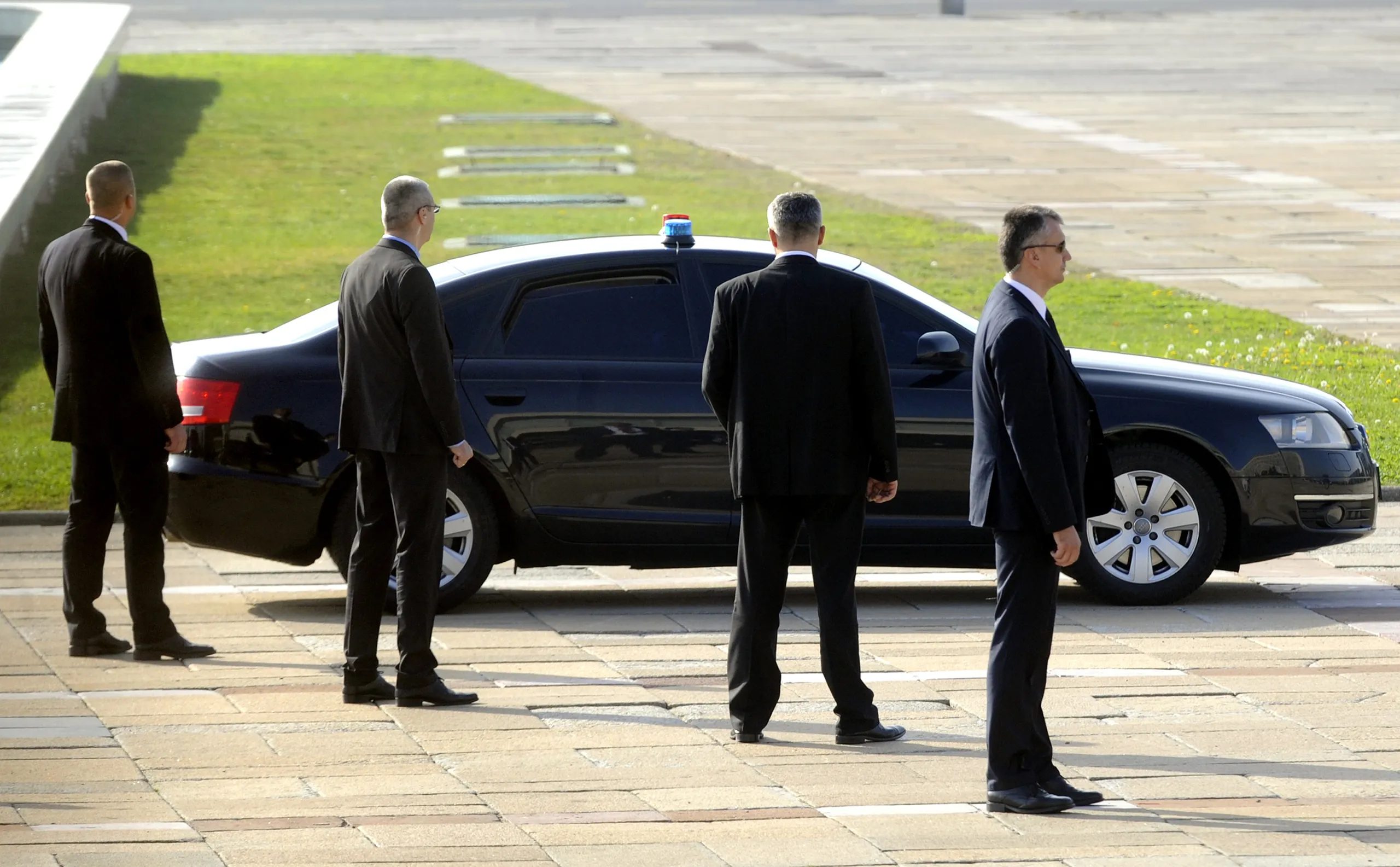
Planning travel to Accra? Speak with a security consultant.
Accra is the capital and commercial centre of Ghana and the most stable major business hub in West Africa. Ghana has maintained civilian democratic government since 1993, completed multiple peaceful transfers of power, and has a developed English-speaking commercial infrastructure that makes it accessible for international corporate operations.
Ghana’s position in the West Africa business landscape
For companies with West African operations, Accra often serves as a regional hub or entry point. The English-speaking business environment, functional banking system, and relative political stability make it a more operationally manageable base than Lagos or Abuja, though both carry higher commercial weight. Ghana’s key economic sectors (oil and gas, gold mining, cocoa, and a growing technology cluster) draw genuine international business traffic.
The risk picture in context
Accra’s risk profile is lower than most West African capitals. The absence of large-scale organised crime structures comparable to Nigerian criminal networks, and the relative political stability, create a different operating environment from Lagos. That does not mean risks are absent. Petty crime, armed robbery, and road safety are real concerns that require professional transport and zone awareness.
Operating zone
The Airport Residential Area and Cantonments provide the core operating zone for business visitors. International hotels, diplomatic missions, and major corporate offices are concentrated here. The proximity to the airport is operationally convenient and the area has the highest private security infrastructure concentration in the city.
Sources: FCDO Ghana travel advice. US State Department Level 2 advisory Ghana. US Embassy Accra security report. For comparable operating environments in our network, see our Lagos city briefing and Dakar city briefing.
What are the main security threats in Accra?
Petty Crime
Bag snatching, pickpocketing, and opportunistic theft are the primary crime concerns for business visitors in Accra. Incidents are concentrated around Kotoka International Airport, Makola Market, Osu commercial area, and in traffic. Smash-and-grab theft targeting vehicles at traffic lights is documented. Source: US Embassy Accra security advisory; UK FCDO Ghana travel advice.
Armed Robbery
Armed robbery targeting businesses, including ATM robberies and business premises attacks, is documented in Accra. The risk to individual business visitors moving in commercial zones is lower than in many West African capitals, but is not negligible, particularly at night and in less-developed commercial areas outside the main hotel zone.
Political Unrest
Ghana has a functioning electoral democracy and has completed multiple peaceful transfers of power. Political demonstrations occur around election periods (Ghana holds elections every four years; the most recent was December 2024). Demonstrations can block traffic and in some instances involve clashes with security forces. Monitor election period conditions.
Road Safety
Road accidents are a significant risk in Accra. Traffic is heavy and road discipline inconsistent. Night driving outside the main commercial corridors carries elevated accident risk. Use a vetted driver who knows current road conditions.
Vetted operators with direct experience in Accra
What security services are available in Accra?
Security Drivers
Pre-booked vetted drivers for airport transfers and in-city business movement. Recommended baseline for all corporate visits to Accra.
Bodyguard Hire
Close protection officers for higher-profile visits or elevated-risk assignments in Ghana.
Executive Protection
Security arrangements for executives operating in Ghana's finance, extractives, and technology sectors.
Risk Assessment
Pre-travel risk assessment for Accra and Ghana operations. Covers current political conditions, zone mapping, and sector-specific risk.
What are the rules for private security in Accra?
Key regulatory requirements for operating security services in Accra.
Firearms Policy
Private security in Ghana is unarmed. Regulation 13 of the Police Service (Private Security Organisations) Regulations, 1992 (L.I. 1571) prohibits private security organisations and their personnel from possessing or using firearms and ammunition, as the Minister for the Interior restated on 23 June 2026. A personal firearm licence, issued by the Ghana Police Service under the Arms and Ammunition Decree, 1972 (NRCD 9), cannot be used to run a security business. Treat any offer of armed private guards in Accra as a warning sign.
Licensing
Private security organisations in Ghana are controlled under section 38 of the Police Service Act, 1970 (Act 350) and the Police Service (Private Security Organisations) Regulations, 1992 (L.I. 1571). The Ministry of the Interior licenses them, and in June 2026 it suspended a company's licence for firearms and uniform breaches. Ask any provider for its current Ministry licence before engagement.
Foreign Operators
Section 38(2) of the Police Service Act covers any organisation providing watching, guarding, patrolling or protection services. No separate licensing route for a foreign security company could be confirmed on 6 October 2026. Use a Ministry-licensed Ghanaian operator for protective work in Accra, and take local legal advice before a foreign team carries out protective duties. The firearms ban in regulation 13 applies to every private security organisation.
Sources, checked : Police Service Act, 1970 (Act 350), text (GhaLII); Ghana News Agency, Private security organisations prohibited from possessing firearms (23 June 2026); Ghanaian Times, Interior Ministry suspends Kantanka Security Services licence (21 June 2026); Ghana Police Service, Central Firearms Unit.
Which areas of Accra carry elevated risk?
Lower-Risk Areas
- Airport Residential Area (ARA): Primary expatriate and business district. Highest concentration of international hotels, diplomatic missions, and business offices.
- Cantonments: Embassy and residential zone with good security infrastructure.
- Labone and East Legon: Upmarket residential areas with lower crime profiles.
- Osu (commercial zone, daytime): Central commercial area manageable during business hours with awareness.
Elevated-Risk Areas
- Makola Market and central commercial area: High pedestrian density, elevated theft risk.
- La (Accra beachfront area): Petty crime documented, particularly at night.
- Nima and Newtown: Northern Accra neighbourhoods with higher crime rates, not on standard corporate itineraries.
Deploying to Accra? Get a vetted close protection detail.
Request ConsultationWho do you call in an emergency in Accra?
Police
191
Ambulance
193
Fire
192
Greater Accra Regional Hospital (Ridge Hospital)
+233 30 266 8301
What travel advisories apply to Accra?
- Kotoka International Airport is located within the ARA/Cantonments zone. It is one of the better-served airports in West Africa for transport logistics. Pre-book your transfer. Do not use informal taxis from outside the terminal.
- Ghana's Jubilee oil field operations and related business activity bring high-value corporate traffic to Accra. The energy sector community is a known target for sophisticated scams and business email compromise. Exercise due diligence on all business contacts.
- Beach areas around Accra (Labadi, La) carry petty crime risk and, at night, higher robbery risk. Business visitors should not visit beach areas unaccompanied at night.
- Healthcare in Accra is limited by international standards. The Nyaho Medical Centre and some private clinics provide adequate routine care. For serious conditions, medical evacuation to South Africa or the UK is the appropriate response. Confirm evacuation insurance before travel.
Frequently Asked Questions
Is Accra the safest capital in West Africa?
What is the business climate in Accra?
Do I need close protection in Accra?
What is the healthcare situation in Accra?
How do I get from Kotoka Airport to my hotel?
This page is published by CloseProtectionHire.com and written to editorial standards overseen by James Calloway, Senior Security Consultant (regulation, licensing, vetting and risk frameworks) and Marcus Webb, Security Operations Adviser (operational close protection, secure transport and city-specific safety).
Threat, regulatory and emergency information is sourced to named, dated authorities such as the FCDO, the US State Department and national licensing bodies. Last updated . See how we verify.