
Travelling to Nairobi? Talk to us before you finalise your transport and accommodation plan.
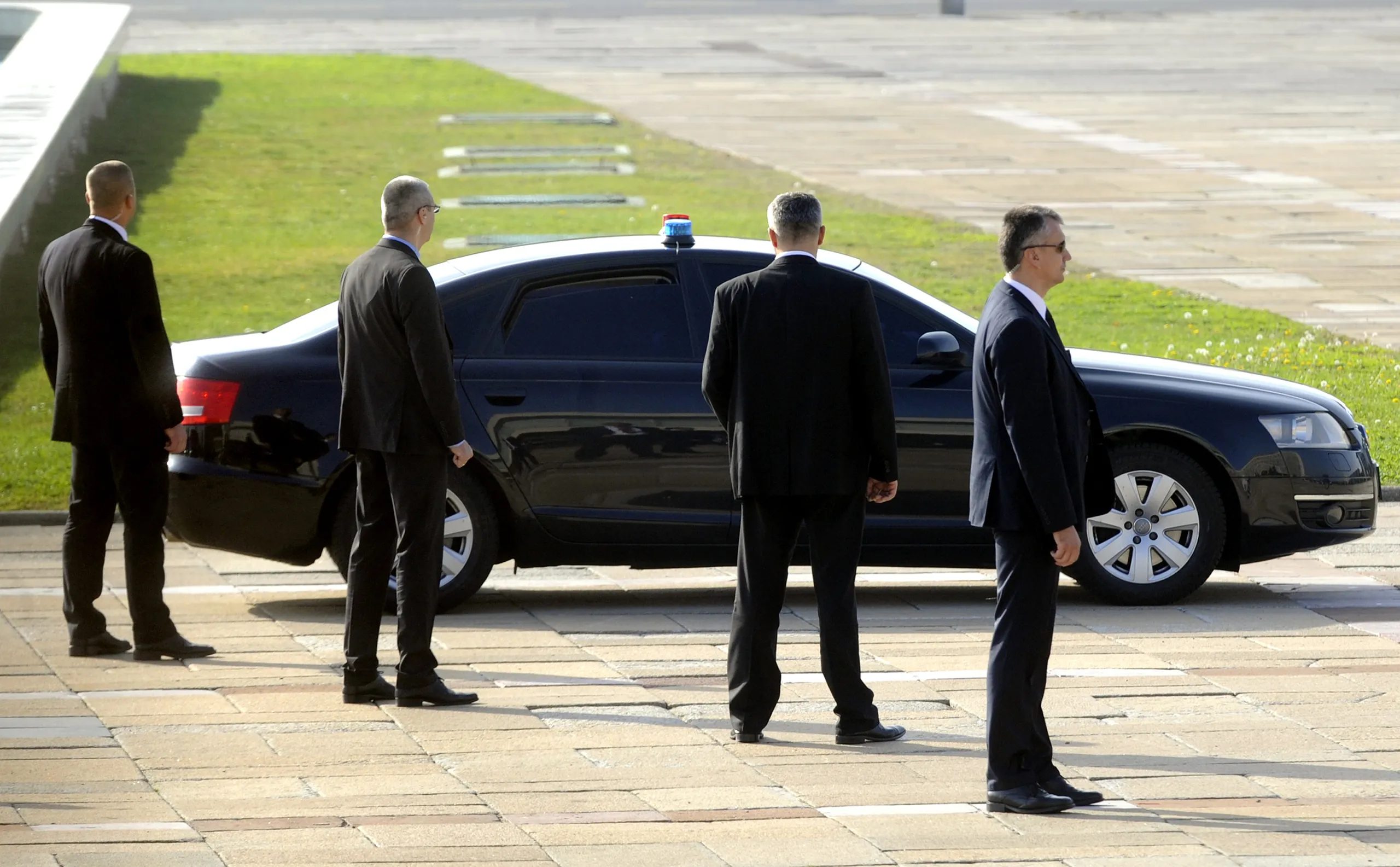
Hiring a bodyguard in Nairobi is usually tied to a specific trip: a regional headquarters visit, field movement, or travel through higher-risk corridors. This page covers how close protection hire works in Kenya, what a PSRA-registered officer does across a day of movements, and how quickly cover is arranged. With carjacking and armed robbery among the main risks, hire pairs a licensed officer with a security driver and appropriate vehicle, scaled to the itinerary rather than a fixed contract.
The Nairobi threat environment
The FCDO maintains a travel advisory for Kenya that advises against travel to specific regions (parts of Lamu and Tana River counties, the area within 60km of the Somali border) but does not advise against travel to Nairobi. The US State Department rates Kenya at Level 2 (Exercise Increased Caution) with specific Do Not Travel guidance for the Kenya-Somalia border. For business visitors operating in Nairobi specifically, the threat picture that matters is:
Carjacking and armed robbery during vehicle journeys. This is the most consistently documented threat type for foreign visitors. The Mombasa Road corridor from JKIA, the Thika Road corridor, and movements after dark in less central areas are the highest-risk patterns.
Residual terrorism threat. The 2013 Westgate Mall and 2019 DusitD2 attacks remain the defining incidents. Kenyan security services are active and experienced; the threat to high-profile venues including international hotels is not absent but is actively managed.
Opportunistic crime. Pickpocketing in CBD areas, tourist-targeted fraud, and burglary of inadequately secured accommodation.
The PSRA framework
Kenya’s Private Security Regulation Act 2016 created the Private Security Regulatory Authority (PSRA), which licenses and regulates private security companies and personnel. All operators we engage in Nairobi are PSRA-registered. Private security in Kenya is unarmed: section 53 of the Private Security Regulation Act 2016 bars a private security service provider from using firearms in rendering a security service. The verification step for clients is to ask for the PSRA registration number of the operating company and of the specific officers proposed.
What we provide in Nairobi
Our Nairobi detail is built around PSRA-registered local operators with specific experience of the NGO/UN, diplomatic, and corporate sectors. For most assignments the appropriate model is a vetted security driver with operational base check-ins, scaling up to formal close protection where threat profile warrants it. The Karen and Runda residential belts have their own security culture; we work with the existing residential security where the principal stays in those areas rather than duplicating it.
For complementary services in Nairobi, see our Nairobi city page, is Nairobi safe for business travel, and our security drivers Nairobi guide.
Hiring for a wider corporate programme rather than a single trip? See executive protection in Nairobi. To check the credentials and vetting behind the officers, see close protection officers in Nairobi.
What does this cover in Nairobi?
PSRA-Registered Operators
All operators we engage in Nairobi are registered under Kenya's Private Security Regulation Act 2016, administered by the Private Security Regulatory Authority (PSRA). Registration is the floor; specific close protection competence sits on top of it.
Jomo Kenyatta International (NBO) and Wilson Airport Coverage
Pre-arranged collection at JKIA or Wilson. The Mombasa Road corridor from JKIA into Westlands and Kilimani has known vehicle-crime patterns; route choice and timing reflect that.
Westlands, Kilimani, Karen, Runda Coverage
Operational familiarity with the diplomatic and corporate accommodation areas. The Karen and Runda residential belt has its own security model; Westlands and Kilimani for business and serviced apartments have a different one.
NGO and UN Sector Brief
Nairobi is a major hub for the UN and international humanitarian sector. Specific experience of NGO security protocols, including journey-management plans, hibernation/relocation triggers, and the typical insurance and duty-of-care requirements.
Carjacking Avoidance Standard
Carjacking and armed robbery during vehicle journeys remain the most documented threat type for foreign visitors in Nairobi. Driver training, route variation, and timing are the primary mitigations rather than vehicle hardening.
Cross-Border and Provincial Movement
For itineraries extending to Mombasa, Eldoret, or cross-border into Uganda or Tanzania, we plan and brief the changes in threat profile that each leg introduces.
Sources for this page
Licensing, firearms and foreign-operator rules for Nairobi, checked : Kenya Law, Private Security Regulation Act No. 13 of 2016 (revised to 31 December 2022); Kenya Law, Firearms Act Cap 114 (revised to 31 December 2022); The Star, Regulator cracks down on illegal security firms (28 March 2026); Kenya News Agency, Government urged to fast-track reforms allowing guards have firearms (22 December 2025). The full rules are on our Nairobi security overview.
Travel advice quoted on this page: FCDO travel advice: Kenya; US State Department travel advisory: Kenya. Advice changes; read the current version before travel.
Frequently Asked Questions
Do bodyguards in Nairobi need a licence?
What is the threat picture for business visitors in Nairobi?
How much does a bodyguard cost in Nairobi?
Do I need close protection for an NGO assignment in Nairobi?
This page is published by CloseProtectionHire.com and written to editorial standards overseen by James Calloway, Senior Security Consultant (regulation, licensing, vetting and risk frameworks) and Marcus Webb, Security Operations Adviser (operational close protection, secure transport and city-specific safety).
Threat, regulatory and emergency information is sourced to named, dated authorities such as the FCDO, the US State Department and national licensing bodies. Last updated . See how we verify.