
Travelling somewhere high-risk? Speak with a security consultant.
“Is Mumbai safe for women” is one of the highest-volume safety queries in India. For female business travellers attending meetings in Mumbai, the question deserves a more specific answer than the generic safety guides typically provide. This article covers the genuine threat picture, the most effective practical measures, and when professional security support adds value.
The Honest Baseline
Mumbai is India’s commercial capital and one of the most internationally connected business destinations in South Asia. Women business travellers attend meetings in Mumbai every working day at scale, and the overwhelming majority do so without incident.
But the data picture for women’s safety in India broadly is real and is not improved by pretending otherwise. The National Crime Records Bureau (NCRB) consistently records elevated crime against women across major Indian cities. Mumbai’s reported rate of crimes against women is materially lower than Delhi’s, but it is not zero. The risks for female business travellers in Mumbai fall into specific categories that respond to specific mitigation.
The FCDO’s India-specific travel advice for women includes well-considered guidance. The US State Department similarly notes elevated awareness considerations for female travellers in India.
Where the Risks Actually Sit
For business visitors specifically, the risk categories are:
Late-night ground transport. Unaccompanied movement using unbooked taxis, particularly late at night, is the highest-risk category for foreign women in Indian cities. The pattern of concern is the driver re-routing, picking up unauthorised secondary occupants, or aggressive behaviour. Pre-arranged transport with vetted drivers from established operators eliminates the majority of this risk.
Public transport unaccompanied. Mumbai’s local train network is heavily used but crowded conditions, particularly during rush hours, create harassment risk. Mumbai has dedicated “Ladies Compartments” on every local train; the network is otherwise an environment to navigate with deliberate situational awareness.
Hotel environment. Mumbai’s international hotels (Taj Mahal Palace, Trident Oberoi, Four Seasons, St. Regis, ITC Grand Central) operate with strong security infrastructure and well-developed protocols for female guest safety. The hotel environment is generally one of the safest in the itinerary.
Business meeting context. Standard business meetings in office environments in the Bandra-Kurla Complex (BKC), Nariman Point, Lower Parel, and Andheri are routine and unremarkable. Late-evening business or social events extending after standard hours create different consideration points.
Tourist-area harassment. Areas including Colaba Causeway, the Gateway of India, and major shopping districts can involve persistent attention from sellers and others. This is generally a nuisance rather than a threat, but it is a draining and unpleasant experience that pre-planned alternative routing can avoid.
The Pre-Arranged Transport Standard
The single most effective measure for female business travellers in Mumbai is pre-arranged vetted ground transport for all significant movements, with particular attention to:
Airport collection and drop-off, particularly evening arrivals and early morning departures.
Hotel-to-meeting movements during the day.
Any after-hours movements, social events, or movements outside the primary business district.
Movements to and from the airport for any internal India domestic legs (Mumbai to Delhi, Bangalore, Hyderabad).
The pre-arranged standard means: a specific named driver, a registered vehicle, an operator with a current PSARA-licensed agency relationship for any protective component, and a check-in protocol with a central control point. Ride-share apps (Ola, Uber) work in Mumbai and provide significantly better safety than flagged street taxis, but they do not provide the vetting, vehicle standards, or contingency response of a professional service.
Hotel Selection and Briefing
Mumbai’s five-star international hotels are the appropriate accommodation standard for senior female business travellers. Security infrastructure at Taj Mahal Palace, Trident Oberoi, Four Seasons, St. Regis, and ITC Grand Central is substantially upgraded post-2008 and operates to genuine international standards. The hotel security team should be briefed on the visitor’s profile if there are any specific considerations.
Specific points to clarify with the hotel: female staff availability for housekeeping requests where preferred, the protocol for managing approaches to the room (no one is admitted without the guest’s direct authorisation), the protocol for handling unexpected callers, and the procedure for ground transport requests.
When Close Protection is Appropriate
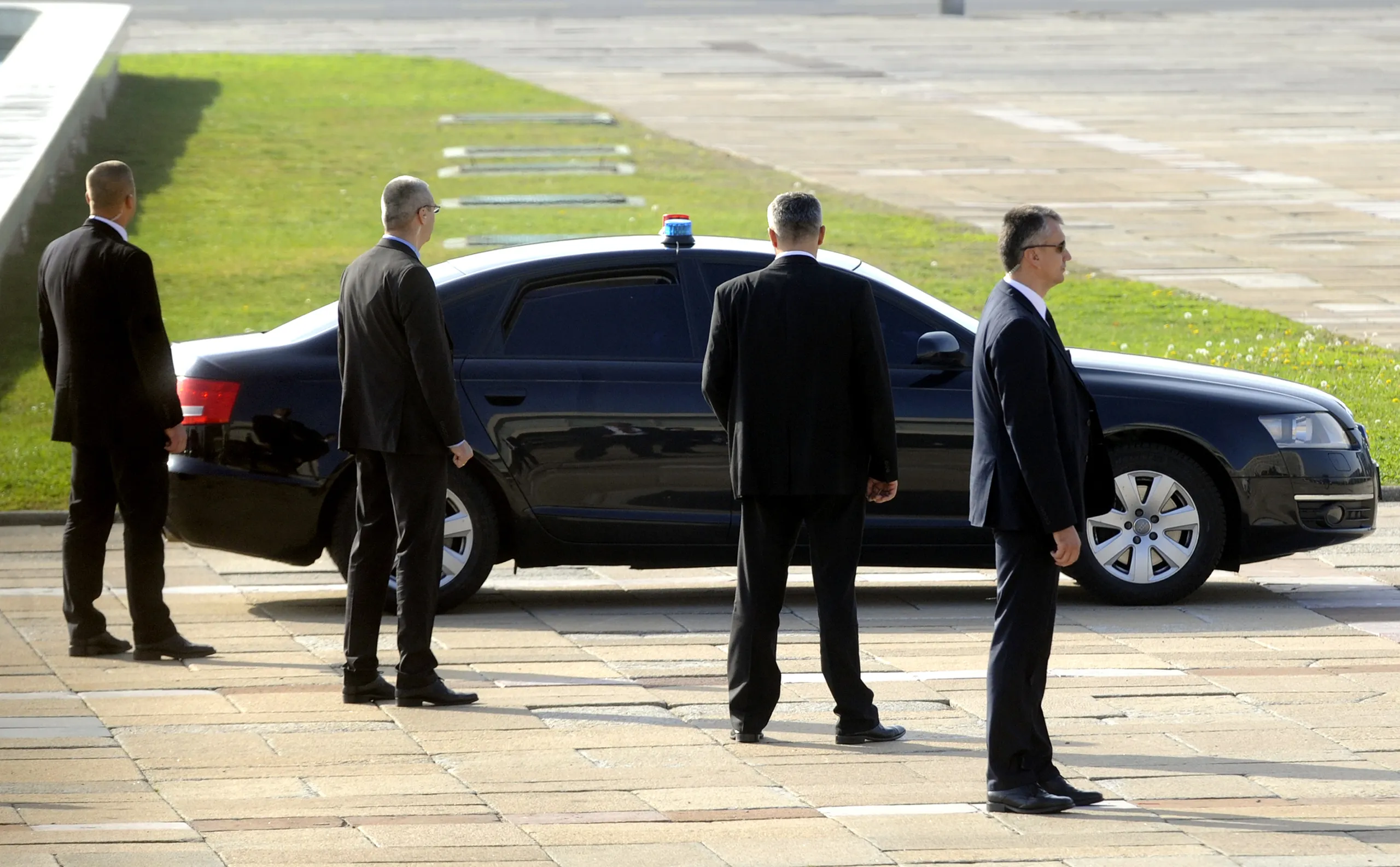
For most business visits to Mumbai by female executives, pre-arranged ground transport, an established hotel, and standard situational awareness are the appropriate baseline. Close protection becomes appropriate when:
- The principal has received specific threats.
- The principal has a public profile in India (media, political, business celebrity) that creates targeting risk.
- The itinerary extends to provincial Indian cities with less developed security infrastructure.
- The itinerary includes late-evening or unconventional venues.
- The principal’s sector or business specifically attracts elevated attention (sensitive M&A, technology IP, political risk consultancy).
The Specific Mumbai Picture
Mumbai is generally regarded among major Indian cities as having a relatively better safety profile for women than several others, particularly Delhi. This is partly cultural and partly the result of high population density in central districts meaning fewer isolated environments. It does not eliminate risk, but it means that the kinds of measures appropriate for Mumbai are typically less intensive than for some other cities.
For full Mumbai service details see our Mumbai city page, our Mumbai EP overview, and our female executive close protection overview.