Security Intelligence
VIP Protection at Conferences and Corporate Events
A practical guide to VIP and executive protection at conferences, forums, and corporate events. Covers advance work, access control, motorcade planning, on-site positioning.
Travelling somewhere high-risk? Speak with a security consultant.
Conferences and major corporate events present a specific set of security challenges for VIP and executive protection. They combine the concentration of high-value targets, open-access environments with multiple entry points, significant media presence, and often complex venue geography: all factors that create security complexity.
Pre-Event Advance Work
The advance agent should conduct a full venue assessment before the principal arrives:
Venue mapping. Physical layout of the conference venue: all entrances and exits, service areas, stairwells, lifts, registration areas, speaker preparation rooms, and the main event spaces. The advance agent should walk every route the principal will use.
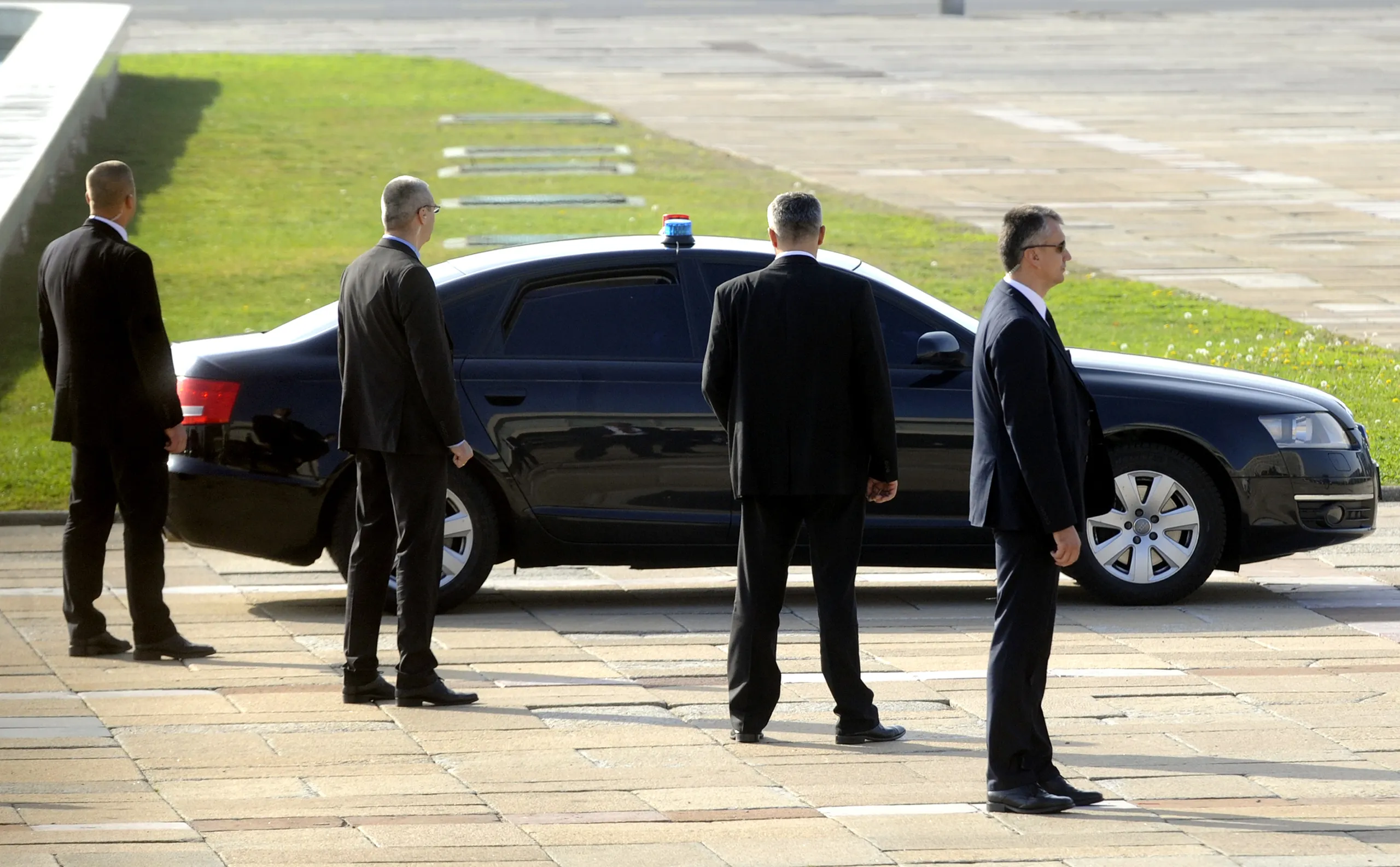
VIP arrival and departure. Where does the principal’s vehicle stop? Who is waiting? What is the walk from vehicle to venue entrance? This should be a controlled, pre-planned sequence: not an improvised walk through a lobby full of delegates and press.
Stage and speaking position assessment. For principals with a speaking role, assess the stage position, sight lines from the audience, entry and exit from the stage, and where the protection officer can be positioned.
Emergency egress. Clear routes from each area the principal will use to a vehicle or secure holding area. These should be walked, timed, and communicated to the team.
Coordination with venue security. Meet the venue security team, understand their protocols, share (appropriate) information about the principal’s requirements, and establish communication channels.
On-the-Day Operations
Arrival sequencing. Time the principal’s arrival to avoid coinciding with peak delegate arrival. If multiple VIPs are arriving, coordinate so their arrivals are staggered.
Credential and access management. The protection officer should have appropriate credentials for all areas the principal will access, including backstage and restricted areas.
Positioning during sessions. The protection officer should maintain a position that provides visibility and rapid response capability without interfering with the principal’s business interactions. This requires judgment about distance and positioning in each environment.
Networking and social events. The least structured parts of a conference (receptions, dinners, networking breaks) are often the highest security risk because movement is unpredictable and the environment is open. The protection officer should maintain close proximity and awareness during these periods.
Departure planning. The most operationally important moment: departure should be planned as carefully as arrival. Vehicle positioning, route confirmation, and departure timing should be confirmed before the session ends rather than improvised at the end.
For VIP protection services at conferences and corporate events, see our event security and executive protection pages.
Frequently Asked Questions
Request a Consultation
Describe your security requirements below. All enquiries are confidential and handled by licensed consultants.
Your enquiry has been received. A security consultant will contact you within 24 hours to discuss your requirements.