Security Intelligence
Security for Shopping Centres and Retail Parks
Security management for shopping centres, retail parks, and high street retail. Covers access control, crowd management, terrorism preparedness, VIP retail visits, CCTV,.
Travelling somewhere high-risk? Speak with a security consultant.
Shopping centres and retail parks are among the most complex public security environments: combining high footfall, open access by design, diverse user populations, and the commercial imperative of a welcoming atmosphere that cannot be compromised by visible fortress-like security measures.
The Retail Security Environment
Open access by design. Retail environments are designed to attract and welcome the public. Unlike airports or government buildings, mandatory security screening is commercially impractical. Security must work within this constraint.
High footfall concentration. Major shopping centres can see hundreds of thousands of visitors weekly. This concentration makes them attractive targets and creates significant crowd management challenges during peak periods.
Complex physical environments. Multi-level buildings, numerous retail units with independent management, service areas, car parks, and delivery access create multiple security considerations and potential vulnerabilities.
Diverse tenant relationships. Shopping centre security must work alongside individual retailer security teams, each with their own procedures and standards.
Core Security Components
CCTV. Comprehensive coverage of public areas, car parks, and service areas. Monitored in real time by trained operators. Retained for evidential purposes. Integration with police intelligence sharing where available.
Security personnel. Visible, trained security staff who deter crime, assist the public, and respond to incidents. Specialist roles for control room operation, response teams, and management.
Hostile vehicle mitigation. Physical barriers protecting pedestrian areas from vehicle-borne attack. Vehicle HVM has become a standard requirement for major retail environments following several high-profile vehicle attacks globally.
Lockdown capability. Tested protocols for locking down the centre in response to a security threat. Coordination with emergency services. Public communication capability.
Terrorism preparedness. ACT training for all staff. Liaison with police Counter Terrorism Security Advisers. Participation in multi-agency exercises.
VIP Retail Visits
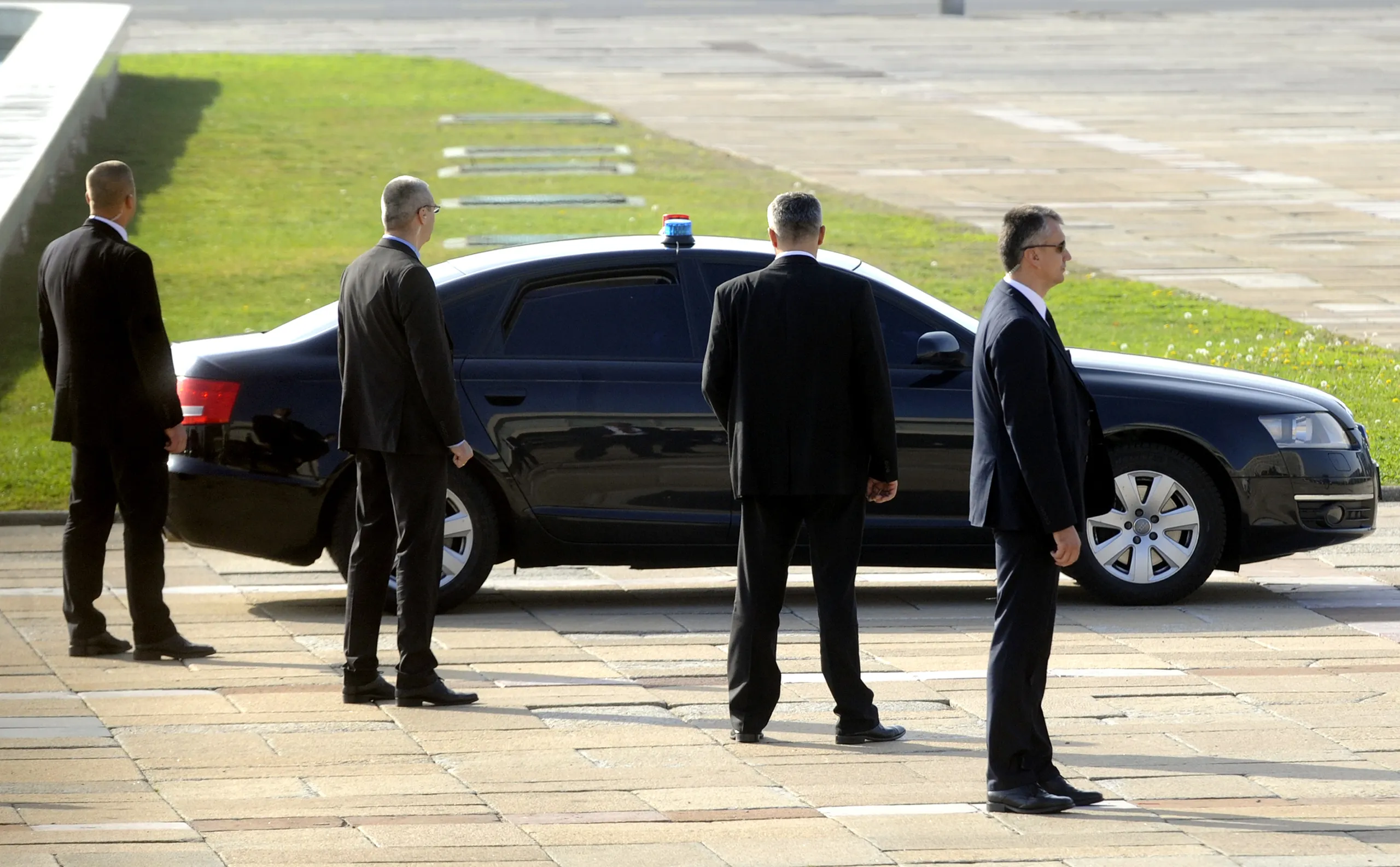
For retail destinations that attract high-profile visitors (luxury retail, flagship stores, celebrity appearances) specific security arrangements including close protection coordination with venue security, controlled access, and media management.
For event security and close protection services relevant to retail environments, see our event security page.
For tailored support on the issues covered here, see our event security service and executive protection service.
Frequently Asked Questions
Request a Consultation
Describe your security requirements below. All enquiries are confidential and handled by licensed consultants.
Your enquiry has been received. A security consultant will contact you within 24 hours to discuss your requirements.