Security Intelligence
Security in Eastern Europe for Corporate Travel: What Executives Need to Know
A practical guide to corporate security in Eastern Europe. Covers Poland, Romania, Czech Republic, Hungary, and the Baltic states.
Travelling somewhere high-risk? Speak with a security consultant.
Eastern Europe spans an enormous range of risk environments. Tallinn is operationally comparable to a Nordic capital. Kyiv is an active conflict zone. Most corporate itineraries fall somewhere between those extremes, and the region’s risk profile has shifted materially since Russia’s 2022 full-scale invasion of Ukraine.
This guide covers the EU member states of Eastern Europe (Poland, Czech Republic, Slovakia, Hungary, Romania, Bulgaria, and the Baltic states) plus a note on operational realities created by the Russia-Ukraine conflict.
The Regional Context in 2026
The Russia-Ukraine conflict has changed the intelligence environment across the region, not just along the frontline. Russia’s GRU has conducted sabotage operations in Poland, the Baltic states, and Germany. These operations have targeted logistics infrastructure, defence contractors, and critical national infrastructure. The pace of operations has increased since 2024.
For most corporate travellers, this means heightened cyber and espionage risk rather than direct physical threat. Executives carrying sensitive commercial or government-adjacent information travelling through the region should apply stricter device and communication security than they would in Western Europe.
Country-Level Assessment
Poland is the primary transit hub for Western engagement with Ukraine and a significant defence manufacturing base. Warsaw and Krakow are low-crime, professionally policed cities. The eastern regions near the Belarusian and Ukrainian borders warrant specific assessment. For corporate travel in Warsaw and major cities, standard protocols are appropriate.
Czech Republic has the lowest overall risk profile of the Eastern European states. Prague is one of the safer European capitals. Petty crime targets tourists in central Prague but is not a serious corporate security concern. There is no specific elevated threat for business travellers.
Hungary presents a different political environment from its EU peers: the government maintains warmer relations with Russia than other EU members, which affects the intelligence-sharing environment. Crime rates are low. For corporate travellers, Hungary’s political alignment is a consideration for due diligence rather than physical security.
Romania has improved significantly as a corporate travel destination over the past decade. Bucharest is operationally manageable. Organised crime remains present but does not typically target Western corporate travellers. Eastern regions near Moldova experience secondary effects of the conflict.
Baltic States (Estonia, Latvia, Lithuania) have the highest threat perception due to their shared borders with Russia and Russia-affiliated Belarus. In practice, Tallinn, Riga, and Vilnius are safe, modern capitals. The elevated threat is from Russian state interference (intelligence collection, influence operations, and potential hybrid warfare actions) rather than crime.
Practical Operational Guidance
For standard corporate travel across EU Eastern Europe:
- Use pre-booked transfers with vetted operators, not street-hailing apps in unfamiliar cities
- Apply standard device security (VPN, encrypted communications) particularly in Poland, Baltic states, and Hungary given the intelligence environment
- Advance venue assessment is good practice for high-profile events; mandatory in Warsaw and Baltic capitals if the visit has any government or defence adjacency
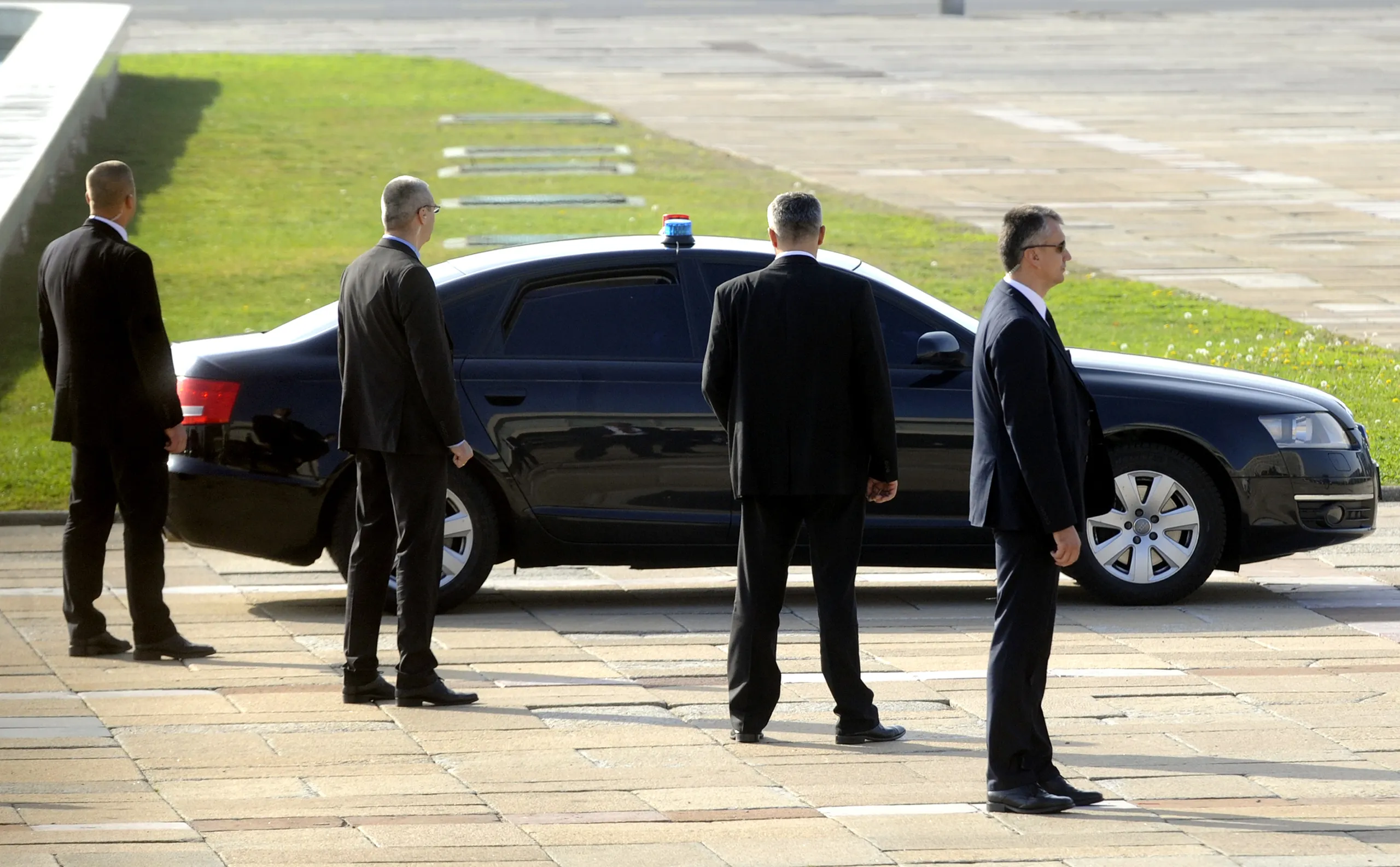
- Local close protection operators hold nationally issued licences; verify these before engagement
For travel near conflict-affected regions or principals with elevated threat profiles, engage a security consultant for a current threat assessment before confirming itineraries.
For close protection services across Eastern Europe, see our executive protection and security drivers pages.
Frequently Asked Questions
Request a Consultation
Describe your security requirements below. All enquiries are confidential and handled by licensed consultants.
Your enquiry has been received. A security consultant will contact you within 24 hours to discuss your requirements.