
Travelling somewhere high-risk? Speak with a security consultant.
Bogota receives around 3 million international visitors per year, a significant proportion of them on business. The city is Colombia’s commercial and political capital, home to major financial institutions, law firms, mining and energy sector headquarters, and a growing technology sector. It is also a city where the first decision you make, how to get from El Dorado airport to your hotel, sets the tone for how you manage risk for the rest of the trip.
Ground transport is where Bogota’s security environment most directly affects business visitors. Getting this right costs a modest amount. Getting it wrong has a range of consequences, most of them expensive.
Why Ground Transport Is a Security Decision in Bogota
The FCDO’s Colombia travel advice, updated regularly, explicitly warns against using unofficial taxis in Bogota. The US Embassy Bogota issues the same guidance. This is not generic caution. It reflects the documented pattern of express kidnapping and robbery that has historically involved passengers entering unverified vehicles at or near El Dorado airport and elsewhere in the city.
El Dorado airport is a particular concentration point. Unlicensed taxi touts approach arrivals in the terminal. These vehicles are occasionally part of criminal operations. The mechanism varies: some deliver passengers to confederates at ATMs; some commit robbery directly. The risk is lower than it was in the late 1990s but it is not historical.
What a Security Driver Adds in Bogota
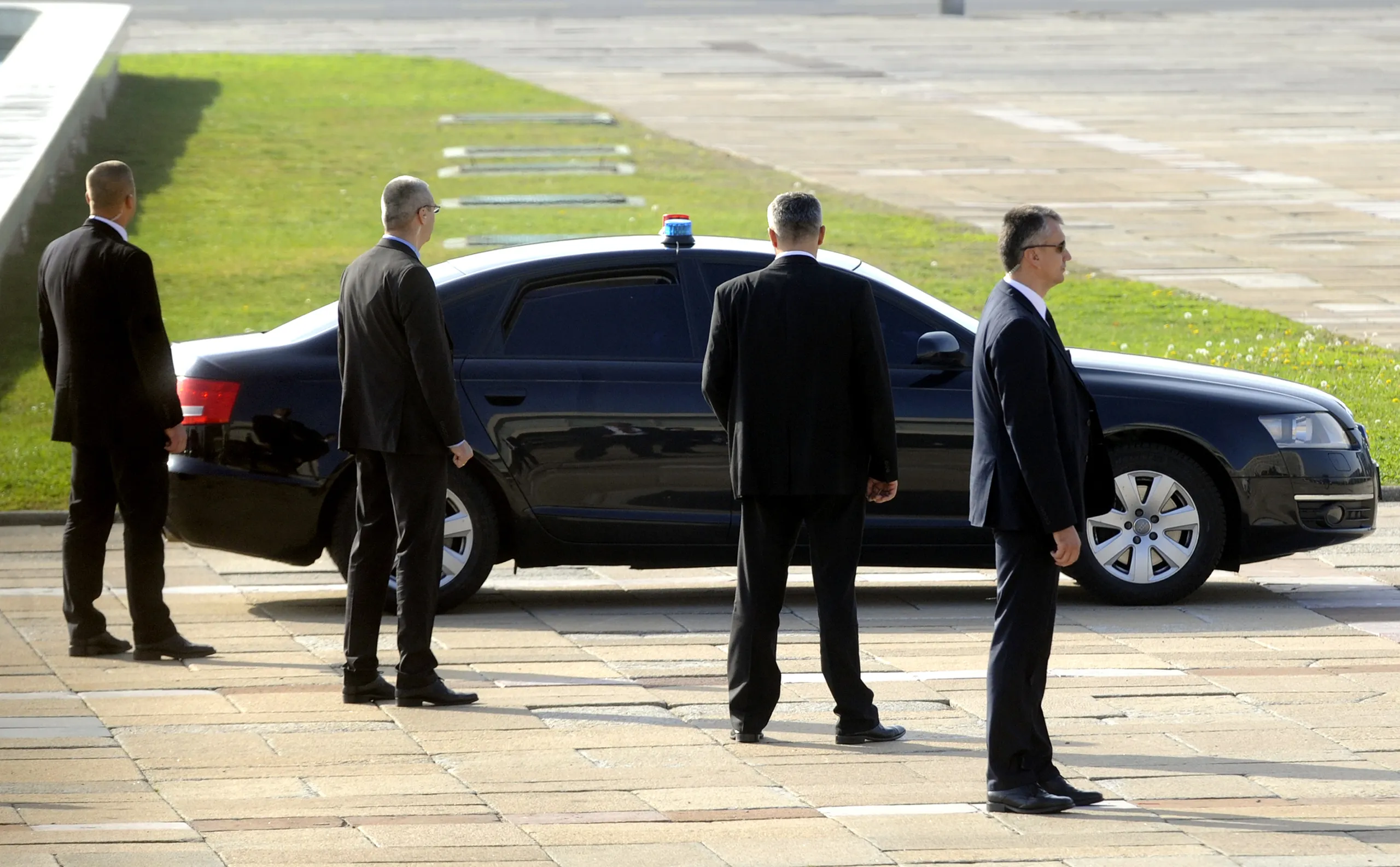
A vetted security driver in Bogota does not simply drive. The operational difference:
Before the journey: The driver (or their operations controller) has assessed the route. They know the current risk points on the airport corridor. They know which areas have had recent incidents. They have an alternative route if the primary is compromised.
On collection: The driver meets you inside the terminal, not at the kerb. They have confirmed your identity before approach. You have confirmed their identity and vehicle registration before entering.
During the journey: The driver is applying anti-surveillance awareness and protective driving technique. They are not following the GPS route blindly. They are aware of the vehicles around them.
Throughout the assignment: They are in contact with an operations controller. If there is an incident, there is a point of contact with full situational awareness, not just a driver alone with a passenger.
The Bogota Business Districts
Knowing where your meetings are matters for route planning.
Zona Rosa and Chicó: Primary business hotel district in the north, reasonable security infrastructure, established international corporate presence.
Usaquen: Further north, high-end residential and commercial, generally manageable.
La Candelaria (Historic Centre): Government buildings, embassies, the central civic area. Higher ambient crime risk than the northern business districts. If your meetings are here, factor the environment into your transport planning.
Anywhere south or west of the historic centre: Materially different security environment. Not relevant for most standard business visits but some mining and logistics sector visits require movement in these areas.
The Helicopter Option
Bogota at peak traffic can take 90 minutes from airport to Zona Rosa by car. Several helicopter transfer services operate in Colombia, and some executives on senior profiles use helicopter transfers from El Dorado for both time efficiency and to eliminate the airport ground transport risk entirely. For the right profile, this is worth assessing.
Practical Transport Hierarchy for Bogota
- Pre-arranged vetted security driver (best): for senior executives, late-night arrivals, and anyone with sector-based risk exposure
- Verified app-based service (Cabify or InDriver): adequate for standard business visits with low profiles during daylight
- Hotel transfer arranged by your accommodation: generally reliable for the airport run if from a known international hotel
- Street taxi or airport taxi tout: avoid
For security driver services in Bogota, see our Bogota city page. Our executive protection service overview covers how ground transport fits into a broader security package.