Security Intelligence
Is Riyadh Safe for Business Travel? A 2026 Security Assessment
Riyadh is one of the world's most significant business destinations in 2026. Vision 2030 has transformed its corporate landscape.
Travelling somewhere high-risk? Speak with a security consultant.
Riyadh in 2026 is one of the most consequential business destinations on the planet. Vision 2030 has redirected hundreds of billions of dollars of investment into Saudi Arabia, and the corporate traffic to Riyadh from Europe, the US, and Asia reflects that. NEOM briefings, Diriyah project visits, ARAMCO supplier meetings, sovereign wealth fund engagements: the agenda of a Riyadh business visit has changed fundamentally.
So has the security picture, though not in the direction the headlines might suggest.
What the Threat Picture Actually Is
Riyadh carries a genuine, documented security risk from the Yemen conflict. Houthi ballistic missiles and drones have targeted Saudi Arabia including Riyadh on multiple occasions. These are not theoretical incidents. King Khalid International Airport has experienced attempted attacks. The Abqaiq and Khurais oil infrastructure attacks in 2019 caused significant damage.
For business visitors in Riyadh’s commercial districts and hotels, the direct risk from these attacks is lower than the headlines suggest. Saudi Arabia’s Patriot PAC-3 and THAAD air defence systems provide meaningful intercept capability. Attacks have targeted infrastructure and military assets, not hotel districts or conference centres. But the threat is not zero, and security briefings for Riyadh visits in 2026 must address it directly, including shelter-in-place protocols and what alarm systems exist.
The terrorism threat from Islamist groups is also not absent. The FCDO notes ongoing terrorism risk, and Saudi Arabia’s security services remain actively engaged in domestic counter-terrorism.
The Vision 2030 Context
Riyadh’s ambient security environment for day-to-day business travel is in many ways more favourable than many comparable business hubs. Street crime is very low. Kidnapping of foreign nationals in Riyadh is not a documented pattern. Express kidnapping, common in Lagos or Bogota, is not a feature of Riyadh’s threat environment.
The risks for most corporate visitors are the macro-level ones: the Houthi conflict dimension and the legal environment. Saudi Arabia’s laws on behaviour, content, and association carry real consequences. Foreign nationals have been detained for social media content, for association with individuals the government views as problematic, and for activities that would be routine elsewhere.
Ground Transport and Movement
Riyadh’s size means that movement between the airport, hotels, and meeting venues requires pre-arranged transport. The city is not walkable for business purposes. Uber and local taxis operate but the standard for senior executives is a pre-arranged vetted driver.
King Khalid International Airport is large and well-managed. The airport transfer to the Diplomatic Quarter hotels or the business district is straightforward with pre-arranged transport.
What Professional Security Looks Like
For executives requiring security support in Riyadh, a standard engagement includes:
Pre-travel threat briefing covering the current Houthi conflict status, any recent incidents, and the legal environment for the specific sectors and activities involved.
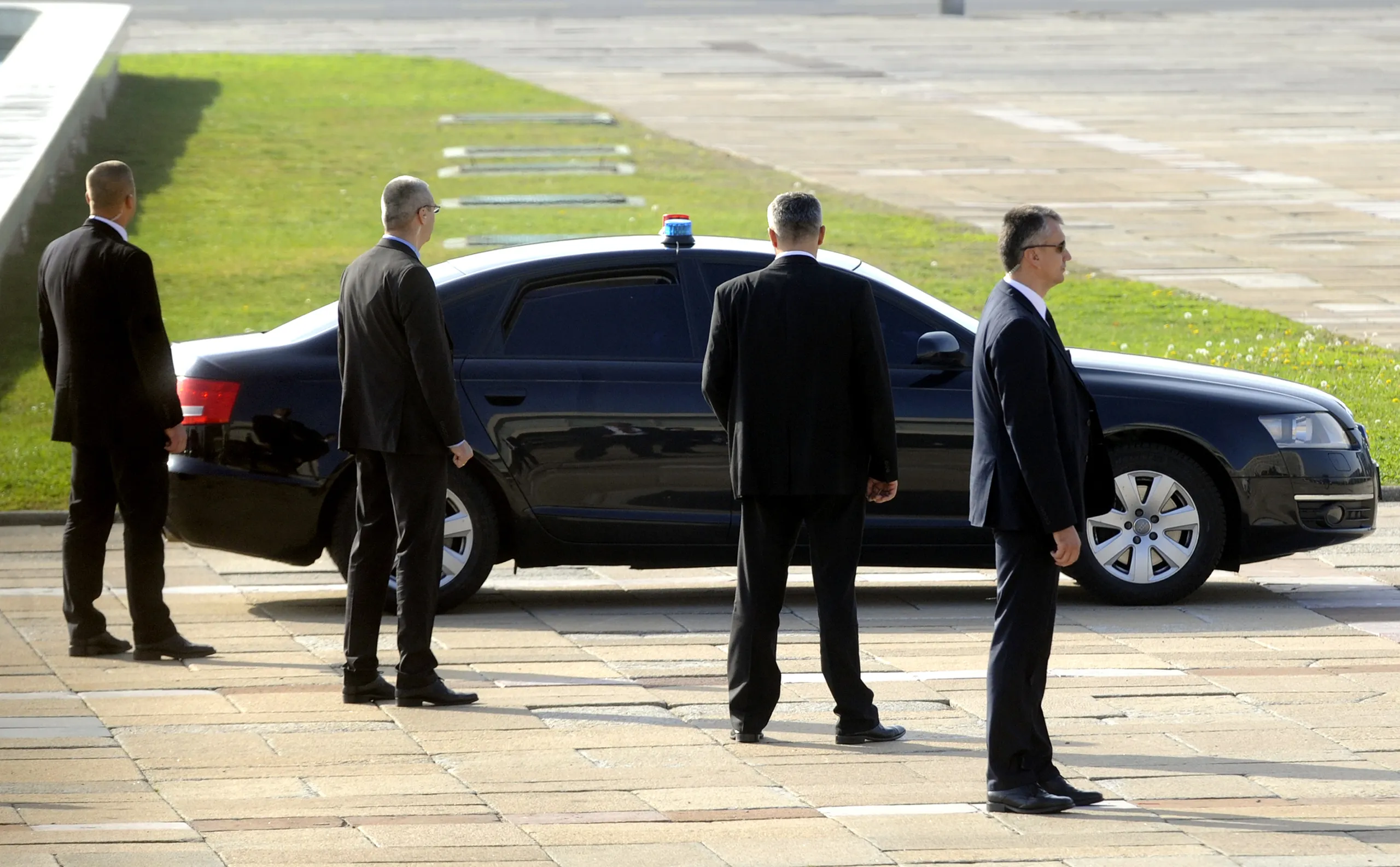
Vetted security driver for all airport transfers and significant movements. This is less about street crime and more about professional management of a complex urban environment.
Close protection for senior principals: unarmed for most corporate profiles, armed through specific authorisation channels for those with elevated threat assessments.
Cultural and legal briefing for all personnel accompanying the principal, covering dress, behaviour, communications, and what to do if approached by Saudi security services.
For full service details, see our Riyadh city page and our overview of executive protection in Saudi Arabia.
Frequently Asked Questions
Request a Consultation
Describe your security requirements below. All enquiries are confidential and handled by licensed consultants.
Your enquiry has been received. A security consultant will contact you within 24 hours to discuss your requirements.