Security Intelligence
Is Nairobi Safe for Business Travel? A Security Consultant's Assessment
Nairobi's security environment for corporate travellers. Crime data, terrorism risk, safe districts, airport transfer risks, and what a realistic security plan looks like.
Travelling somewhere high-risk? Speak with a security consultant.
Nairobi is the commercial capital of East Africa. It is also a city that requires security planning rather than security assumptions. The question in the title deserves a direct answer: Nairobi is safe enough for business travel with appropriate precautions. It is not safe enough to treat like a business trip to Amsterdam or Singapore.
This assessment is written for travel risk managers and executives making a trip decision. It is based on publicly available data and operational experience, not general impressions.
The Risk Environment: What the Data Shows
Nairobi sits in a genuinely elevated risk category by global standards. The FCDO’s travel advice recommends a high degree of caution across Kenya, with specific terrorism warnings. The US State Department similarly rates Kenya at Level 2 (exercise increased caution) with specific Level 3 warnings for border regions with Somalia and Ethiopia.
The primary risk categories for business travellers are:
Street crime and robbery. Opportunistic theft, phone snatching, and mugging occur in the CBD, at Westgate Mall, and in mixed-use areas. The risk is higher after dark and in areas with lower foot traffic.
Carjacking. This is the most common serious crime affecting business travellers. Nairobi has a documented pattern of carjackings at road junctions, at traffic lights, and at residential gate approaches. The Westlands and Ngong Road areas have historically had elevated carjacking incidents. A security-trained driver with junction awareness significantly reduces this exposure.
Terrorism. Al-Shabaab has demonstrated both the capability and intent to conduct mass-casualty attacks in Nairobi. The Westgate attack in 2013 killed 67 people. The DusitD2 attack in January 2019 killed 21 people at a complex that included offices, a hotel, and a conference facility. These are not historical footnotes; they are part of the current threat picture.
Kidnapping. Kenya does not have the kidnapping rates of Lagos or parts of Latin America, but targeted kidnapping of high-value individuals is documented. The risk is higher for visible HNWIs and executives in specific sectors.
Safe Districts for Business Travellers
Nairobi’s security geography matters. The city’s business districts are physically concentrated, and operating within them reduces ambient risk.
Westlands is the primary location for international business offices, restaurants, and hotels used by corporate travellers. It has better private security density than most of the city and is where most major international firms maintain offices.
Gigiri hosts the United Nations complex and several embassies. Security infrastructure around this district is strong.
Upper Hill is Nairobi’s financial district, home to several major banks and the international hotel cluster used for executive stays.
Karen is a residential area south-west of the city used by the NGO and diplomatic community. Lower crime rates than Westlands but more isolated.
The CBD (central business district) is busy and commercially active but has higher ambient crime and should be treated with more caution, particularly at night.
The Airport Transfer: The First Risk Window
Jomo Kenyatta International Airport (NBO) to the hotel is often the first specific risk point for a business traveller. The route from the airport to Westlands or Upper Hill takes approximately 30-45 minutes under normal conditions and 60-90 minutes during peak hours.
The transfer involves several known risk points: the airport road, which has a history of robbery incidents; the traffic junction at Uhuru Highway; and the hotel approach. A standard taxi or ride-hailing service (Bolt, Uber Kenya) does not provide security-trained drivers. These services are adequate for casual travel. For an executive whose arrival is publicly announced or whose profile is elevated, they are not the right choice.
What a Proportionate Security Plan Looks Like
For most routine business travel to Nairobi:
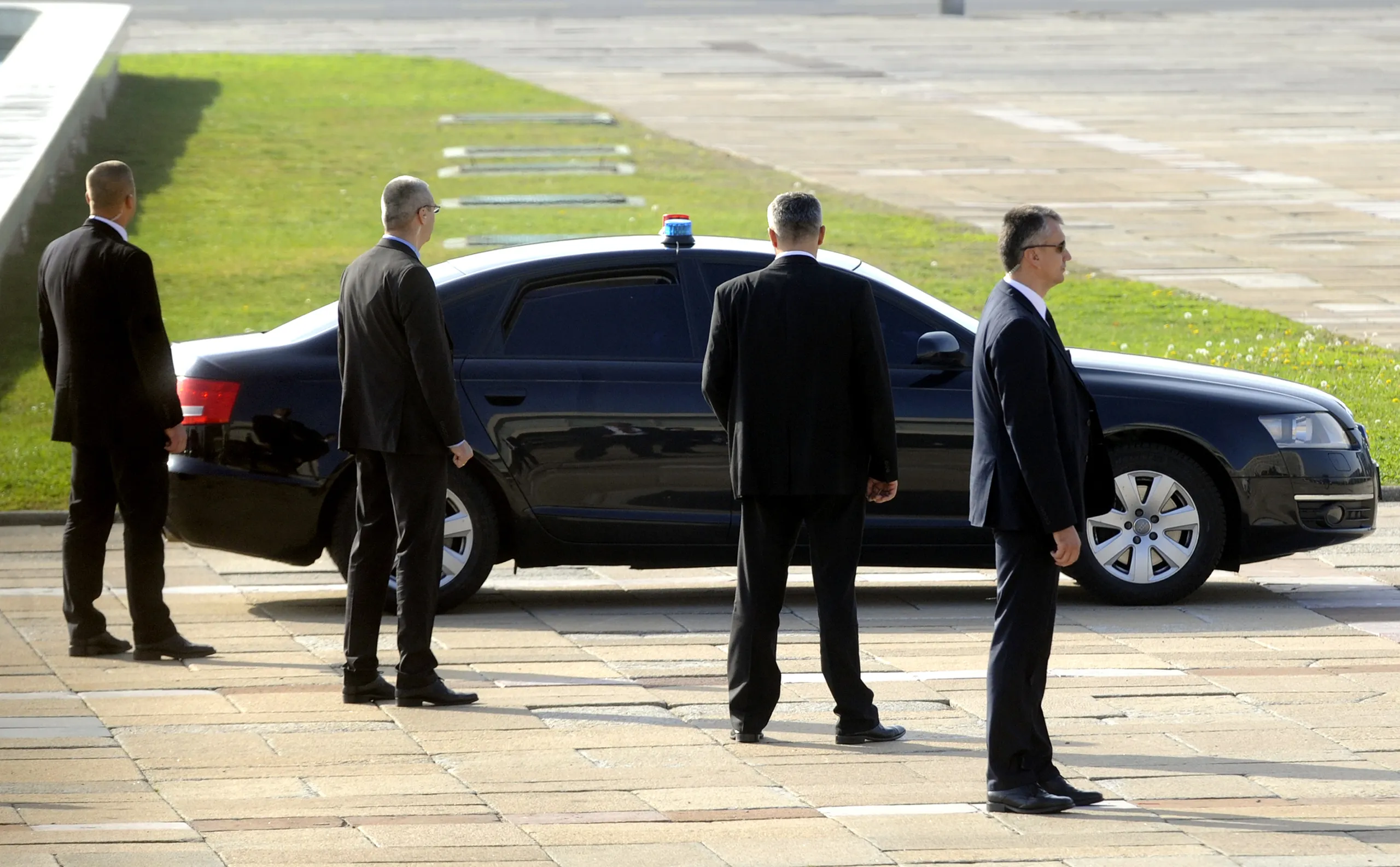
- A security-trained driver for airport transfers and inter-venue movement is the minimum appropriate measure
- A written threat assessment prior to travel covering current conditions
- Hotel selection from the established corporate circuit (Radisson Blu Upperhill, Tribe Hotel, Hemingways Nairobi, Fairmont Norfolk Hotel)
- Basic security awareness briefing for the travelling executive
For higher-risk profiles (named executives, extractive industry visits, publicly announced visits):
- Close protection officer in addition to security driver
- Advance contact with hotel security teams
- Emergency contact details for the British High Commission in Nairobi (in Gigiri)
For the specific security services available through CloseProtectionHire.com in Nairobi, see the Nairobi city page and our risk assessment for Kenya.
Frequently Asked Questions
Request a Consultation
Describe your security requirements below. All enquiries are confidential and handled by licensed consultants.
Your enquiry has been received. A security consultant will contact you within 24 hours to discuss your requirements.