Security Intelligence
Executive Security in Latin America: A Regional Guide
Close protection and executive security considerations across Latin America. Covers Brazil, Mexico, Colombia, Venezuela, Argentina, and Peru.
Travelling somewhere high-risk? Speak with a security consultant.
Latin America presents the most complex security environment for corporate travellers of any region outside active conflict zones. The region spans an enormous range of risk, from the operational normalcy of Santiago or Montevideo to the extreme conditions of Caracas or certain Mexican states, and the variation within countries is as significant as the variation between them.
This article provides a regional overview for security planners and corporate travel managers.
Regional Threat Overview
The dominant security risks across Latin America share common themes:
Kidnapping. Latin America accounts for a disproportionate share of global kidnap incidents. The region spans express kidnapping (hours to days, cash-focused), kidnap-for-ransom (days to months, negotiated), and virtual kidnapping (fraud). Mexico, Colombia, Venezuela, Brazil, and Peru all have significant kidnap histories. The risk profile has evolved: traditional guerrilla kidnapping has declined in Colombia following peace negotiations, but organised crime kidnapping has increased in Mexico and Brazil.
Violent crime and robbery. Urban violent crime in major Latin American cities (São Paulo, Rio de Janeiro, Bogota, Mexico City, Buenos Aires) targets visible wealth. Armed robbery, carjacking, and express kidnapping are risks for executives moving in private vehicles, particularly in predictable patterns.
Organised crime. Cartel activity in Mexico, gang control in Brazil’s favelas, and criminal governance in Venezuela create environments where organised criminal groups have effective territorial control over significant urban and rural areas.
Political instability. Several markets in the region experience periodic political instability that affects corporate operations: Argentina’s economic cycles create security implications; Venezuela’s collapse has created humanitarian and security crisis conditions; Bolivia and Peru have experienced recent political disruption.
Country-Level Summary
Brazil. São Paulo and Rio de Janeiro are the primary corporate destinations. Both present significant kidnap and violent crime risk for high-profile corporate principals. Armed protection teams are standard for senior executives. Rio’s favela geography creates specific operational constraints. Brasilia is relatively lower-risk as a planned city with a government-dominated population.
Mexico. Mexico City is a top-tier global business destination with an elevated security environment. Express kidnapping, carjacking, and road robbery are material risks. State-level conditions vary dramatically: some northern states near the US border are effectively under cartel control and should be avoided by corporate travellers without specialist security support.
Colombia. Bogota has transformed significantly since the peak FARC period and is now an accessible corporate destination with manageable risk for properly supported travel. Medellín has similarly improved. Rural Colombia and border regions remain high-risk. ELN activity continues in certain areas.
Venezuela. Caracas is effectively a prohibited destination for corporate travel without specialist, experienced local support. Crime rates are among the highest globally, state institutions have degraded, and basic services including healthcare are severely compromised.
Argentina. Buenos Aires is the region’s most accessible major city from a security perspective, though economic instability has elevated opportunistic crime. Executive kidnapping risk is present but lower than Brazil and Mexico.
Peru. Lima is an accessible corporate destination with manageable risk. Political instability has periodically created protest conditions in the capital. Mining and extractive sector operations in rural areas face different and more complex security conditions.
Operational Guidance
For all Latin American markets:
- Use licensed local operators with current in-country experience
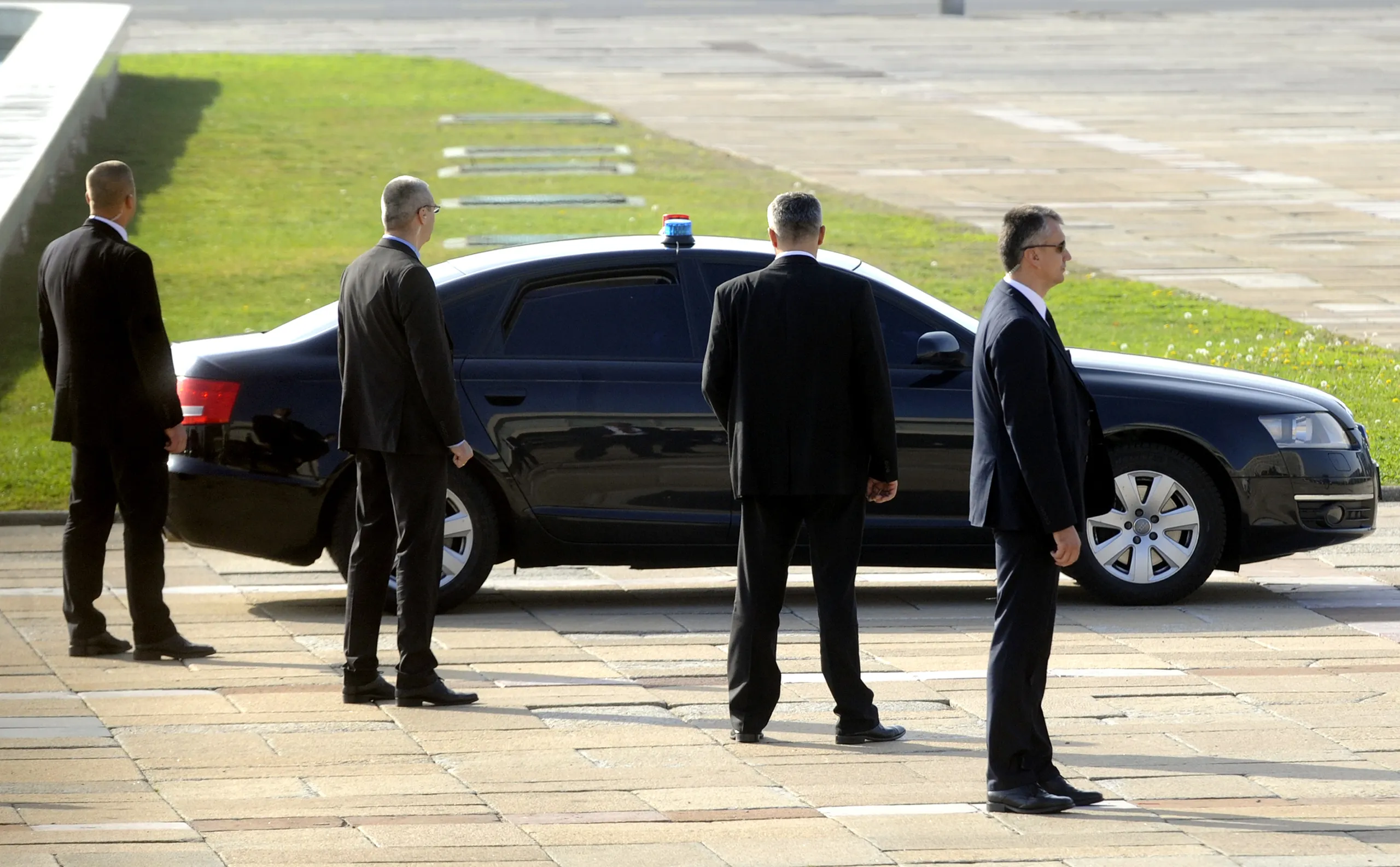
- Armoured vehicles for senior executives in Brazil, Mexico, Colombia, Venezuela, and Peru
- Avoid predictable movement patterns
- Pre-book all transport: street-hailed taxis and rideshare without vetting create unnecessary exposure
- Minimise visible wealth indicators
- Brief on express kidnapping protocols: compliance is generally the right immediate response
For close protection services in Latin America, see our executive protection and cities pages.
Frequently Asked Questions
Request a Consultation
Describe your security requirements below. All enquiries are confidential and handled by licensed consultants.
Your enquiry has been received. A security consultant will contact you within 24 hours to discuss your requirements.