Security Intelligence
Executive Protection in Tel Aviv: Operating in a Changed Security Environment
Tel Aviv is Israel's commercial capital and a major business hub. The security environment has changed materially since October 2023.
Travelling somewhere high-risk? Speak with a security consultant.
Tel Aviv is Israel’s commercial and technology capital, home to a major financial sector and a technology start-up ecosystem of international significance. It has been a consistent business destination for executives in technology, venture capital, financial services, and defence-adjacent sectors. The security planning for a Tel Aviv business visit in 2026 is materially different from what it was before October 2023.
The changed threat environment
Israel has been in an active multi-front conflict since October 2023. Tel Aviv and the Gush Dan area have experienced rocket and missile attacks from Gaza, drone and missile attacks from Hezbollah in Lebanon, and direct missile attacks from Iran. Israel’s Iron Dome and the Arrow and David’s Sling systems intercept the substantial majority of attacks; the intercept rate is high but not total.
For the FCDO, Tel Aviv is not on the advise-against list, though the travel advisory is substantially more detailed than it was pre-October 2023 and specifically covers the Red Alert app and shelter-in-place protocol. The US State Department rates Israel at Level 2 (Exercise Increased Caution) with a Level 4 (Do Not Travel) for Gaza.
The practical changes for business visitors are specific and manageable: the Red Alert (Tzeva Adom) app should be installed and running; the nearest shelter should be identified at the hotel and at each meeting venue; the shelter protocol on alert (immediately take cover in the nearest shelter or reinforced stairwell, wait two minutes after the last explosion before moving) should be known by the principal and accompanying staff; and secure transport plans should include a shelter stop protocol for alerts received during vehicle movement.
The Israeli private security framework
Private security in Israel is regulated under the Private Investigation and Private Security Services Licensing Law 5772-2012, administered by the Ministry of National Security. Security companies and individual operators must hold current ministry licences and appropriate security clearance. Foreign close protection personnel operate in Israel only in coordination with licensed Israeli security companies.
Israel has a substantial professional private security industry shaped by the country’s security requirements and the large pool of military and intelligence veterans entering the sector. EP operators in Israel typically have significant military or security service experience beyond the minimum licensing requirements.
What professional EP looks like in Tel Aviv in 2026
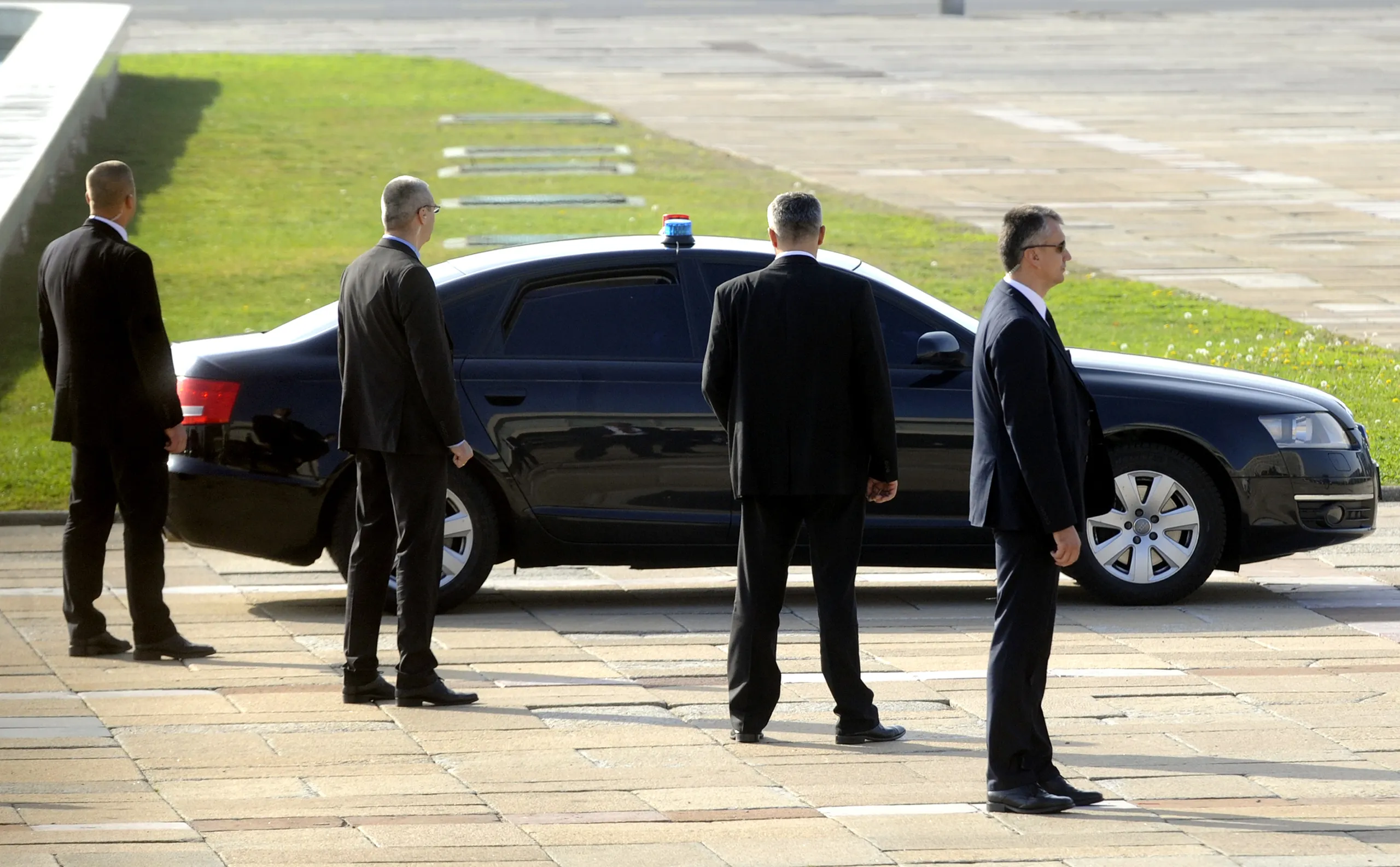
A professional Tel Aviv EP engagement in 2026 includes: pre-travel threat assessment covering the current multi-front conflict status and any specific alerts; alert-app and shelter-in-place briefing for principal and accompanying staff; venue advance work that identifies the shelter point at each location on the itinerary; secure transport with shelter protocol; a licensed Israeli security partner for the formal CP function; and operations controller coverage throughout.
For complementary services see our Tel Aviv city page and our executive protection service overview.
Frequently Asked Questions
Request a Consultation
Describe your security requirements below. All enquiries are confidential and handled by licensed consultants.
Your enquiry has been received. A security consultant will contact you within 24 hours to discuss your requirements.