Security Intelligence
Executive Protection Cost in Johannesburg: What to Budget and Why
What does executive protection cost in Johannesburg? Daily rates, the variables that move the price, and what corners get cut when you pay below market.
Travelling somewhere high-risk? Speak with a security consultant.
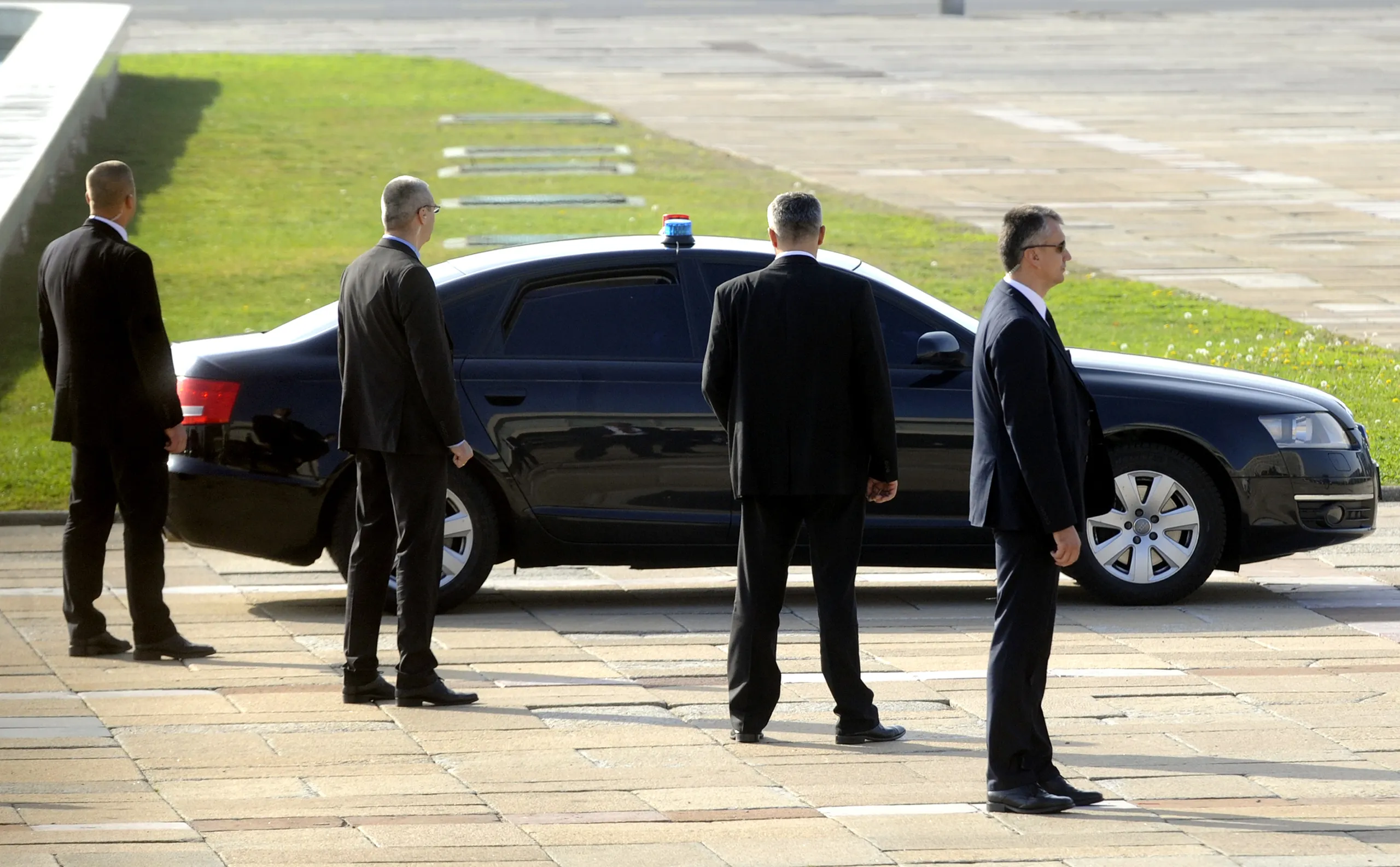
The cheapest EP in Johannesburg is not a bargain. It is a company that has cut the advance, sent a guard with a CP certificate rather than an experienced close protection officer, or put your principal in a standard saloon rather than a vehicle with the correct specification for the environment.
Johannesburg has a rate of aggravated robbery and vehicle-related crime that is among the highest of any major business city globally. According to SAPS crime statistics published for Q3 2025, Gauteng Province recorded over 47,000 incidents of aggravated robbery in a twelve-month period. Corporate travellers to Sandton and the CBD are not immune, and professional vehicle-following attacks on business visitors have been documented in multiple OSAC (Overseas Security Advisory Council) advisories on South Africa.
The market for executive protection in South Africa is mature and competitive, which is useful. It also means the price range spans from credible to dangerous, and knowing which side of that line a quote sits on requires asking the right questions.
The Variables That Drive the Price
Threat profile of the principal. An executive making routine corporate calls in Sandton with no known adversaries is a lower-risk engagement than a principal with a public profile, active threats, or a visit that includes locations outside the relative safety of the northern suburbs. Risk drives specification, and specification drives cost.
Team size. A single close protection officer is the minimum and the most common configuration for standard corporate visits. Most professional operators recommend two for any engagement involving movement between multiple locations or evening activity, because a single-officer detail has no effective counter-surveillance capability.
Armed versus unarmed. Close protection in Johannesburg is almost always armed. The threat environment warrants it, and experienced principals expect it. Armed authority requires PSIRA registration, a company firearms licence, and competency certification, all of which add to operating cost.
Armoured transport. This is often the biggest variable. A standard secure vehicle (a properly configured, unmarked saloon with a trained driver) differs from a B4 or B6 armoured vehicle in both cost and specification. For principals visiting high-risk areas outside the Sandton corridor, or travelling at night, armoured transport is the appropriate call.
Advance work. Pre-arrival route reconnaissance, venue assessment, and hospital identification are not optional extras. They are the foundation of any effective close protection detail. Companies that absorb these costs into a single daily rate are either not doing them properly or are deploying very junior officers who cannot conduct them to a professional standard.
Duration and notice period. Short-notice engagements cost more. A 72-hour request compresses the advance planning, requires immediate officer availability, and limits vehicle options.
What Below-Market Quotes Usually Indicate
When a quote comes in significantly below the ranges above, the most common explanations are:
- Officers hold PSIRA registration but have guarding rather than close protection experience
- No advance reconnaissance is included (or it is performed by the same officer who is also running the detail)
- The vehicle is a standard saloon rather than a properly configured CP vehicle
- Firearms authority is not confirmed for the specific officer assigned (meaning they may not legally carry on your detail)
- Insurance coverage is inadequate or the certificates predate the current policy year
None of these are hypothetical. They are patterns that appear regularly in incident reviews when corporate security directors analyse what went wrong after an event.
Getting Comparable Quotes
When requesting quotes, specify the same scope for each provider:
- Number of principals, travel dates, itinerary
- Requirement for armed or unarmed officers (armed is standard for Johannesburg)
- Vehicle type required (standard secure vehicle or armoured, with protection level if armoured)
- Whether an advance is required before the principal arrives
- Insurance requirements (professional indemnity and public liability minimums)
A quote that does not address all of these points is not a complete quote. Comparing an all-in scope against a partial scope wastes time and produces misleading cost comparisons.
Internal Links
For the broader context on Johannesburg’s security environment, see the Johannesburg bodyguard hire page and the executive protection service overview.
Frequently Asked Questions
Request a Consultation
Describe your security requirements below. All enquiries are confidential and handled by licensed consultants.
Your enquiry has been received. A security consultant will contact you within 24 hours to discuss your requirements.